
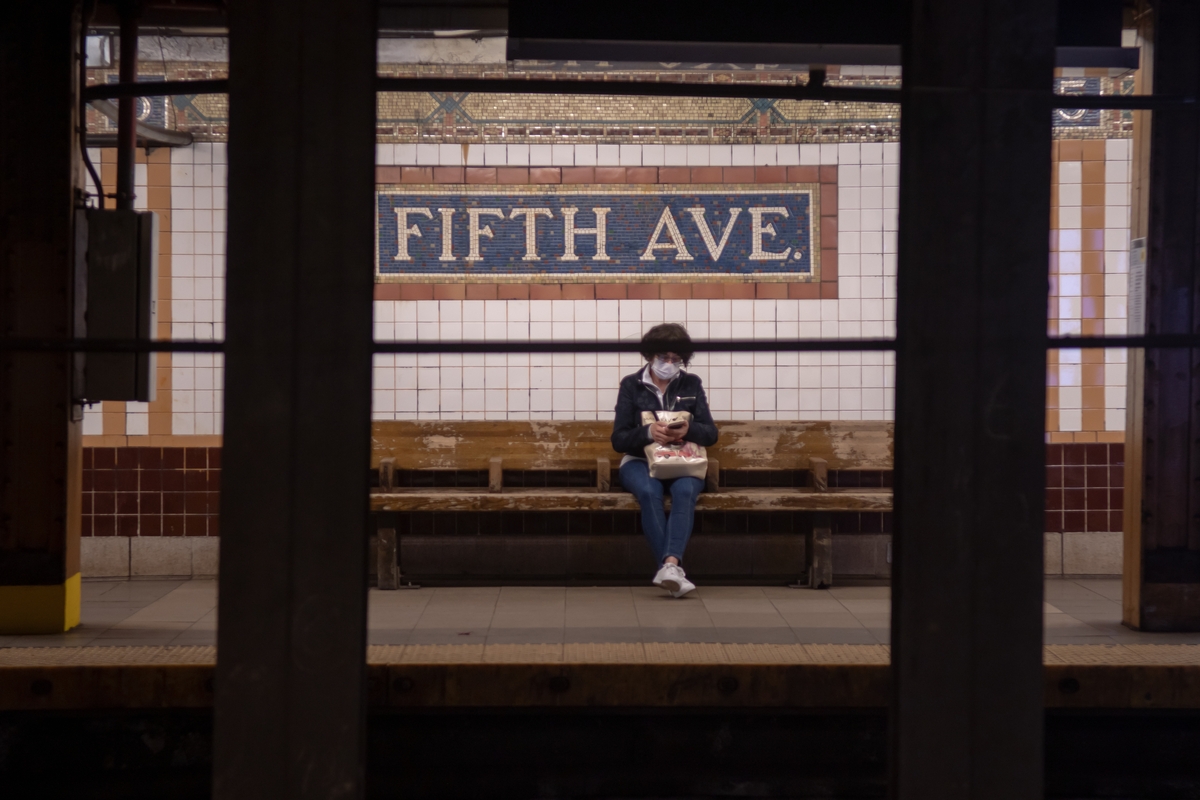
Paparacy / Shutterstock
According to recent state data, COVID-related hospitalizations are officially on the rise across the five boroughs.
Between August 30 and September 5, the city recorded more than 500 hospital admissions—the highest weekly count we’ve seen since early October of last year.
What the latest NYC health data shows
While overall COVID levels remain lower than in years past, confirmed cases and wastewater surveillance both show a clear upward trend. Health officials also unfortunately reported 12 COVID-related deaths during the first week of September.
On top of that, city data shows that emergency room visits for RSV (respiratory syncytial virus) are beginning to climb, while flu cases currently remain flat.
Who should get the new ‘updated’ vaccines?
To keep the city healthy, state and city health officials are heavily endorsing a comprehensive slate of vaccine recommendations backed by major medical groups like the American Academy of Pediatrics.
While the U.S. Food and Drug Administration (FDA) approved updated COVID vaccines in late August with a narrow recommendation for people over 65 or those with high-risk health conditions, New York City’s guidance is much broader.
Here is what local health experts are currently recommending for New Yorkers:
All adults: Broadly encouraged to get the updated COVID-19 shots, which explicitly includes people who are pregnant.
Young children: Vaccination is recommended for all children between 6 months and 2 years old, plus any older children with high-risk health conditions or whose parents simply want them vaccinated.
Flu and RSV: An annual flu shot is recommended for everyone over 6 months old. RSV vaccinations are advised for older adults and infants.
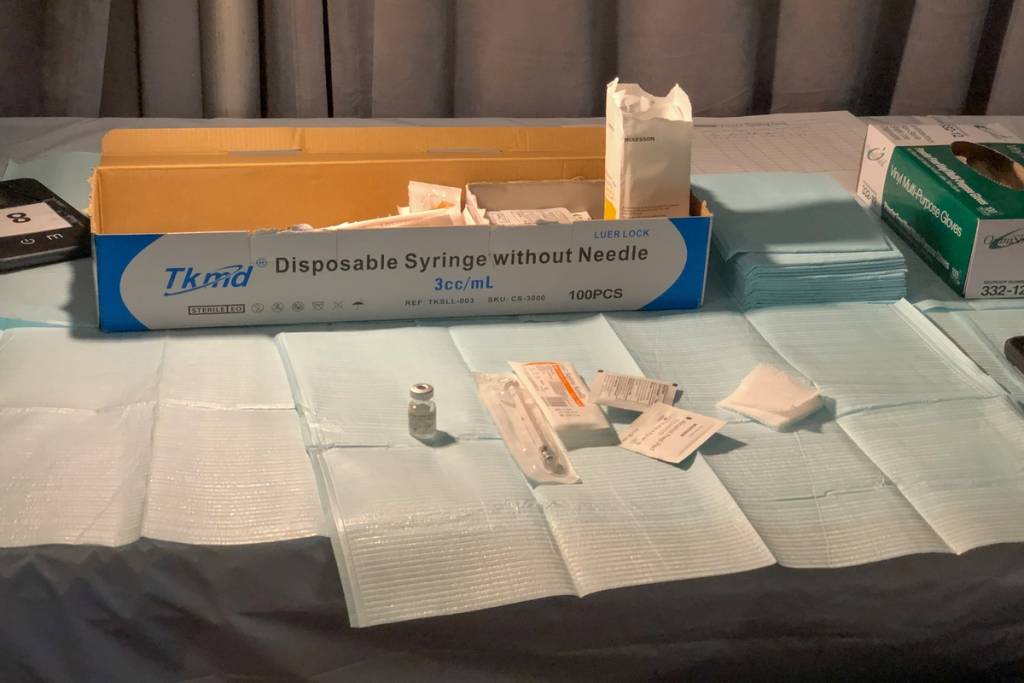 Promenade Pix / Shutterstock
Where to find your shots (and skip the red tape)
Booking an appointment is also relatively hurdle-free at major pharmacies:
CVS: The online scheduler currently does not ask patients to verify underlying medical conditions.
Walgreens: While their system asks patients to self-attest that they are “at high risk,” they are not requiring a prescription or physical proof to book.
If you are looking to get vaccinated ahead of the fall rush, New Yorkers can easily find the closest clinic or pharmacy by using the city’s official map of vaccine providers.