
ROCHESTER, N.Y. — With the November midterm elections less than two months away, Democrats are putting President Donald Trump’s signature tax and spending law back at the center of the political debate over affordability, while New York Republicans argue the state’s own policies are driving up costs.
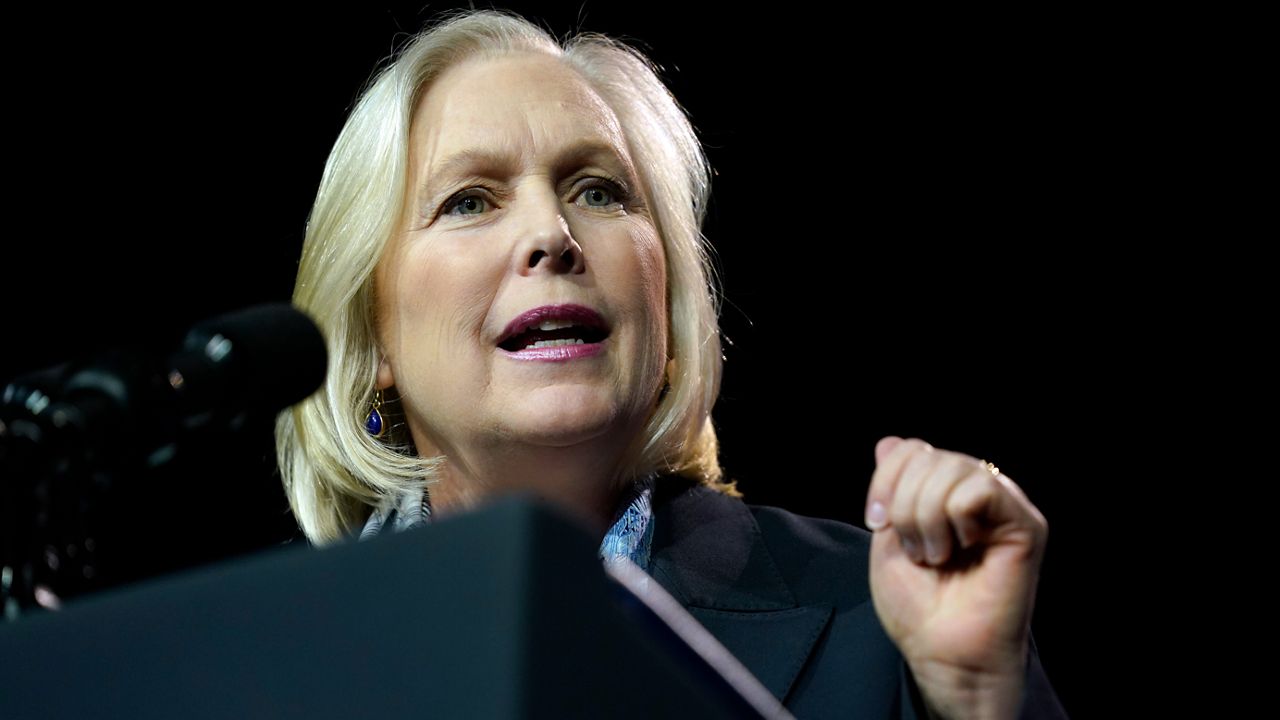
U.S. Sen. Kirsten Gillibrand joined the push Monday in Rochester, highlighting changes to the Supplemental Nutrition Assistance Program included in the One Big Beautiful Bill Act.
Beginning Oct. 1, the federal government’s share of SNAP administrative costs is scheduled to fall from 50% to 25%, leaving states and local governments responsible for 75% of those expenses. New York counties are expected to face about $168 million in additional annual costs, according to figures cited by Gillibrand. Monroe County could be responsible for roughly $3 million.
Gillibrand and other Democrats have argued the law reduces federal support for programs relied on by lower- and middle-income Americans while extending and expanding tax cuts.
Republicans have defended the law as a way to reduce taxes, encourage work and tighten eligibility requirements for government assistance. The legislation also includes tax provisions involving tips, overtime pay and the child tax credit.
The debate comes as both parties increasingly focus their midterm messaging on the cost of living.
State Sen. George Borrello, a Republican representing portions of Western New York and the Southern Tier, pushed back on Democrats’ criticism of Washington, arguing New York’s affordability problems are tied heavily to policies coming out of Albany, including the state’s energy policies.
“The real problem when it comes to affordability here in New York state has everything to do with bad policy out of Albany, particularly bad energy policy,” Borrello said.
Gillibrand argued the federal law will leave New Yorkers with fewer resources for basic needs.
“Make no mistake, this decision will result in more New Yorkers going hungry,” Gillibrand said.
The competing messages reflect a broader political fight over which level of government bears responsibility for rising costs and what policies will provide relief to voters.
Gillibrand and other Democrats are increasingly pointing to the One Big Beautiful Bill Act as they make their case ahead of the midterm elections, while Republicans are seeking to keep attention on state taxes, utility bills and other costs they blame on policies enacted in Albany.
That divide is expected to remain a central issue as both parties make their case to New York voters ahead of Election Day.