
The Manhattan judge overseeing a case seeking to overturn the Rent Guidelines Board’s (RGB) June decision to freeze the rent on approximately one million stabilized apartments ruled Wednesday that he needed to see communications between City Hall personnel and the rent board’s decision-makers.
The ruling represented a small win for the landlords who brought the case forward, and allege the board’s rent freeze approval for one- and two-year leases came thanks to undue influence from Mayor Zohran Mamdani. The suing landlords claim the mayor “put his thumb on the scale” and influenced RGB members to ignore crucial data showing landlords were experiencing financial hardship.
City Hall, which has denied the allegations, did not respond to a request for comment. In court, city lawyers have maintained there was no undue influence on the RGB and that its members took all of the required data into account when making their decision.
A demand to see such communications, known as discovery, is rarely granted in cases where a person sues to challenge government decisions, called Article 78 proceedings. However, Manhattan Supreme Court Judge Brendan Lantry wrote Wednesday that he felt the allegations brought by the landlords were concerning enough to warrant an exception.
“The allegations set forth by petitioners-plaintiffs have raised significant concern to this court regarding the lawfulness of the Board’s procedure in determining [the rent freeze],” Lantry wrote. “The court acknowledges that discovery in a special proceeding is rare. It is also rare (in fact, it is unprecedented) for a candidate for Mayor of New York City to guarantee that the Board, an entity that the parties concede is independent from the Mayor’s Office, will freeze the rent upon his election to office.”
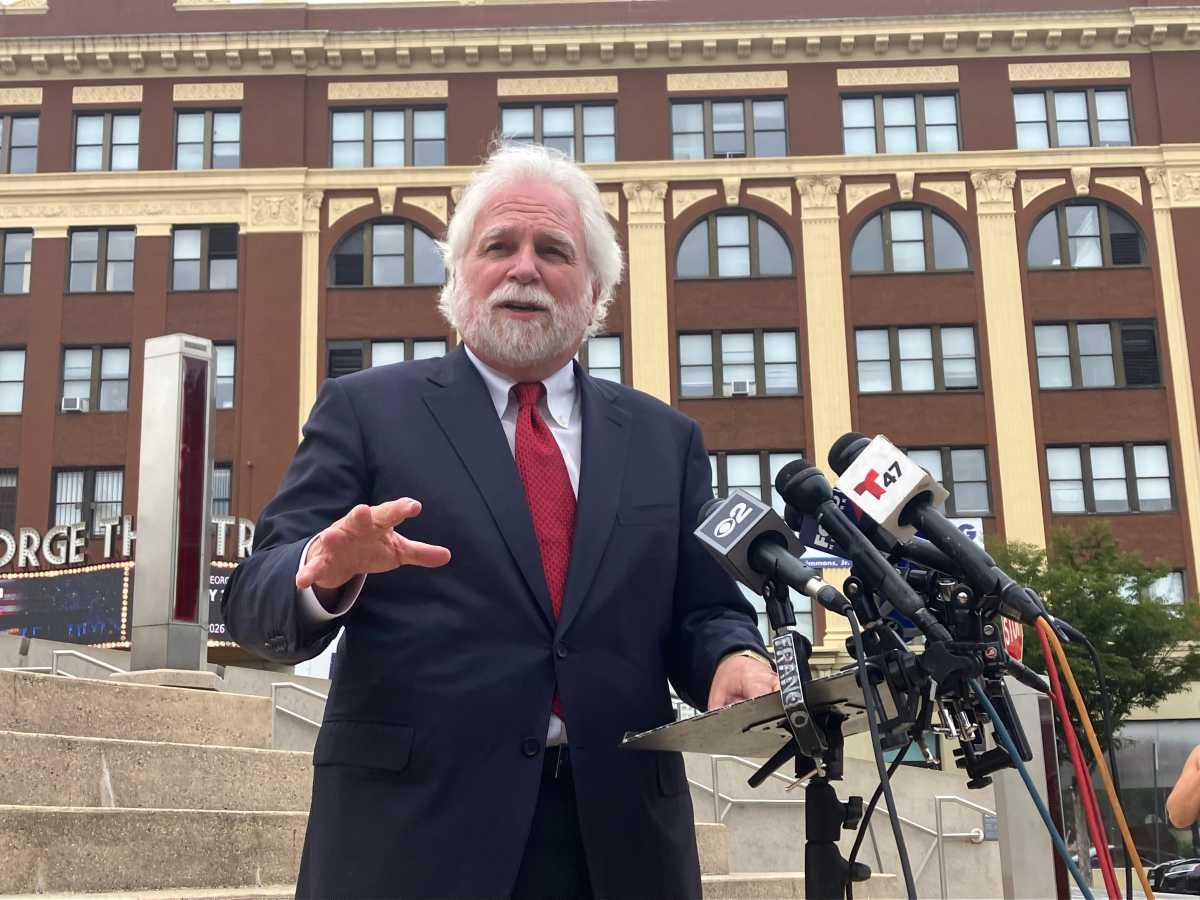 Randy Mastro, the attorney for homeowners suing over the pied-a-terre tax and the former first deputy mayor under Eric Adams, speaks outside Staten Island Supreme Court. He also brought the lawsuit against the city’s Rent Guidelines Board over the rent freeze.Photo by Isabella Gallo
Lantry ruled the city will have to turn over all written communications between any personnel from the Mayor’s Office — including the Mayor’s Office of Mass Engagement, the Mayor’s Office to Protect Tenants, the Mayor’s Office of Management and Budget and Mamdani himself — and any personnel from the Rent Guidelines Board from Jan. 1 to June 25, the day the board voted to freeze the rent.
In his decision, Lantry cited a campaign ad Mamdani posted last year where the now-mayor said he “guaranteed” to freeze the rent “every year” he was in office, as what made him want to see the communications between City Hall and the RGB.
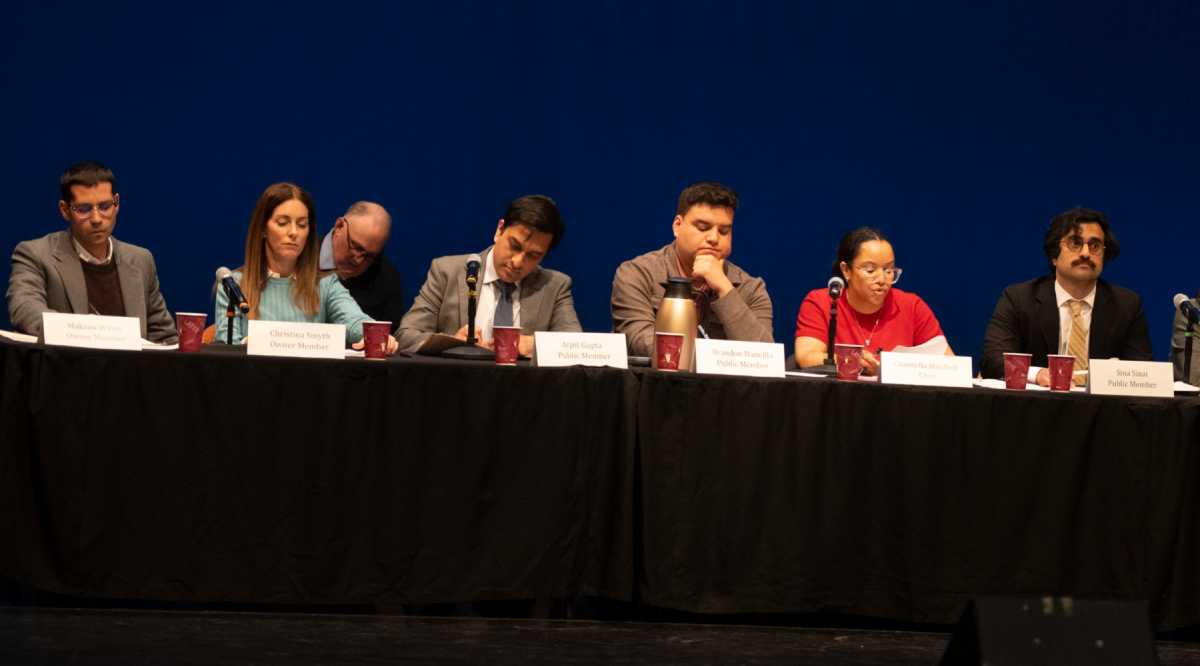
He also noted former board member Christina Smyth, who resigned in protest before the RGB’s June vote, saying she believed the board had traded its status as a “fact-finding body” for one that “starts with an answer and vibe codes its way backward to justify it.”
Arpit Gupta, the only board member to vote against the rent freeze and an Adams appointee, made a statement after the vote saying he didn’t believe Mamdani had influenced the board’s decision – a rarity, he noted, accusing past mayors of interfering.
Lantry’s request for the communications between City Hall and the RGB indicates he’s weighing the landlord’s allegation that Mamdani unduly influenced the board and their challenge to the rent freeze seriously.
Legal experts from New York Law School, the Legal Aid Society and landlord-aligned firms have told amNewYork they believed the lawsuit brought by the group of landlords was “weak” and found the argument that Mamdani unduly influenced the RGB to freeze the rent unconvincing.
That’s partially because the landlords bringing the case can’t win simply by arguing that Mamdani influenced the RGB’s decision, those lawyers and lawyers for the city say. They’ll have to convince the judge that there’s no rational basis in the record of facts and data considered by the RGB to freeze the rent – an incredibly high bar, the attorneys said. There are likely many decisions that have a rational basis in the record the RGB considered, they said, and freezing the rent is one of them.
In an early September court hearing, Corporation Counsel Steven Banks and RGB Assistant Corporation Counsel Rachel Moston pointed to thousands of pages of studies and data in the public record that board members testified to taking into account when making their decision.
“There is no basis in the record to show there is anything other than proper and lawful proceedings that took place,” Moston said. “It cannot be said looking at the record … that the board did not consider all of the factors.”
The city said the board did take rising costs for landlords into account, but that it was only one of the many factors the board must consider. 50% of the city’s tenants in rent-stabilized units were rent-burdened and 30% were severely rent-burdened – meaning they spend more than 30% or 50% of their income on rent, respectively – and 40% of the lowest-income tenants had seen a decrease in their wages, all data the RGB took into account.
“It’s not easy enough to just say, ‘Owners’ costs are up and therefore rents have to go up too,’” Moston told the judge. “The board has to consider all factors.”
Randy Mastro, the landlord’s attorney who previously served as first deputy mayor in the Adams administration, said he and his clients were “gratified” by the judge’s decision to grant discovery.
“This targeted discovery goes to the heart of our position that this was a sham process with a predetermined outcome, and communications between the Mayor’s Office and the Rent Guidelines Board, which all parties admitted is supposed to be independent of the Mayor’s Office, should show that,” Mastro said.
The parties are due back in court on Sept. 21 for a conference over the demanded communications record.