
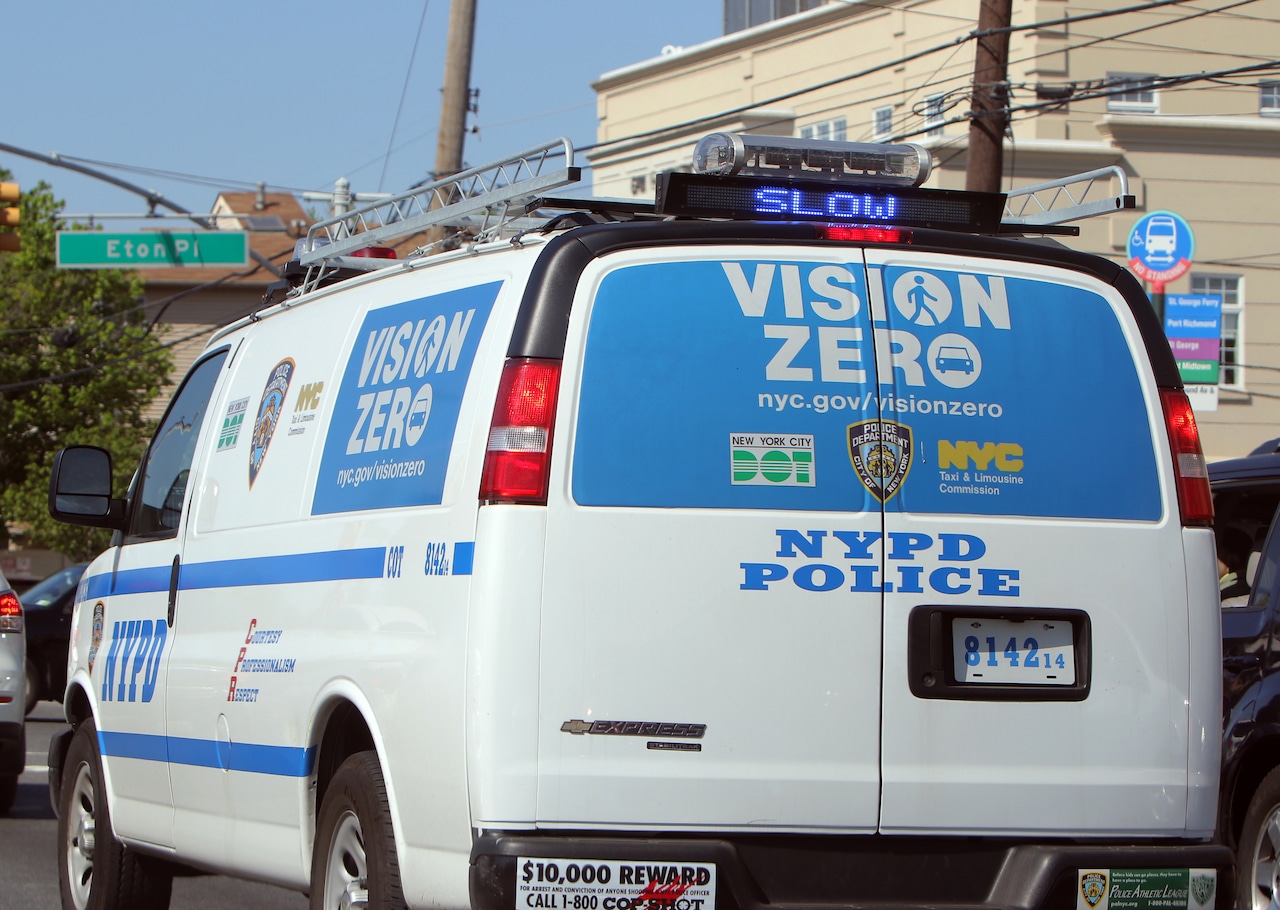
UPDATE: ‘Staten Island isn’t Manhattan’: Leaders wonder how Mamdani Vision Zero reboot will fit borough
**
STATEN ISLAND, N.Y. — Staten Islanders could see more traffic-reducing projects, redesigned intersections and tougher enforcement against repeat speeders under Mayor Zohran Mamdani’s newly unveiled “Vision Zero Reimagined” plan.
The 10-year blueprint is aimed at eliminating traffic deaths and serious injuries across New York City.
The initiative includes more than 100 policy commitments, from renovating dangerous roadways to expanding speed enforcement and pedestrian safety measures.
“We should not have to wait for another family to lose a loved one before we make a street safer. We are committed to building safe streets before tragedy — not because of it,” said Mamdani. “Safety is a right for every New Yorker, no matter how you travel, where you are going or what neighborhood you call home.”
Vision Zero debuted in 2014 under former Mayor Bill de Blasio, and was modeled after international programs to decrease traffic deaths and accidents. The city has stated that traffic deaths are down 30% since the program was first launched.
Because Staten Island is the city’s most car-dependent borough, Vision Zero projects have often sparked debate among its residents and local elected officials.
Tougher crackdown on reckless drivers
One of the plan’s central goals is removing dangerous drivers from city streets.
According to the administration, a small group of motorists with histories of speeding, red-light violations and other reckless behavior account for a disproportionate share of traffic deaths.
“Vehicles that receive more than 16 speed camera violations in a year are twice as likely to be involved in a crash that causes severe injury or death. 41 percent of all traffic fatalities involve a driver without a valid license, with a prior suspension or with multiple convictions,” the plan reads.
Under the proposal, the city would strengthen enforcement against repeat offenders through expanded automated enforcement, stricter license restoration requirements and a new Super Speeder program enabled by changes to state law. The program authorizes the placement of speed limiters in cars for drivers who have 16 or more violations in a year.
The administration also plans to continue targeting vehicles with fraudulent license plates, commonly known as ghost plates.
New rules for e-bikes and mopeds
As e-bikes and scooters become increasingly common throughout the five boroughs, the city is looking to establish what it calls a safer and more enforceable framework.
The plan calls for stronger safety standards for e-bikes, expanded rider education and enforcement against illegal or uncertified devices. The administration also intends to hold delivery platforms more accountable for unsafe practices while continuing to promote micromobility as an alternative to car travel.
The issue has generated growing discussion on Staten Island, where residents have raised concerns about e-bike riders operating on sidewalks and in busy commercial districts.
Encouraging alternatives to driving
The plan also seeks to reduce reliance on private automobiles by making walking, public transportation and cycling more accessible.
Among the initiatives are efforts to improve bus service, expand protected bike lane networks and increase access to bike-share and e-scooter programs.
“The City will continue shifting travel away from private automobiles by making safer options — walking, transit, micromobility and shared vehicles — more affordable, reliable and convenient,” the plan reads. “This includes building a faster, more accessible bus system, expanding protected and low-stress cycling networks and lowering the cost and increasing the accessibility of bike and e-scooter share.”
Those proposals may face particular scrutiny on Staten Island, where public transportation options remain more limited and difficult to navigate than in other boroughs.
Addressing oversized vehicles
Another goal focuses on the growing presence of larger vehicles on city streets.
“Larger and heavier vehicles pose growing risks on New York City streets, accounting for a disproportionate share of pedestrian fatalities while increasing crash severity, congestion and pressure on limited curb space,” the plan states.
As part of the plan, the city will advocate for stronger vehicle safety standards, safer truck designs and a shift toward smaller vehicles where possible.
The city also hopes to move more freight through rail and waterborne transportation networks.
Redesigning dangerous streets and intersections
Perhaps the most visible changes could come through the city’s commitment to expanding safety-focused street designs.
The plan calls for completing redesigns on untreated Vision Zero Priority Corridors over the next three years, installing hardened daylighting or similar treatments at a minimum of 1,000 intersections annually and expanding implementation of Sammy’s Law, which allows the city to lower speed limits on local streets.
Future projects could potentially affect some of Staten Island’s busiest and most heavily traveled roadways, though city officials have not yet identified which borough-specific corridors would be targeted.
Expanding education and enforcement
Beyond infrastructure improvements, the city plans to continue emphasizing education.
Officials say the effort will include expanded automated enforcement, stronger registration requirements and outreach campaigns aimed at improving traffic safety awareness among drivers, cyclists and pedestrians.
The city also plans to integrate Vision Zero concepts into public school curricula and increase outreach to older adults, who are among the most vulnerable users of city streets.
Using data and technology
The administration is also placing greater emphasis on technology and data analysis to guide future safety investments.
Under the plan, the city will create a centralized Vision Zero data warehouse to better identify crash patterns, understand how people move throughout the city and determine where resources can have the greatest impact.
“Data-driven research has been central to Vision Zero’s success, allowing the City to focus limited resources on interventions that save the most lives,” the plan reads.
Improving safety in city-owned vehicles
The final goal focuses on New York City’s municipal fleet.
The administration plans to expand the use of technologies such as automatic emergency braking, Intelligent Speed Assistance, improved truck visibility features and enhanced driver training.
Officials say the investments are intended to make city-owned and city-contracted vehicles among the safest in the nation while continuing to reduce crashes involving municipal fleets.