
Credit: Far Out / Christopher Hopper / Elektra Records
Mon 21 September 2026 9:32, UK
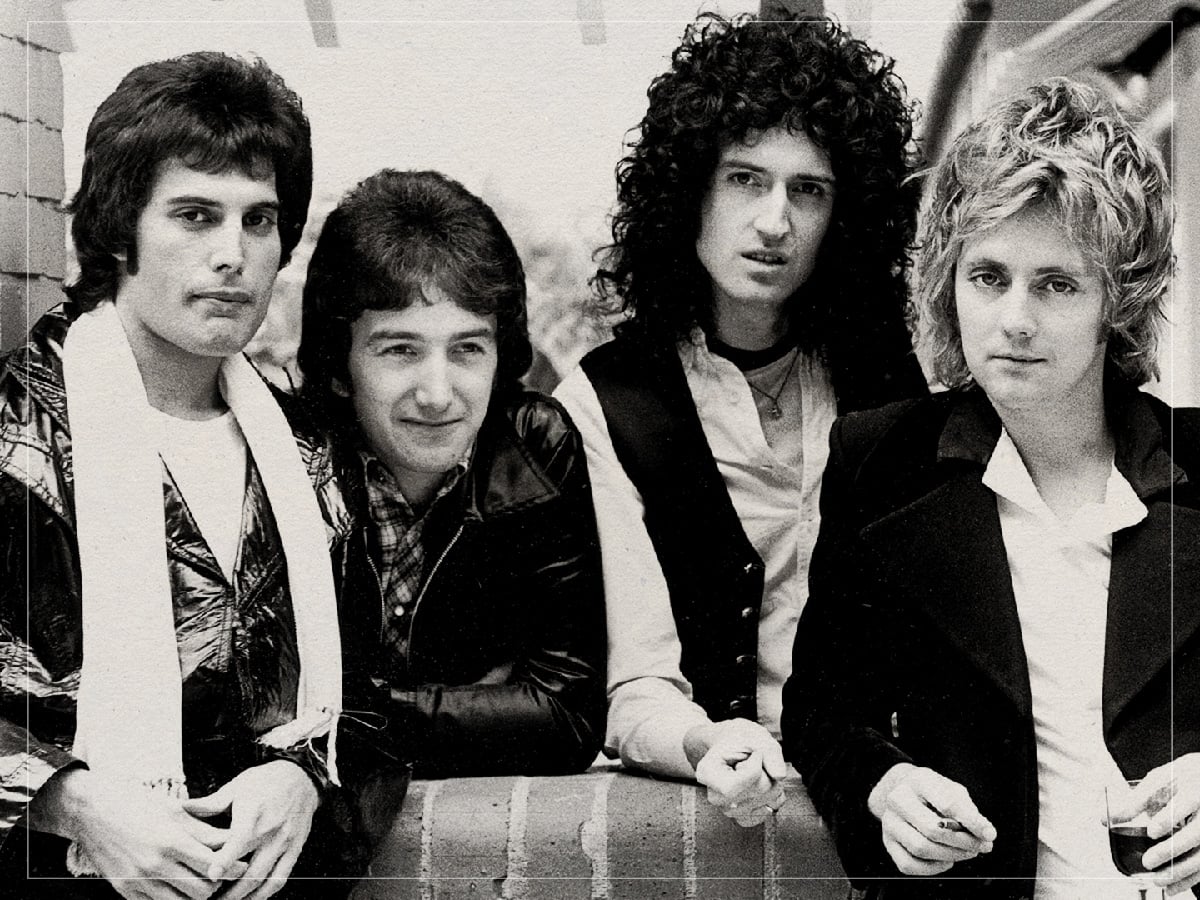
With ‘Bohemian Rhapsody’, Queen successfully created a song transcending music, language barriers and generations. Not only is it the most famous track from their acclaimed back catalogue, but it single-handedly redefined pop music, breaking away from all the traditional blueprints and taking on a life they could never have anticipated.
To provide context to the success of ‘Bohemian Rhapsody’, the track has sold more than ten million copies in the United States alone. Furthermore, in the United Kingdom, the single remains the third best-selling song in history, shifting over 2.6 million units. It has also been streamed close to 2.4 billion times on Spotify, founded decades after ‘Bohemian Rhapsody’ became an international hit.
Although Queen have a host of beloved songs in their arsenal, the fame of ‘Bohemian Rhapsody‘ is a cut above the rest. While no artist, Queen included, would be frustrated at one of their creations selling millions of copies, guitarist Brian May would have liked for the love to have been shared with some of their lesser-known songs.
‘Bohemian Rhapsody’ appeared on the band’s 1975 album, A Night At The Opera, which included ‘I’m In Love With My Car’ and ‘You’re My Best Friend’. While the entire record is cherished in the Queen community, May is particularly fond of ‘The Prophet Song’, which he believes is “the antithesis” to their most well-known track.
Written by May, ‘The Prophet’s Song’ was hardly lacking in ambition. Stretching beyond eight minutes, it moved between acoustic passages, heavy riffs and an elaborate section in which Mercury’s voice multiplied into a disorientating canon. Its apocalyptic lyrics were inspired by May’s dream of a great flood, giving the song a darker and more ominous atmosphere than its famous album mate.
 Credit: Raph Pour-Hashemi
Queen threw just as many of their defining qualities into the recording, but without the immediate theatrical hook of ‘Bohemian Rhapsody’, it remained tucked away for listeners willing to explore beyond the singles.
During a conversation with Vulture, May said: “There’s a million things I wish, in a sense, had gotten a lot of attention. I suppose ‘The Prophet’s Song’ prevails the most. It was the antithesis of ‘Bohemian Rhapsody’ and on the same album. We always thought they were both major works, but ‘Bohemian Rhapsody’ got picked up by radio, and it became the flagship song. Only a few people who are very into the depths of Queen through the years are really aware of what ‘The Prophet’s Song’ means.”
He continued: “I’m not going to say I’m unhappy because it’s okay. It really is. The people who are into that stuff are very into it. They understand it, and they get it. They would regard ‘The Prophet’s Song’ as much of an encyclopedia of Queen as ‘Bohemian Rhapsody’ was on the other side. That isn’t anywhere near a billion streams. It just sits on an album there, and people who really want to get into Queen are aware of what that was and what it is.”
May’s description of the two songs as opposites makes sense, even though they were built with many of the same tools. Both abandoned conventional structures, relied heavily on layered vocals and attempted to cram several sides of Queen into one sprawling composition. Where Mercury made those shifts feel playful and operatic, however, May used them to create tension and unease.
When in the studio, artists can rarely successfully predict what will become a hit, and on paper, ‘Bohemian Rhapsody’ was destined to become a rarity, beloved by their hardcore fanbase. Essentially, as Freddie Mercury once revealed, it’s three songs combined into one, which isn’t a typical formula for a pop song. ‘The Prophet Song’ is equally unconventional, but ultimately, there was only room for one to receive radio play and sell millions of copies. However, instead, it has to settle for cult classic status rather than a best-seller.
