
BUFFALO, N.Y. — When it comes to this flu season, or any flu season, it’s often fair to say expect the unexpected.
While there is no crystal ball to predict the severity of the season, there are precautions people can take to reduce the risk of getting sick.
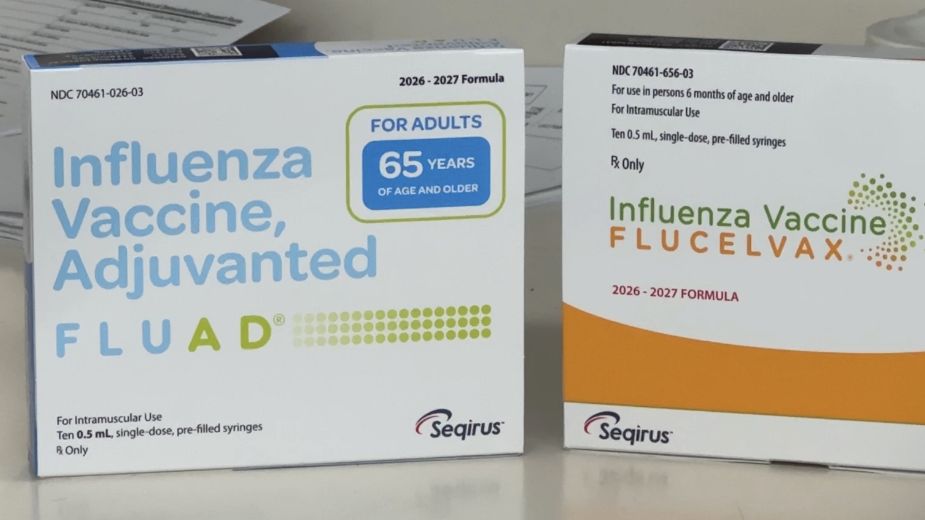
Bradley Arthur has been a second-generation managing partner at Black Rock Pharmacy for 40 years and has an ample supply of the flu vaccine, one for adults 65 and older and another for the general population.
He says while patients can build resistance within a week to 10 days, it does not guarantee they won’t get sick.
“It’s another layer of protection,” said Arthur. “The vaccine give us a higher predictability of coverage against a flu strain any given year.”
“We’re entering the primetime to get your flu vaccine. Flu is coming, so it would be critical to get vaccinated no later than Halloween,” said Dr. Thomas Russo, professor, chief of infectious diseases, VA Hospital of Western New York
Russo says last year’s flu season was met with a new variant that people did not have optimal immunity against.
“Fingers crossed, we’ve had two bad flu seasons back-to-back,” he said. “So, I’m hoping that some of the immunity that we built up from last season will afford the protection to keep flu cases down to a minimum.”
State health department data from last year shows confirmed influenza cases below 10,000 in October and slightly above 20,000 in November, before a spike of more than 70,000 cases in December, then falling off again January through May.
And while flu activity varies season to season, early indications show this one could be milder based on data coming from Australia.
“Influenza is a potential lethal infection that needs to be taken seriously,” said Russo. “Our vaccine isn’t perfect in preventing infection, but what it’s really good at is decreasing the likelihood that you’ll develop severe disease, land in the hospital and have a bad outcome.”
Which is why Russo and Arthur agree vaccinations remain an important way to reduce the risk of serious complications associated with the flu.
“Absolutely essential part of your overall healthcare strategy. It’s a good additional tool in your arsenal to help keep you healthy through the flu season,” said Arthur.
Russo recommends the vaccine for those six months and older, people at high risk for disease, pregnant women, those with underlying conditions and people living in group settings. But, as always, people should consult their doctor first.
He also urges those 65 and older to get the vaccination especially designed for them, as the immune system responds better to those as people get older.
Russo also says there is another new vaccine approved for people 50 and older that could be more effective than the traditional flu vaccine.