
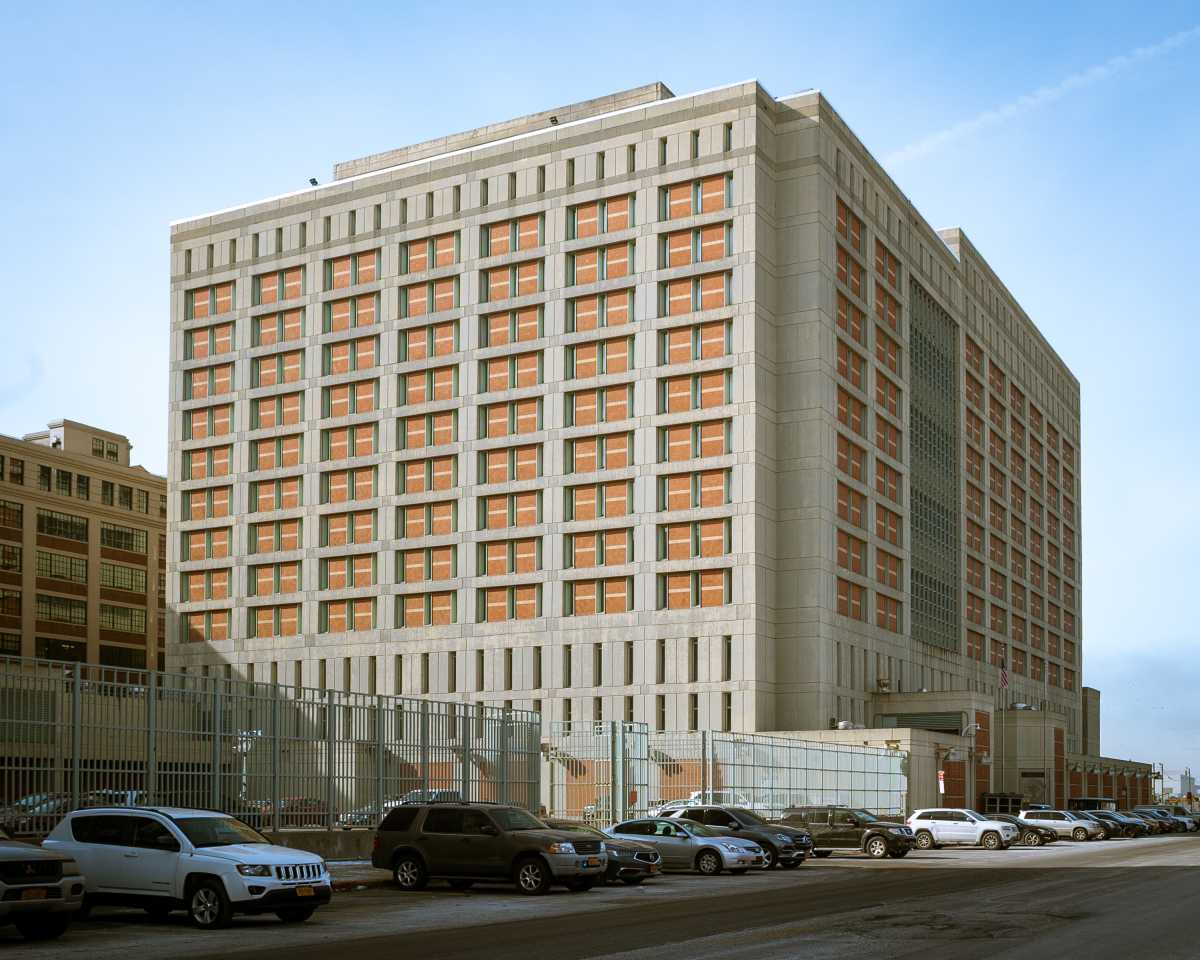
For years, the Metropolitan Detention Center (MDC) has been a troubled neighbor in Sunset Park, with a record of violence, staff shortages, prolonged lockdowns and other dangerous conditions behind its walls. Those conditions were the focus of a Sept. 19 town hall in Bay Ridge, where advocates shared findings from a three-month research project on life inside the federal jail.
Plagued by serious issues, including staff shortages, stabbings, killings, limited access to health care and prolonged lockdowns, the facility — a Federal Bureau of Prisons (BOP) pretrial detention center and the only federal jail in New York City — drew national outrage after a power outage left prisoners without heat, hot food, proper sanitation or medical services in the dead of winter.
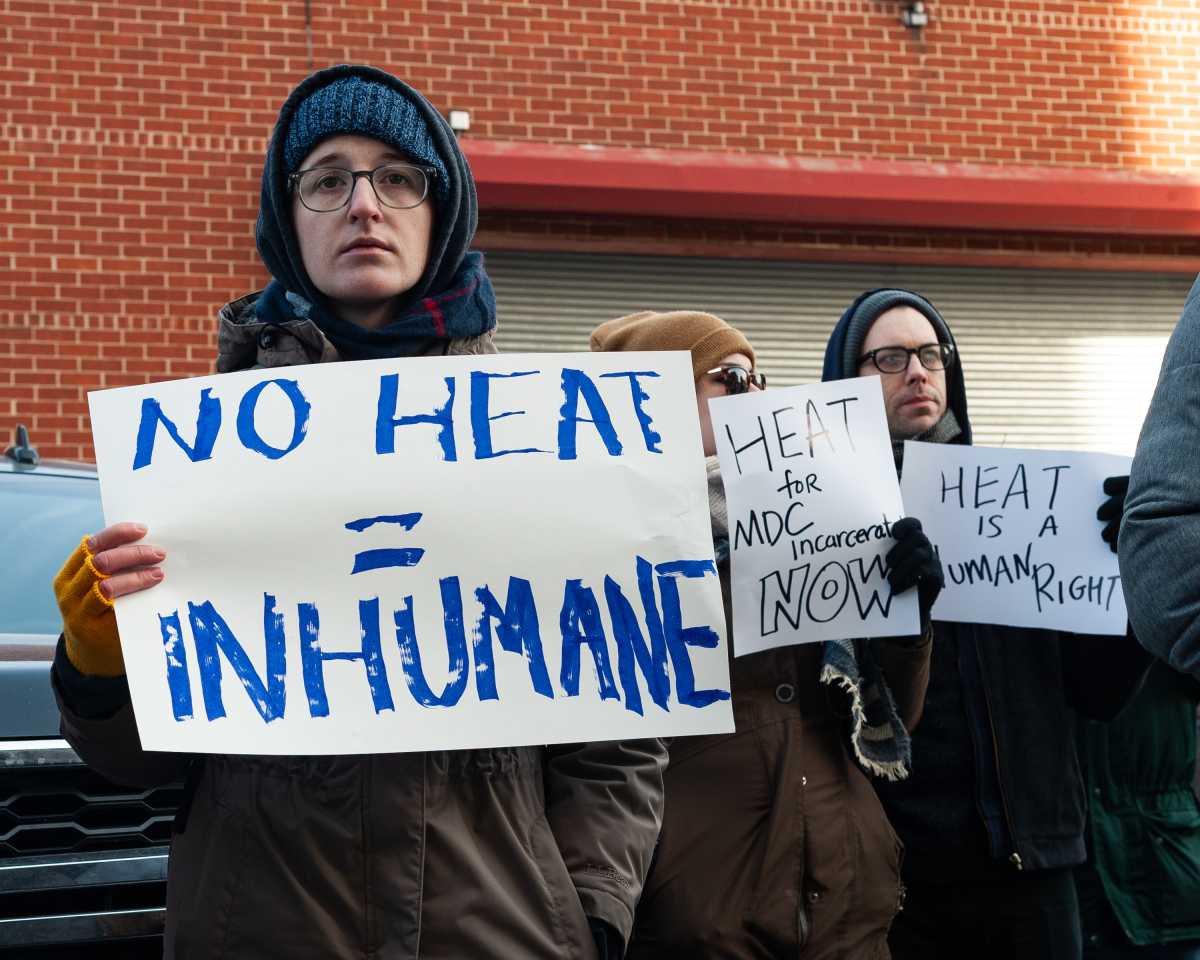 Family and community members protested outside MDC in 2019 after a power outage left inmates without heat.
In an interview with The New York Times, former MDC warden Cameron Lindsay described the jail as “one of the most troubled, if not the most troubled facility in the Bureau of Prisons.” In 2024, a federal judge described conditions at the facility as “barbaric.”
At the town hall meeting at Good Shepherd Lutheran Church, the Remedy Project, a youth-led prisoners’ rights advocacy group that files formal administrative remedies on behalf of people incarcerated in federal prisons, held its first public meeting to share findings from a three-month research project on conditions at MDC.
They also introduced the MDC Brooklyn Community Support Coalition, which includes the Remedy Project, Good Shepherd Lutheran Church Brooklyn, Indivisible Brooklyn, South Brooklyn Sanctuary, New York City Anti-Repression Group (NYCARG), Federal Defenders of New York, MDC Solidarity and Envision Freedom Fund.
The coalition was founded in response to the escalating crisis at the prison and launched a campaign to expose what its members describe as inhumane conditions at MDC, while providing legal, material and emotional support to incarcerated and detained people and their families.
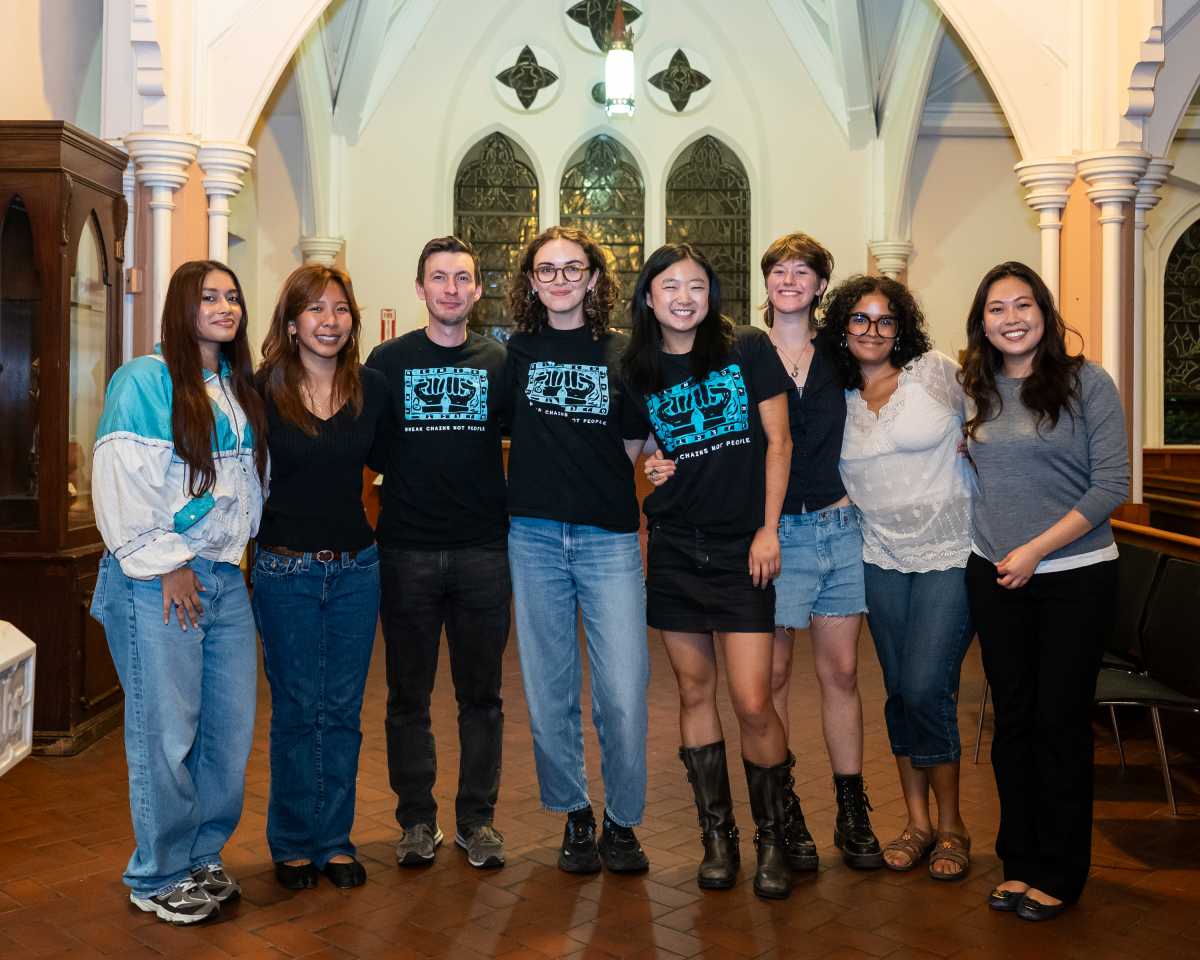 The Remedy Project hosted a town hall in Bay Ridge on Sept. 19 to brief the public on alleged poor conditions, medical neglect and violence at MDC.
MDC currently holds male and female prisoners of all security levels across two buildings and 17-plus units. It is primarily a pretrial detention facility, with most people held there awaiting trial, arraignment or sentencing in the U.S. District Court for the Eastern or Southern Districts of New York. The facility also holds a small number of people serving sentences. Since June 2025, the Department of Homeland Security has used a wing of the prison to house immigrants detained by Immigration and Customs Enforcement (ICE). The Bureau of Prisons said MDC began accepting ICE detainees on June 20, 2025.
Anna Sugrue, co-founder and co-director of the Remedy Project, and Colin Adams, program director at the Remedy Project, briefed attendees, including Congressman-elect Brad Lander and Juan Carlos Ruiz, a reverend at Good Shepherd Lutheran Church, on what they described as MDC’s living conditions, medical neglect, staff retaliation and civil rights abuses. They also discussed the administrative remedy process, which allows incarcerated people to formally complain about issues related to their confinement.
Commonly cited issues include frequent, unexpected and prolonged lockdowns, as well as more than 22 hours of confinement per day. The group also cited structural and environmental concerns, including mold, pest infestations, inedible food and disintegrating mattresses, some of which it said had reportedly been chewed by vermin. Other concerns include broken toilets that can go days without repair and cloudy, discolored water that smells of mildew.
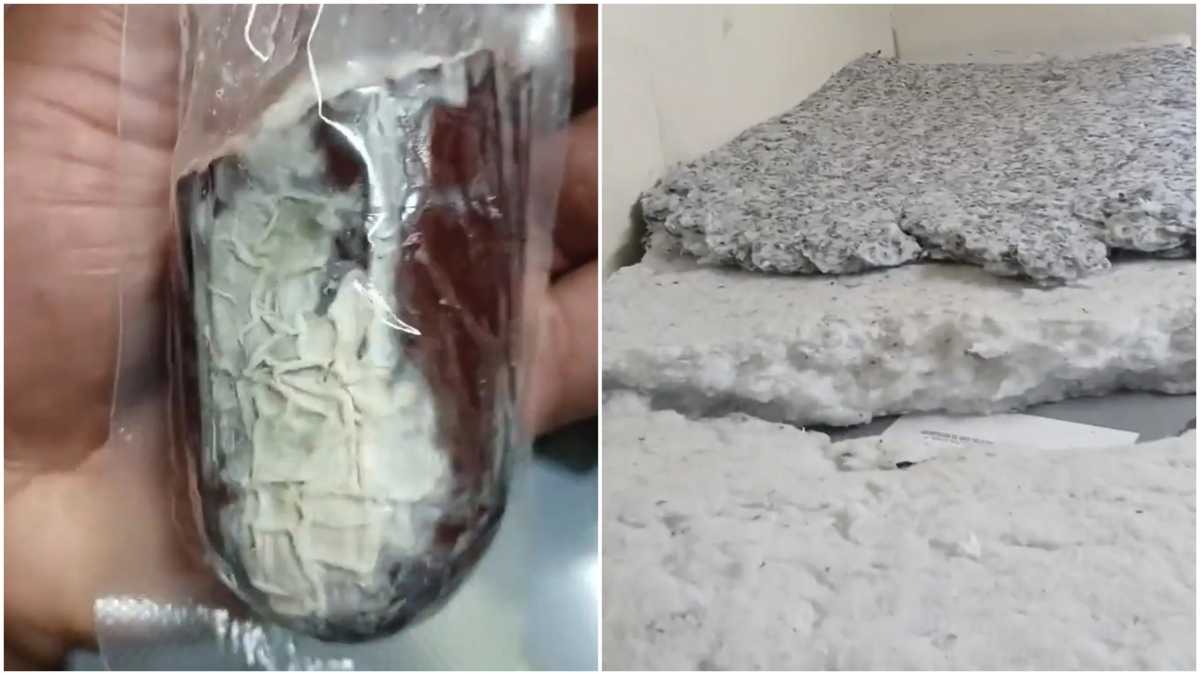 The Remedy Project shared photos of conditions reported by incarcerated people at MDC, including moldy food purchased at the commissary and broken mattresses.Photos courtesy of the Remedy Project
The group also cited incidents of violence, including violence by staff, gang- and race-based violence, extortion, retaliation by staff — including against family members and lawyers — and sexual violence.
The Remedy Project first reached out to incarcerated people at MDC in May 2026. So far, the organization has registered 36 inmates and taken on 37 new cases, filing administrative remedies for many of them involving medical neglect, complaints against staff, safety and sanitation, environmental conditions, and access to mail, legal mail and the courts.
Incarcerated Remedy Project members reported that medical services at MDC were extremely inadequate. They said emergency call buttons have been out of service since 2021 and that doctors are not available after 5 p.m. or on weekends.
Incarcerated people also reported significant delays in seeing medical staff after submitting sick-call requests, limited or no access to medical devices for chronic health conditions, inadequate or nonexistent follow-up care after procedures, an inability to access medical records and a lack of treatment for injuries.
One member fell and broke his spine but was not taken to a hospital for 43 days, according to the Remedy Project. When he was finally taken to a hospital, an MRI confirmed that he had broken his neck and three vertebrae in his back. He received minimal physical therapy at a rehabilitation facility, where he was chained to his bed, often for 24 hours at a time. When he returned to MDC, staff withheld his medical records and confiscated his cane, the organization said.
Another member was taken off MDC’s opioid use disorder program without explanation, according to the Remedy Project. In a desperate attempt to obtain medication, he begged other inmates in the program to share their saliva containing Suboxone, a prescription medication containing buprenorphine and naloxone used to treat opioid use disorder, so that he could feel normal.
When he asked a counselor to put him back on the program, the counselor suggested he continue getting it through “people’s mouths,” according to the member.
One Remedy Project member recently suffered two heart attacks. He was taken to NYU Langone Hospital, where prison staff wanted the hospital to perform surgery without preparation or advance notice to his family, according to the organization. When he refused the procedure and was discharged, he was sent back to MDC and suffered a severe anxiety attack.
Incarcerated people also reported that MDC staff obstruct access to the courts and legal materials, particularly affecting people representing themselves who must prepare their cases from inside the prison. But people with private and public legal representation have reported similar incidents, according to the Remedy Project.
The group said staff have denied free and unmonitored legal calls, deliberately ignored court orders issued by judges regarding legal access, degraded evidence during the mail-receipt process and failed to provide enough stamps for individuals to send mail to the courts. The group also reported problems with legal mail, including delayed deliveries, mail being opened without the recipient present, legal mail being designated as regular mail and signatures being forged for recipients.
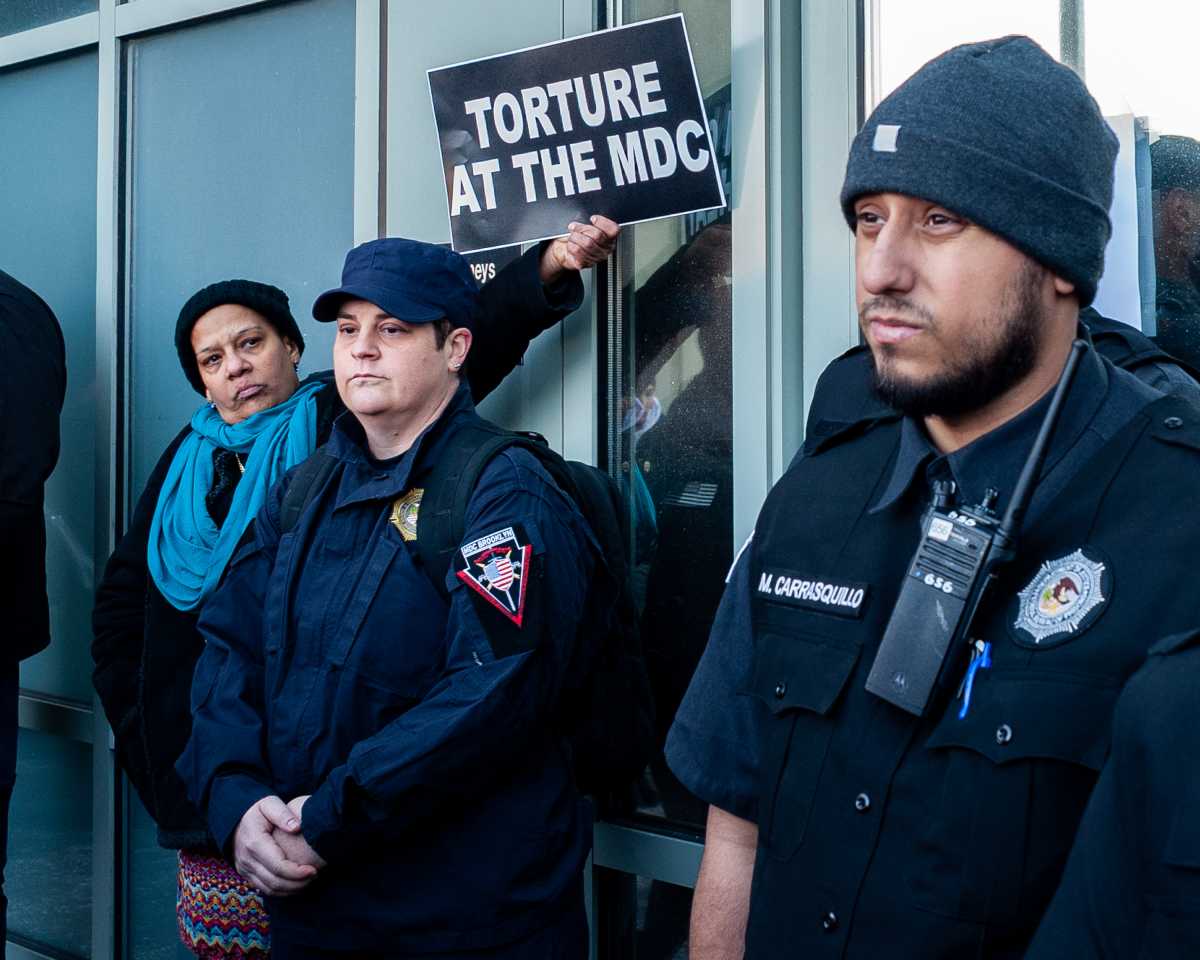 Family and community members protested outside MDC in 2019 after a power outage left inmates without heat.File photo by Gabriele Holtermann
Staff misconduct and retaliation, according to the Remedy Project, range from refusing to provide or accept administrative remedy filings and inciting violence by placing individuals in dangerous situations to refusing visitation and frequently and excessively using solitary confinement.
In September, a gang-related brawl left multiple inmates stabbed and slashed, according to the organization. Federal prosecutors have separately charged inmates in connection with a February 2025 fight at MDC that resulted in at least five inmates being hospitalized and at least 10 appearing to have stab or slash wounds.
One incarcerated person said counselors will only write up Black men. One counselor was quoted as saying, “It’s too much color in here; some of y’all have to go into the box [solitary].”
Adams said their presentation was only a summary of their findings at MDC.
“The patterns that we mentioned here today are just symptomatic and a small snapshot of the patterns that we have seen across the country over the last five years, and we have no doubt that these are just a representation of the issues that are experienced in every prison and detention center in this country,” Adams noted.
Sugrue told Brooklyn Paper that when incarcerated people sign up with the Remedy Project, they know they are taking a risk by working with an outside advocacy organization, but that the organization was “very, very conscientious” about the relationships it was building with its incarcerated members at MDC.
“It is a risky thing; being incarcerated and advocating for yourself is a risky thing. I think those risks are not a reason not to take them. It’s just about building the support for folks to be able to take those risks with a little bit more safety and with people behind them who are willing to stand up for them if things go south,” Sugrue said. “But I think for a lot of these people, they’re experiencing like horribly torturous conditions, and so the idea of those conditions getting slightly worse is not even that scary.”
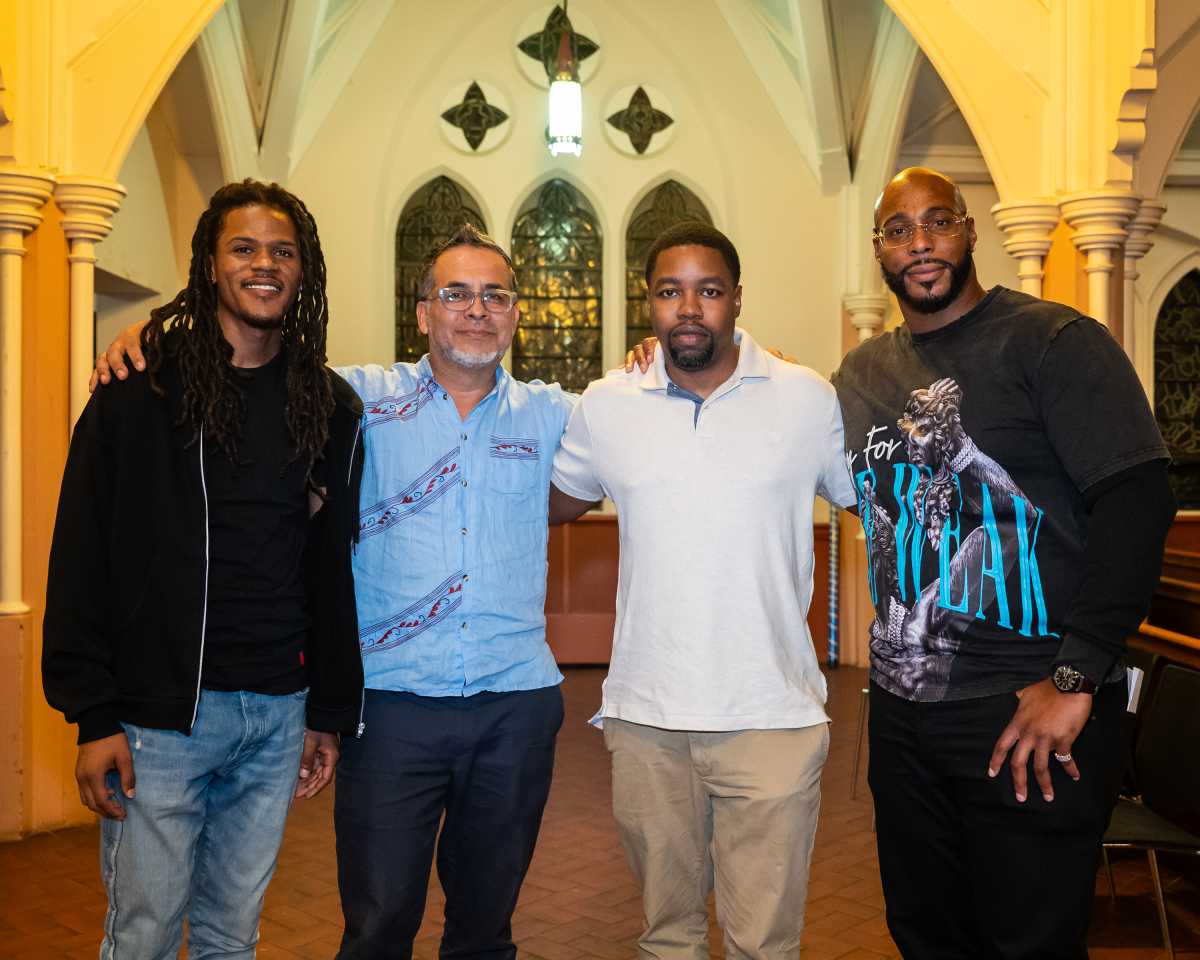 Kurt, the Rev. Juan Carlos Ruiz, Karim Golding and Dwayne Stone attended the Remedy Project’s town hall in Bay Ridge on Sept. 19.Photo by Gabriele Holtermann
Dwayne Stone, a formerly incarcerated person, also attended the event. He told Brooklyn Paper that he spent 21 years in federal prison, including at MDC, which he described as “dehumanizing,” citing a lack of underclothes, sleeping on the floor for years, lockdowns and no access to outdoor space or a proper yard.
“You wouldn’t think that your government, you know, would treat you like you know people come in there and it’s just like a lack of respect for humanity. The guards don’t respect you, and they talk to you crazy, like you’re a dog. You know, animals get treated better. The firsthand look at how our government treats its citizens is just terrible,” he said, praising the MDC Brooklyn Community Support Coalition for supporting incarcerated people and trying to change the system.
“What these people in this organization are doing is uplifting, because when I was going through my situation with the court system and the justice system, I didn’t have this. There was nobody besides my family and individuals that just loved me outside of being my relatives, who even cared about anything that was going on with me,” Stone said. “So this organization, it’s like a foundational piece to try to start to change the environment that we’re in right now because it’s needed.”
A spokesperson for the Bureau of Prisons told Brooklyn Paper in a statement that the agency takes its responsibility to provide safe, secure and humane conditions for individuals “entrusted in their custody” seriously. The spokesperson said MDC Brooklyn operates within the security, staffing, infrastructure and operational demands of a federal detention facility.
“In order to maintain the safety and security of individuals housed within our institution, Wardens may establish controls or implement temporary security measures to ensure the good order and security of their institution. Modified operations refer to a temporary change to some institution operations that may include inmate movement, programs, and/or services,” the statement reads.
The agency said such measures are generally used while officials investigate incidents and work to ensure the safety of staff and inmates.
“Ordinarily, institutions remain on modified operations in order to thoroughly investigate an incident and ensure the safety of staff and inmates. However, with respect to the day-to-day operations of the facility during modified operations, all inmates have access to unit team staff, medical care, food, water, and other programs.”