
September 22, 2026

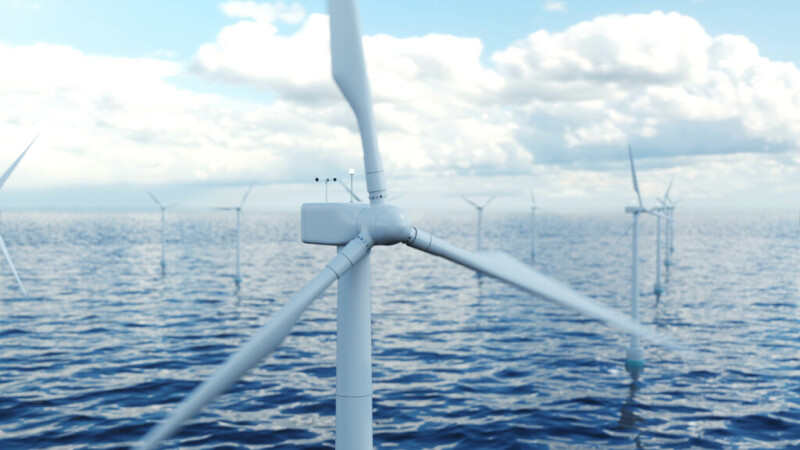
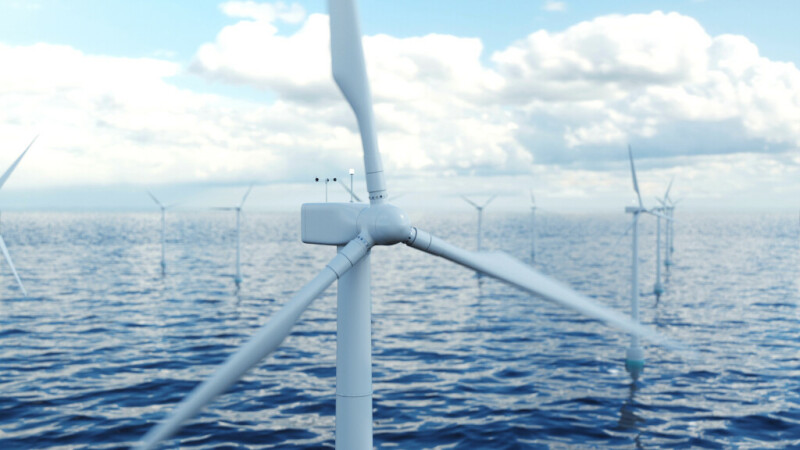 Offshore wind turbines generate electricity at sea as states and the federal government remain locked in legal and policy disputes over the future of U.S. offshore wind development. File photo.
New York Attorney General Letitia James and seven other state attorneys general filed two lawsuits Sept. 22 challenging federal agreements that would cancel four offshore wind leases held by Bluepoint Wind and Invenergy affiliates.
New York Attorney General Letitia James and seven other state attorneys general filed two lawsuits Sept. 22 challenging federal agreements that would cancel four offshore wind leases held by Bluepoint Wind and Invenergy affiliates.
The lawsuits target agreements between the U.S. Department of the Interior and the developers involving about $1.4 billion in potential federal reimbursements tied to investments in other U.S. energy projects. The states allege the arrangements violate federal law and improperly use money from the federal Judgment Fund.
One lawsuit concerns Bluepoint Wind’s lease in the New York Bight. Bluepoint’s owners paid $765 million for the 71,522-acre lease in a 2022 federal auction. Under an agreement Interior announced in April, Global Infrastructure Partners, a 50% owner of Bluepoint, committed to invest up to $765 million in a U.S. liquefied natural gas facility. Interior said it would then cancel the offshore wind lease and reimburse the company’s original bid payment in an amount corresponding to that investment. Bluepoint also agreed not to pursue additional U.S. offshore wind development.
The second lawsuit concerns three Invenergy offshore wind leases in the Northeast valued at approximately $653 million. Those leases are part of a broader June agreement under which Invenergy affiliates agreed to terminate four offshore wind leases totaling $765 million, including a separate lease off California. Invenergy committed to redirect capital toward natural gas-fired power plants in Indiana, Wisconsin, Iowa, Kansas, and Missouri, along with geothermal projects in the western U.S.
California is separately challenging the agreement involving the Invenergy lease off its coast.
James and the other attorneys general contend that the federal government lacks a legal basis to use the Judgment Fund for the agreements because, they argue, the payments do not settle actual or imminent litigation. The complaints also allege violations of the Administrative Procedure Act, National Environmental Policy Act, Outer Continental Shelf Lands Act, Judgment Fund Act, and other federal spending laws.
“These illegal backroom deals take money that should have gone toward lowering New Yorkers’ bills,” James said, arguing that the agreements would redirect investment away from new generation planned for New York.
Interior has presented the agreements differently, describing them as voluntary settlements that move investment away from offshore wind projects the department considers dependent on federal subsidies and toward other domestic energy sources.
“The offshore wind leases were sold under the assumptions that taxpayers would indefinitely subsidize costly, unreliable projects,” Interior Secretary Doug Burgum said when the Invenergy agreement was announced.
Interior said the Invenergy agreement was intended to redirect investment toward projects it considers capable of providing reliable and affordable power, while the Bluepoint agreement was described as supporting U.S. energy security and conventional energy development.
The New York-led coalition argues that canceling the leases would eliminate planned generation and economic investment in the Northeast. State officials said the two projects tied directly to New York were expected to bring more than $16 billion in investment and more than 2,800 jobs to the state. The four projects covered by the two lawsuits had an anticipated combined generating capacity of more than 8 GW, according to the New York Attorney General’s office.
The state also pointed to projected growth in electricity demand. New York energy planners expect statewide electricity demand to increase 8% by 2030 and 24% by 2040, growth the state says will be driven partly by economic development and large new loads including data centers.
The latest litigation follows an earlier challenge by New York and other states to a separate Interior agreement with TotalEnergies. That deal called for TotalEnergies to relinquish offshore wind leases, including the Attentive Energy lease off New York, while redirecting capital toward U.S. oil, natural gas, and LNG development. The federal government agreed to reimburse the company up to the value of the surrendered leases.
The Bluepoint and Invenergy lawsuits seek court orders declaring the agreements unlawful, voiding the lease cancellations, and preventing further implementation of the deals. New York is joined in both cases by Connecticut, Delaware, Maine, Massachusetts, New Jersey, Rhode Island, and Vermont.