
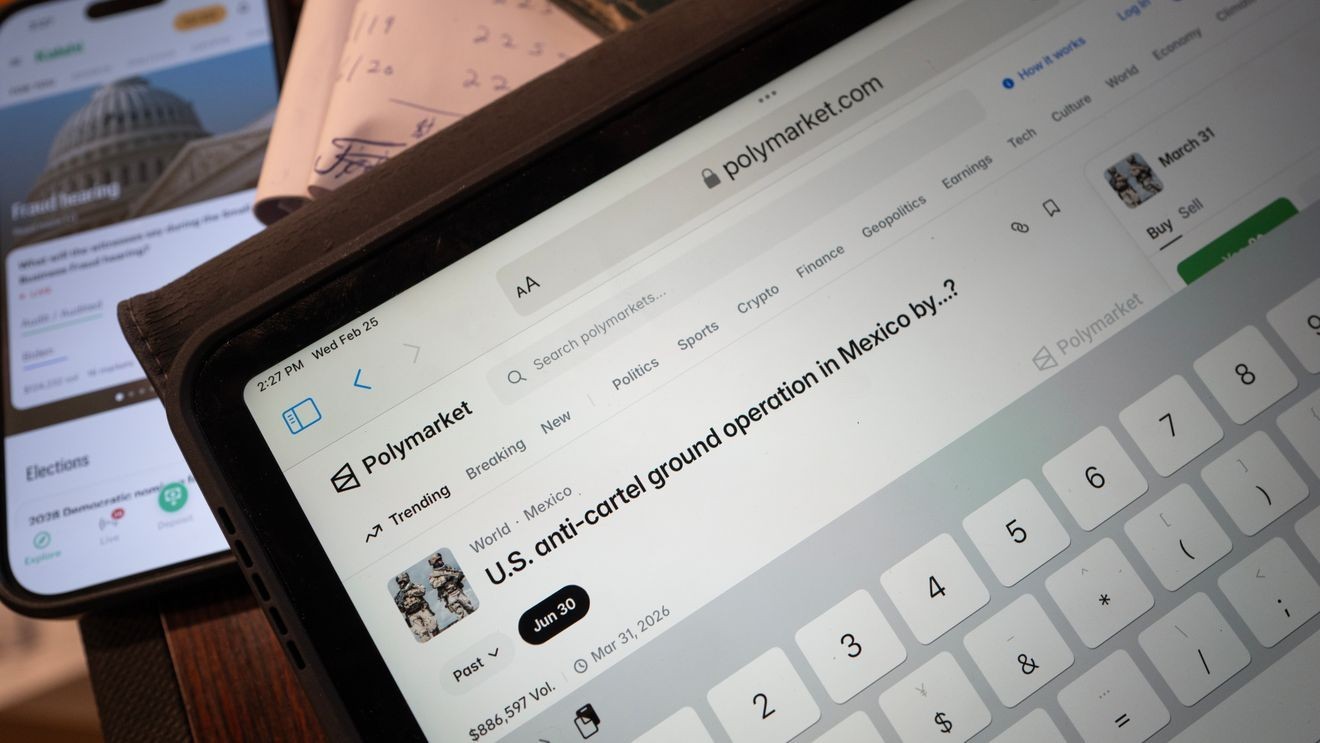
WASHINGTON (TNND) — New York on Thursday filed a lawsuit against Polymarket for allegedly running an illegal gambling operation.
The lawsuit comes after New York sued prediction market platforms Kalshi, Coinbase, and Gemini earlier this year.
“I will always stand up for New Yorkers when bad corporate actors prey on consumers and threaten tax dollars that fund schools and critical public services,” New York Gov. Kathy Hochul (D) said in a statement.
“By running an unlicensed gambling operation, Polymarket has done more than just knowingly violate state law, they have put New Yorkers at risk, especially those underage who are most vulnerable to problem gaming,” she continued.
According to the lawsuit, Polymarket has allegedly been operating a gambling business without obtaining a license from New York’s gaming commission or paying the associated taxes, The Hill reported. The state also argues that the prediction market platform violates laws barring gambling for users under 21 years old.
Attorney General Letitia James (D) said in a statement, “Our gambling laws exist to protect New Yorkers, prevent the potential harms of problem gambling, and ensure funding for educational and public benefit programs. By skirting New York’s laws, Polymarket is targeting the most vulnerable and depriving New York families of critical services and support.”
The lawsuit seeks a court order stopping Polymarket from operating as an unlicensed gambling business and requiring the company to forfeit all illegal gains, distribute restitution to harmed consumers, and pay fines equal to three times its illegal gains.
“We believe in New York and we’re staying here,” Polymarket chief legal officer Neal Kumar said in a statement.
“While the AG’s decision to copy/paste a recycled lawsuit is disappointing, we’ll fight for our users,” he continued. “We didn’t run to preemptively sue the state — we chose to engage with them directly on the substance and address their concerns. They preferred the media hit.”
This lawsuit comes as states have argued that prediction market platforms, which let users bet on the outcome of various events, should be governed by their gambling laws.
The platforms contend that they are regulated at the federal level by the Commodity Futures Trading Commission. The CFTC under the Trump administration has sided with the platforms and has been with asserting its regulatory authority.
Earlier this month, New Jersey asked the Supreme Court to weigh in on the legal fight, which has seen contradictory decisions at the appellate level, NPR reported.
The 3rd Circuit Court of Appeals blocked New Jersey from enforcing its gambling laws against Kalshi earlier this year, but the 9th Circuit Court of Appeals ruled last month that Nevada could regulate prediction markets just like gambling and sportsbooks.