
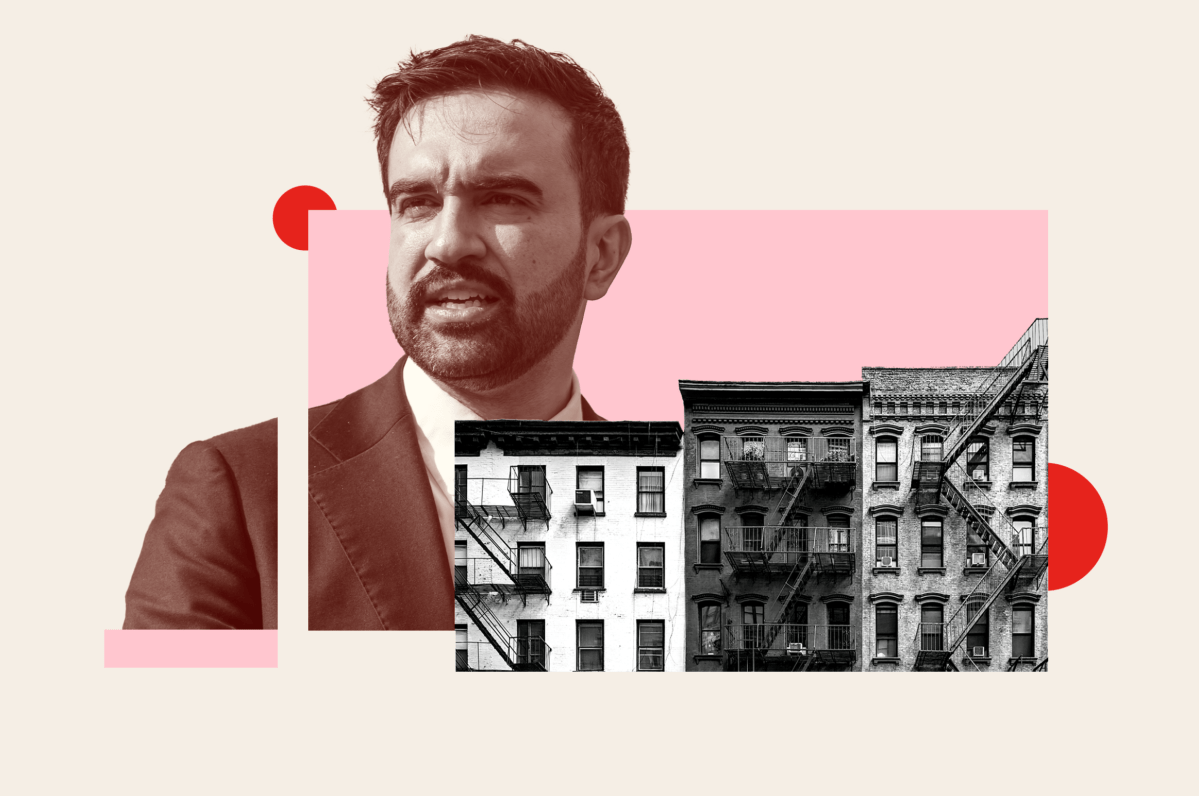
The same day that over 1 million New York City voters chose democratic socialist Zohran Mamdani as their next mayor, they also passed three ballot initiatives promising to speed up new home construction in the city.
The measures represent “a constructive step” toward addressing New York City’s dire housing shortage and affordability issues, one expert told Newsweek.
What Are the Ballot Measures?
The three initiatives—Proposal 2, 3, and 4—appeared on the ballot on Tuesday, November 4, the same day as the mayoral election. They were proposed amendments to the city charter—a document describing “the organization, powers, functions and essential procedures of the city government,” including those responsible for housing in the city.
Two of the measures create a “fast track” for the construction of smaller-scale projects and affordable housing developments by giving the City Planning Commission the power to approve or reject such projects, taking it away from the City Council. A majority of the commission’s members are appointed by the mayor.
A third measure creates an appeals panel that can override City Council’s decisions to reject or modify affordable housing developments. The panel needs two of its three members—the mayor, the Council speaker and the president of the borough where the development is proposed—to agree to be able to override the City Council.
All measures were written by a Charter Revision Commission (CRC) created by Mayor Eric Adams, made up of 13 members.
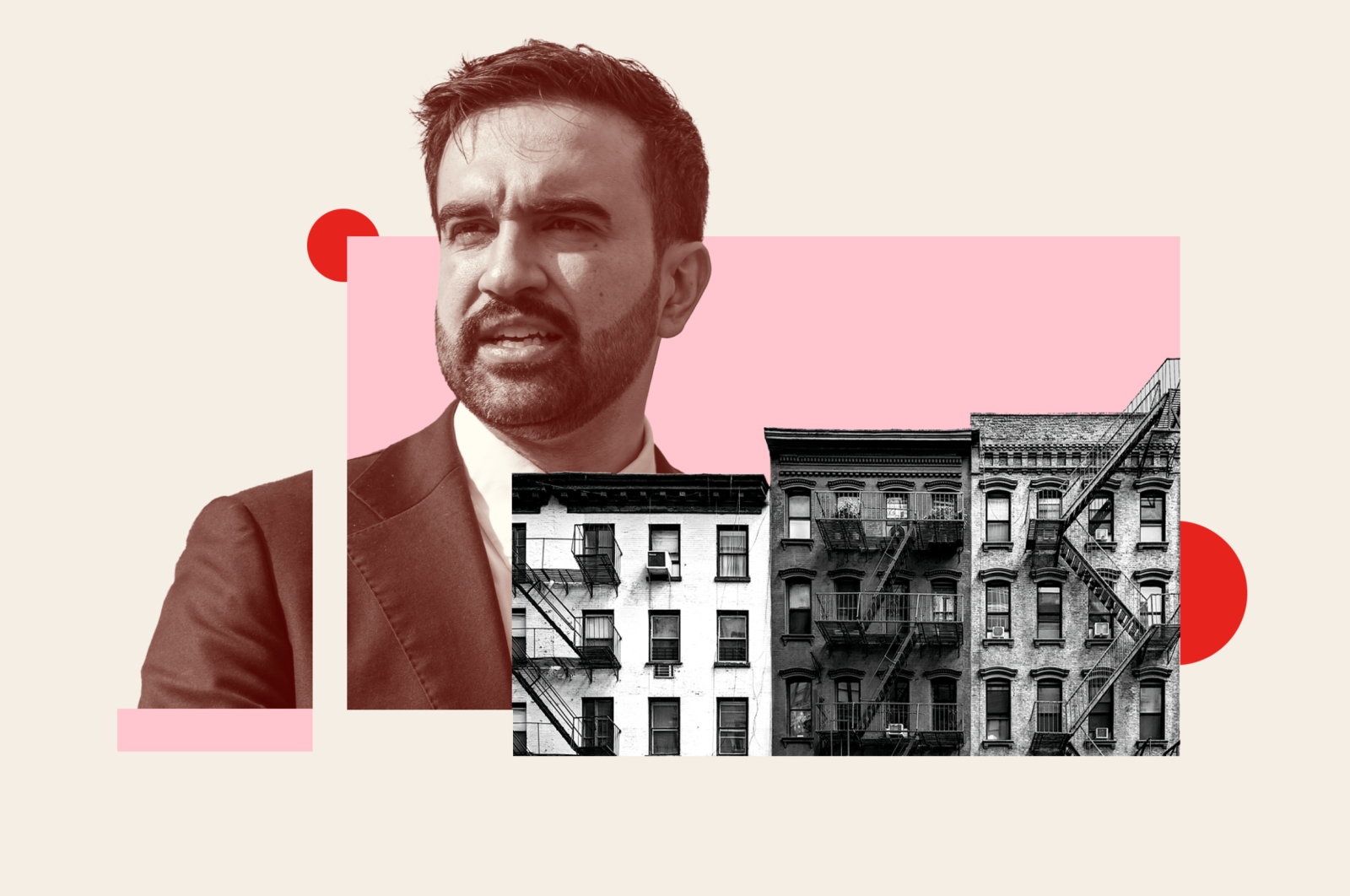
The City Council had strongly opposed the ballot initiatives, saying that their veto powers were necessary to make sure developers included amenities for residents in their projects, such as parks and schools.
“These misleading ballot proposals permanently change the city’s constitution to weaken democracy,” City Council spokesman Benjamin Fang-Estrada said in a statement reported by Realtor.com. “This will leave our city without the checks and balances of democracy to protect New Yorkers and ensure outcomes that prioritize them, not simply profits.”
Supporters of the initiatives, however, said that the measures would finally allow the city to ease its affordable housing shortage and address a problem that has only become more urgent over the past five years when home prices skyrocketed all across the country.
Mamdani, who ran a campaign focused on making housing more affordable for New Yorkers, initially refused to take a stance on the measures, but on Election Day threw his support behind the three ballot initiatives.
“That is a power, like all mayoral power, that must be used to deliver for New Yorkers,” he said on November 4 after stating he had voted “yes” to all measures. “And I am looking forward to working alongside the City Council in delivering the kind of investments that so often communities have been denied.”
What Impact Would It Have on the City’s Housing Market?
New York City’s successful pro-housing ballot measures were “perhaps the most important election in the country for housing this year,” Henry Honorof, director of the coordinating team of Welcoming Neighbors Network—a confederation of nearly 60 pro-housing advocacy organizations across 32 states—told Newsweek.
“Partly because they were a direct, unmistakable message from voters on the urgent need to remove barriers to new housing, and partly because we can expect them to have a huge impact in America’s largest city,” he said.
Honorof added: “First and foremost, New York City has a massive housing shortage and anything they can do to get more housing options available quickly, the better. Not having enough homes to rent or buy creates cutthroat competition and drives up prices. When there are enough homes available, renters and homebuyers have the leverage they need to negotiate with their landlords and sellers and bring prices down.”
Additionally, the ballot measures are focused on subsidized, regulated affordable housing, “which can be totally killed by delays,” he said.
“These measures will help build tens of thousands of new affordable homes quickly by cutting unnecessary red tape—while still maintaining public input, environmental reviews and construction and safety standards,” Honorof explained.
Ran Eliasaf, founder and managing partner of Northwind Group, a real estate private equity firm with over $5.6 billion in transactions, is more cautious on the impact of the three measures.
He told Newsweek that they “represent a constructive step toward easing New York’s housing bottleneck, but their impact will be limited in scope.”
Streamlining parts of the approval process could help certain affordable projects advance more efficiently, Eliasaf said, “yet they don’t address core challenges like construction costs, financing availability, and regulatory complexity.”
Without significant new funding or zoning reform, according to Eliasaf, the ballot measures’ effect on affordability “will be modest and felt only over time.”
The ballot initiatives’ success and Mamdani’s triumph on Election Day, however, have highlighted the importance of housing affordability to everyday Americans.
“We have seen it nationally—in Los Angeles, Boston, and now in New York, where housing affordability has emerged as one of the most important issues for voters,” Eliasaf said. “In New York, the issue of housing costs consistently ranked ahead of other policy concerns, and the mayoral election results reinforced that trend: districts with large concentrations of subsidized or rent-regulated housing delivered some of the strongest margins in favor of the winner.”