
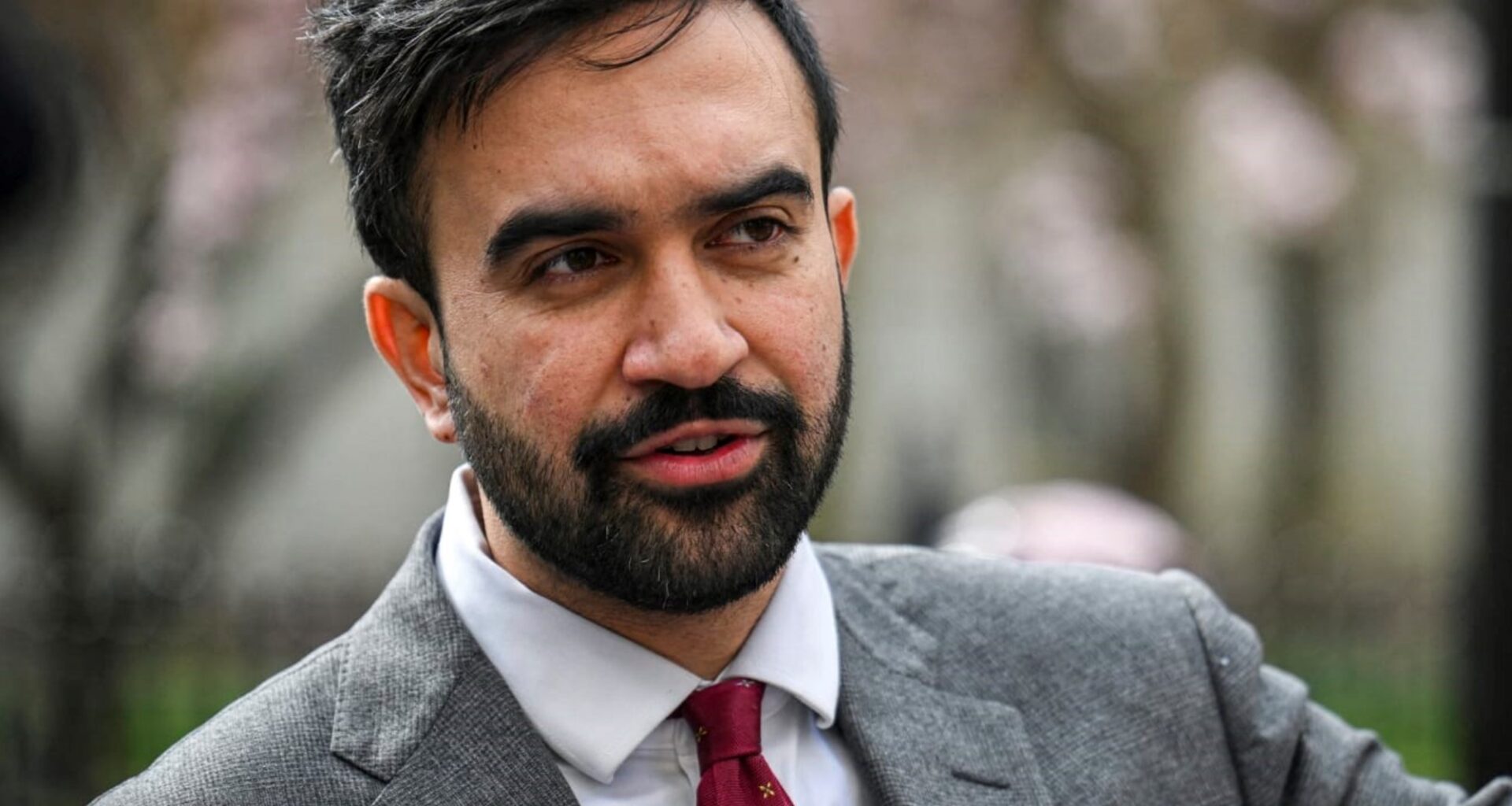
Aimed at boosting workers’ awareness of their rights and flagging abuses before they occur, New York City Mayor Zohran Mamdani has created the Mayor’s Office of Worker Power (MOWP). The office is the first municipal agency of its kind in the United States, with city hall clarifying it is not intended to replace labor unions.
In a statement, Mamdani noted that “every single day, working New Yorkers show up, deliver, and keep this city running—yet all too often, they have no say over the conditions under which they work.”
He explained that the new office aims to ensure workers have “a seat at the table” before “exploitation turns into a crisis,” adding that “when workers have power, the city works better.”
According to data released with the announcement, real wages for working New Yorkers remain stagnant. As an example, the city cited CEOs at the 100 lowest-paying major U.S. corporations, who last year earned 614 times more than the average worker at their respective companies.
Mayor Zohran Mamdani signed the executive order creating the MOWP on September 7. The document outlines that the office will operate under the Deputy Mayor for Economic Justice and will be led by Tony Perlstein, a labor organizer with extensive experience in unions and community movements.
Perlstein previously served as organizing director for the United Auto Workers (UAW) and as the union’s national co-director of education. He also worked as a longshoreman at the Port of New York and New Jersey, where he served as secretary-treasurer of his local union.
The core functions of the new office include:
• Bringing workers and organizations together: strengthening connections among union leaders, worker centers, immigrant workers, and gig or app-based workers.
• Holding public hearings: convening meetings to hear directly from workers about the primary issues affecting New York’s labor market.
• Connecting workers with support: referring workers to organizations capable of providing assistance with workplace disputes and issues.
• Investigating labor issues: coordinating with municipal agencies to investigate pressing workplace concerns.
• Proposing new policies: drawing on workers’ direct experiences to develop policy recommendations.
• Preparing for technological shifts: monitoring emerging technologies and workplace changes that could impact specific job sectors.
The establishment of the office builds on other initiatives launched by the Mamdani administration. City Hall reported that enforcement actions against deceptive tip practices generated roughly $104 million in additional earnings for approximately 70,000 app-based delivery workers.
Mamdani also opened the city’s first dedicated rest hub for delivery workers. Additionally, his administration announced a joint partnership between the Department of Consumer and Worker Protection and the Manhattan District Attorney’s Office to crack down on wage theft and other labor violations.
With this new agency, the Mamdani administration aims to position city government in a more proactive role regarding labor organizing and worker rights advocacy.