
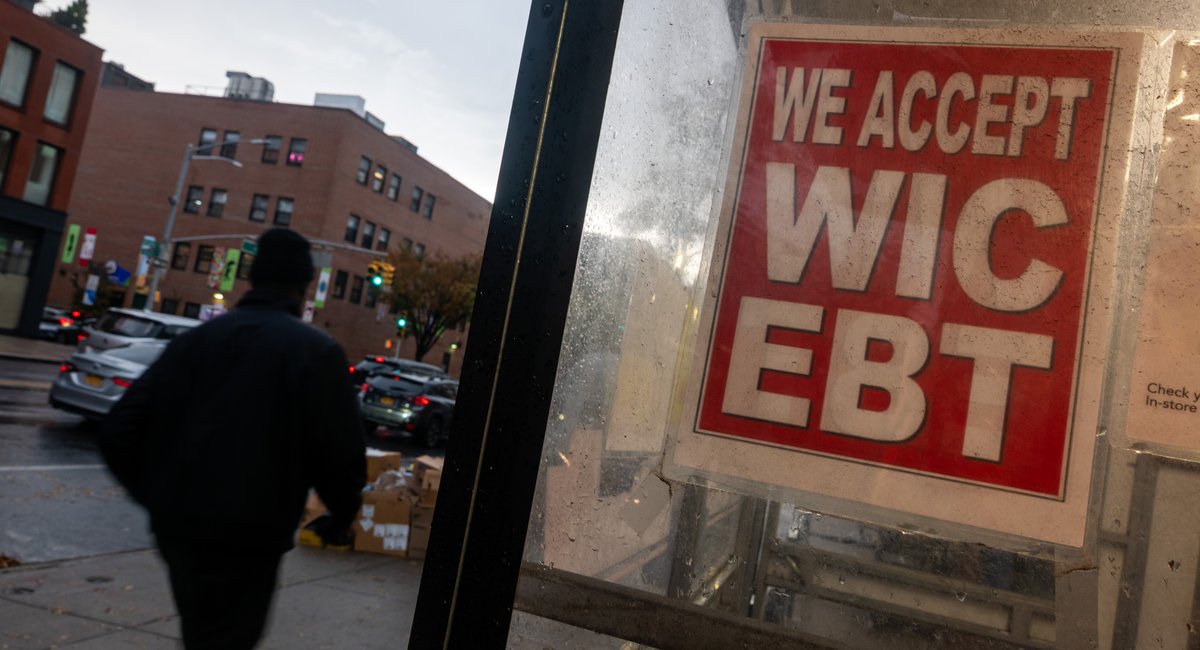
The Mamdani administration is urging New Yorkers who recently lost their SNAP food assistance benefits due to new federal work rules to reapply for the program.
City officials said 26,500 SNAP recipients were kicked off their monthly food aid since the Trump administration began requiring beneficiaries to consistently prove they are working, volunteering or in school to keep their benefits longer than three months.
But certain restrictions of the Supplemental Nutrition Assistance Program essentially reset every three years, meaning New Yorkers who failed to comply can start over in October and receive at least three more months of SNAP.
Anyone who wants to reapply or needs help keeping their benefits can call 718-SNAP-NOW or 718-762-7669. They can also check the Access HRA app for information or visit nyc.gov/AccessHRA.
Congressional Republicans and President Donald Trump enacted a measure in 2025 that widened work requirements for SNAP recipients in what they said was a way to curb waste and fraud, and push more people into employment.
In New York City, the added requirements meant new groups of people such as those aging out of foster care, older adults and homeless New Yorkers had to document their employment or else lose their aid.
The rules took effect this year, giving SNAP recipients 18-64 years old a three-month grace period to comply or else lose their assistance beginning in June. Those who apply again for SNAP will have another three months to meet the requirements.
Jerome Nathaniel, director of policy and government relations at City Harvest, a food rescue group, said the monthly benefit is a lifeline to many families.
“When you deny people benefits, you create more red tape, then you’re going to drive up food insecurity and lower participation rates,” he said.
City officials said they worked with city hospitals and universities to exempt as many SNAP recipients as possible due to medical reasons or a disability, or to mark them as complying with education requirements. More than 300,000 people were subject to the rules and the city said it helped tens of thousands of recipients maintain their assistance or submit exemptions.
The data shows a majority of New Yorkers who didn’t meet the requirements are younger, between 18 and 30 years old.
Erin Dalton, commissioner of the city’s Department of Social Services, which administers SNAP, said city workers would be doubling their efforts to reach this group, through phone banking, door-knocking and community outreach to get them to apply again for the program and help them find employment opportunities.
“Traditionally young people are harder to reach, and they may not understand the implications of complying,” she said.
On Oct. 1, the Trump administration will also shift more of the costs of administering SNAP to the states. In New York those costs will be passed on to the city at a cost of $111 million, according to City Harvest.