
A proposed New York law introduced in the wake of the “Cornell Seven” case would make it easier to prosecute certain sexual assault cases when a victim is too impaired by drugs, including alcohol, to understand what is happening or consent to sexual activity.
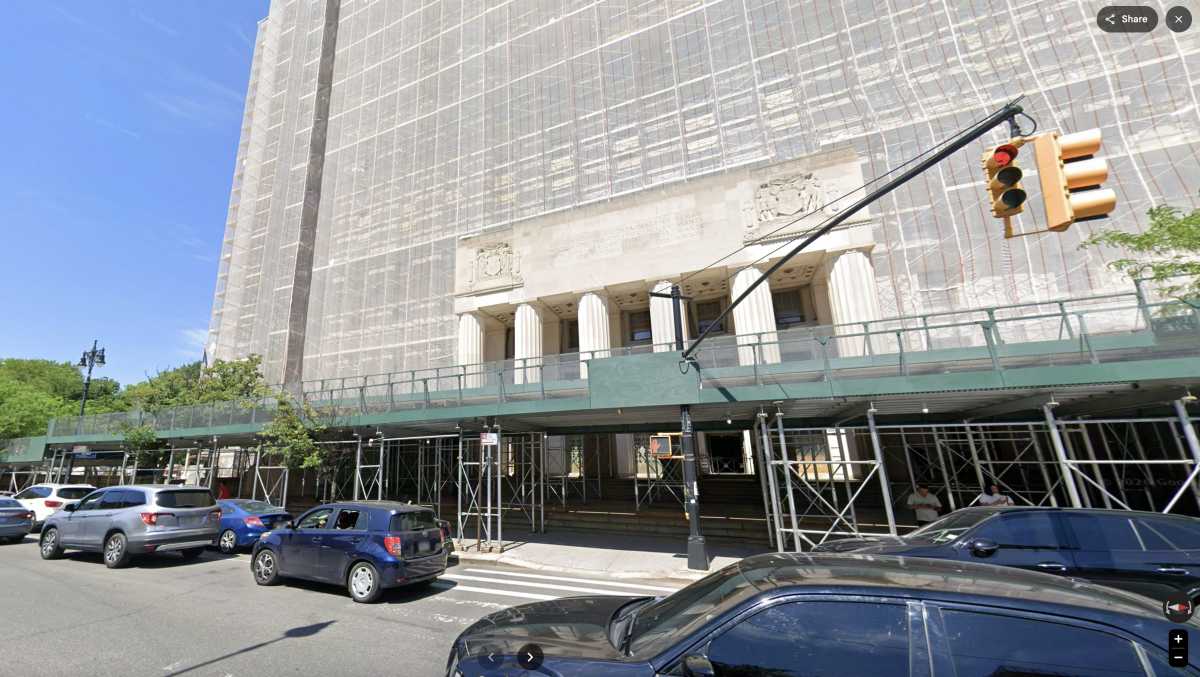
Bronx lawmakers and survivors of sexual violence held a press conference outside Bronx County Courthouse on Thursday to renew the call for passage of S.10632/A.101, a bill that addresses a specific gap in the Empire State’s sexual assault laws that can limit prosecution when a victim becomes voluntarily intoxicated— thus, incapable of consenting, the group explained.
“Protections for survivors of sexual assault are virtually non-existent when an individual voluntarily consumes an intoxicating substance,” Bronx Assembly Member Jeffrey Dinowitz, a sponsor of the bill, said. “[S.10632/A.101] would help close this gap by allowing prosecutors to focus on the central question of whether a person was capable of consenting, rather than how they became intoxicated.”
The bill, lawmakers explained, would also focus on whether the individual or individuals accused of the assault knew, or reasonably should have known, that the victim was unable to consent.
“We are here to demand justice for the survivors of sexual assault because in New York, all too often, they do not get justice,” Dinowitz said. “If you went to a party, you just drank too much, took drugs or whatever, you will not get justice in New York because of the way our law is written.”
The press conference was held in response to the “Cornell Seven” allegations that have made national headlines this week. The case centers around seven current and former Ithaca-based Cornell University students named in a civil lawsuit involving allegations of a sexual assault at a frat house in October 2024. The county’s district attorney later reopened the criminal investigation into the matter.
Protecting victims and providing evidence
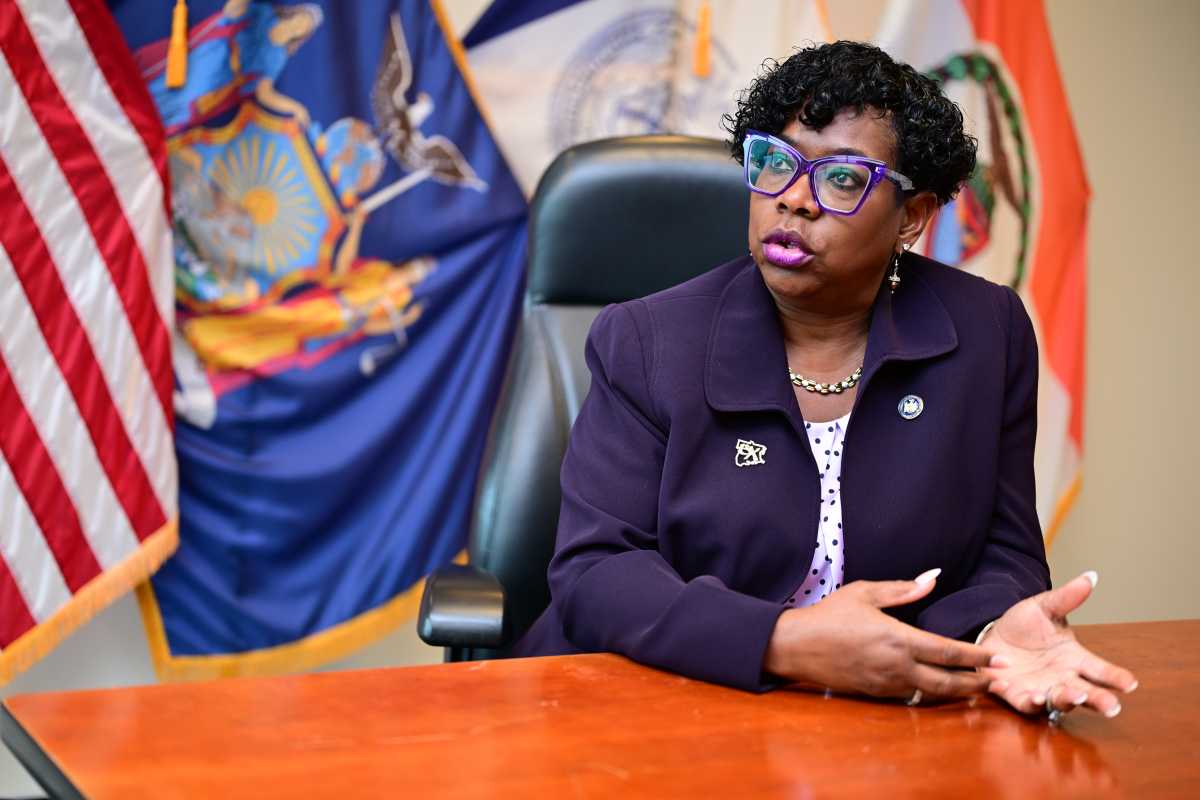 Bronx DA Darcel ClarkPhoto by Ramy Mahmoud
Lawmakers said many survivors of sexual violence face challenges to proving a lack of consent when they are under the influence, especially when they were unconscious or partially unconscious during an alleged assault.
Bronx District Attorney Darcel Clark, who spoke at the event, reminded attendees that they had gathered in the same place a year ago to urge the state to close the same voluntary intoxication loophole in the law.
“Currently, as the law is written, lack of consent can be established when a person is forced, physically helpless, mentally incapacitated, or drugged without their knowledge by someone else, or when they say ‘no,’” the DA explained. “But if a person is out with friends and voluntarily consumes alcohol or drugs and becomes intoxicated, so they are unable to say ‘no,’ and they are sexually assaulted, that scenario is not covered by the law.”
As a prosecutor, she urged protecting the victims by closing the loophole while underscoring the importance of evidence showing intoxication.
“The law should recognize when someone is simply incapable of consenting,” Clark said. “If a reasonable person in this situation would have understood that the victim was unable to consent, and we can corroborate it with other evidence like video of someone not being able to walk or witnesses who saw the victim slurring their words or falling asleep or anything like that to help us establish the victim’s inability to consent, then that would be fine.”
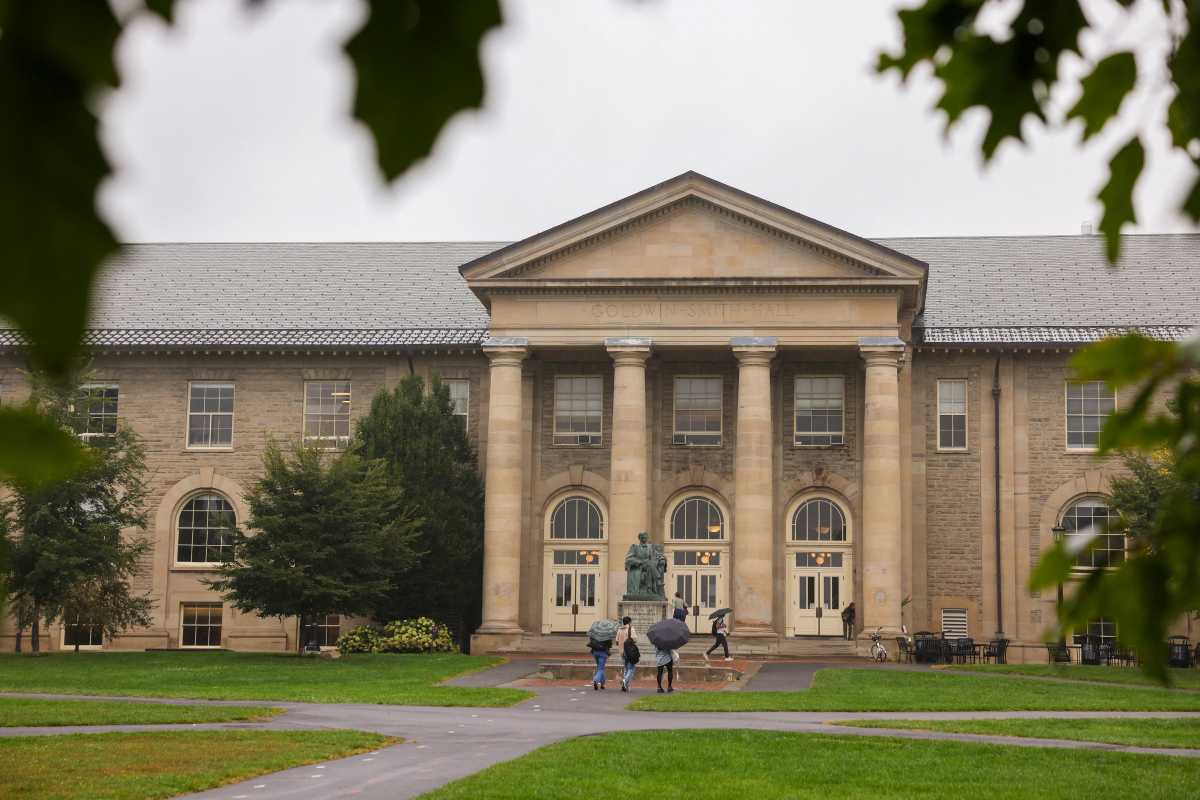 The bill was introduced in response to the “Cornell Seven” allegations that have made national headlines this week. The case centers around seven current and former Ithaca-based Cornell University students named in a civil lawsuit involving allegations of a sexual assault at a frat house in October 2024. The county’s district attorney later reopened the criminal investigation into the matter.REUTERS/Lauren Petracca
Assembly Member Linda Rosenthal, who represents parts of Manhattan, crossed district lines to show support for the bill.
“We’ve finally had enough in this society to say we are no longer women-shaming. We are no longer victim-blaming. We are no longer tolerating infantile boys who say, ‘Is the shop still open?,’” Rosenthal said, referencing the vulgar Snapchat messages made public between the men accused of the alleged Cornell University rape.
Currently, S.10632/A.101 is moving through the legislative process. It has passed the State Senate, but is still in the Assembly Committee and needs the governor’s approval before it goes into law.
Rape statistics in NYC
According to the NYPD, rape declined for the second consecutive month in August.
However, year-to-date, rapes increased 3.2% (1,423 vs. 1,379) compared to 2025, which the NYPD said it attributes in large part to reports of crimes that occurred in prior years. The department said 26% of all rapes reported in 2026 occurred in previous years.
Rape continues to be underreported. The NYPD asks victims of sexual assault to come forward. To make a report of a sex crime, call the department’s 24-hour hotline at 646-610-7272 or 212-267-7273.