
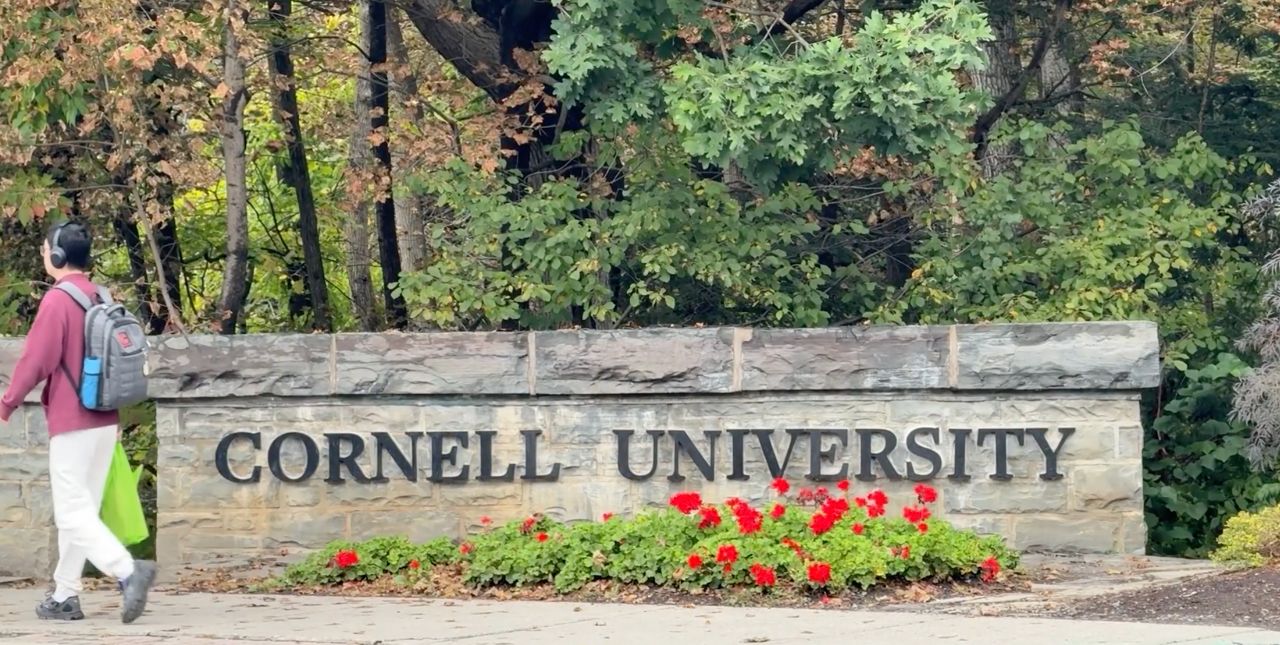
ROCHESTER, N.Y. — The high-profile investigation and civil lawsuit surrounding an alleged 2024 rape at Cornell University has sparked nationwide conversations around sexual assault, institutional accountability and safety. But behind the court filings and headlines, crisis centers across New York are facing a dual challenge: a surge of survivors reaching out for help at the exact moment state funding cuts threaten the very lifelines they rely on.
Community advocates note that when major assault cases make headlines, it frequently gives survivors the courage to come forward. For many, however, watching these legal battles unfold can re-trigger deeply buried trauma.
“I felt physically ill. And I felt that it was triggering,” said local survivor Yohanna Maceo-Swinton.
Maceo-Swinton’s experience highlights why immediate, confidential support is critical and how frequently the legal system fails victims of abuse.
“The stereotypical ‘jumps out of the bushes and grabs you’ — it wasn’t anything like that,” Maceo-Swinton said. “I was 13, he was 26. Then it happened again when I was 15. We went to a college party. And the next morning I woke up and I was in my underwear, and I was face down in the middle of the living room with a child’s blanket over me. Not one time, not ever, have I ever been believed or been advocated for, or the only ones who advocated for me were other women who were going through the same thing because we knew, but nobody was listening to us.”
“We’ve been demonized and villainized. So because we were demonized and villainized, and a lot of the men that were doing these things were doctors and engineers and attorneys and clergymen and teachers. And so these were men who had position, who had some power, some had money, some just had a good standing in the community. They weren’t going to listen to us. I wanted to be for somebody else what I begged for when I was going through what I was going through, and the only way I knew how to do that was to be transparent with my story,” she added.
Like many victims of sexual violence, Maceo-Swinton faced overwhelming barriers when it came to reporting the crime and getting medical care.
“The second time it happened to me, and I found out I was pregnant, my biological mom took me to the doctor,” Maceo-Swinton said. “Now, mind you, I was assaulted on Dec. 23. She didn’t take me to the doctor until Feb. 14. And the doctor said, ‘Well, you’re pregnant, and B, there’s no signs of assault.’ And that was the end of it.”
The physical, emotional and even financial toll of sexual assault and violence can create complex challenges for survivors navigating recovery.
“It can be a really complex issue to talk about,” said Meredith Ouderkirk, RESTORE Sexual Assault Services public affairs director for Planned Parenthood of Central and Western New York. “A lot of the time when we talk about the impacts of sexual abuse, we’re thinking about it emotionally and physically. We do also see financial impacts that people have when they are attempting to seek medical care. They might have unexpected expenses associated with the crime that’s been committed against them, property damage, things like that. And so, there are systems through the Office of Victim Services and our state can reimburse a person for costs that they’ve incurred and difficulties. And that’s another piece of the services that we provide assistance with navigating that situation and that system.”
Facilities like RESTORE provide critical safety nets, including 24/7 hotlines, emergency counseling and hospital advocacy. Even throughout its website, users have an option to quickly close the tab to ensure additional safety measures when researching its resources.
However, the financial strain is hitting support facilities just as hard as the victims they serve. Rape crisis programs across New York state are currently confronting a 34% reduction in victim service funding.
“It’s so vital that we are receiving adequate funding because we are not seeing any reduction in the need for our services,” Ouderkirk said. “At the same time, we’re receiving a 34% reduction in the award associated with being the certified rape crisis center for five counties. We’re seeing consistent service levels for increases in some areas. We are a crisis service. We don’t have the ability to tell a survivor, ‘hey, we don’t have the funding for you to answer your call today. Come back in a month and see.’ We need to be there when survivors and community members are in a window of bravery or comfort or ability to reach out. And so it’s so integral that we’re able to keep consistent funding as a nonprofit. We’re used to being asked to do more with less — that’s normal. But this kind of reduction that we’re facing is just unsustainable long term. And so it’s so important that we are ensuring that our services, child advocacy center services across the state, are adequately funded.”
Advocates warn that without adequate state funding, crisis centers worry they will not have the capacity to answer the call when survivors find the courage to speak up.
“Hearing other women say ‘it happened to me,’ and ‘it happened to me,’ and it wasn’t just women like me,” Maceo-Swinton said. “It was Sunday school teachers, and it was kindergarten teachers, and it was the popular girl at school. And it was the lady who owns the store down the street. And it was just this sisterhood that we all created a safe space for each other to just do what we used to call emotional vomiting. Just let it out. But you have to step out. You have to say something, and you have to keep saying something till someone listens. Seek out organizations. Seek out survivor organizations. Even if you just tell one person, talk about it. Get the help that you need to get through it. Please don’t suffer in silence because you don’t have to. You have a voice, and you have a lot of big sisters out there who are willing to stand alongside you.”
If you or someone you know has experienced sexual assault or abuse, confidential support is available around the clock:
Planned Parenthood RESTORE Hotline: 585-546-2777
National Sexual Assault Hotline: 1-800-656-4673