
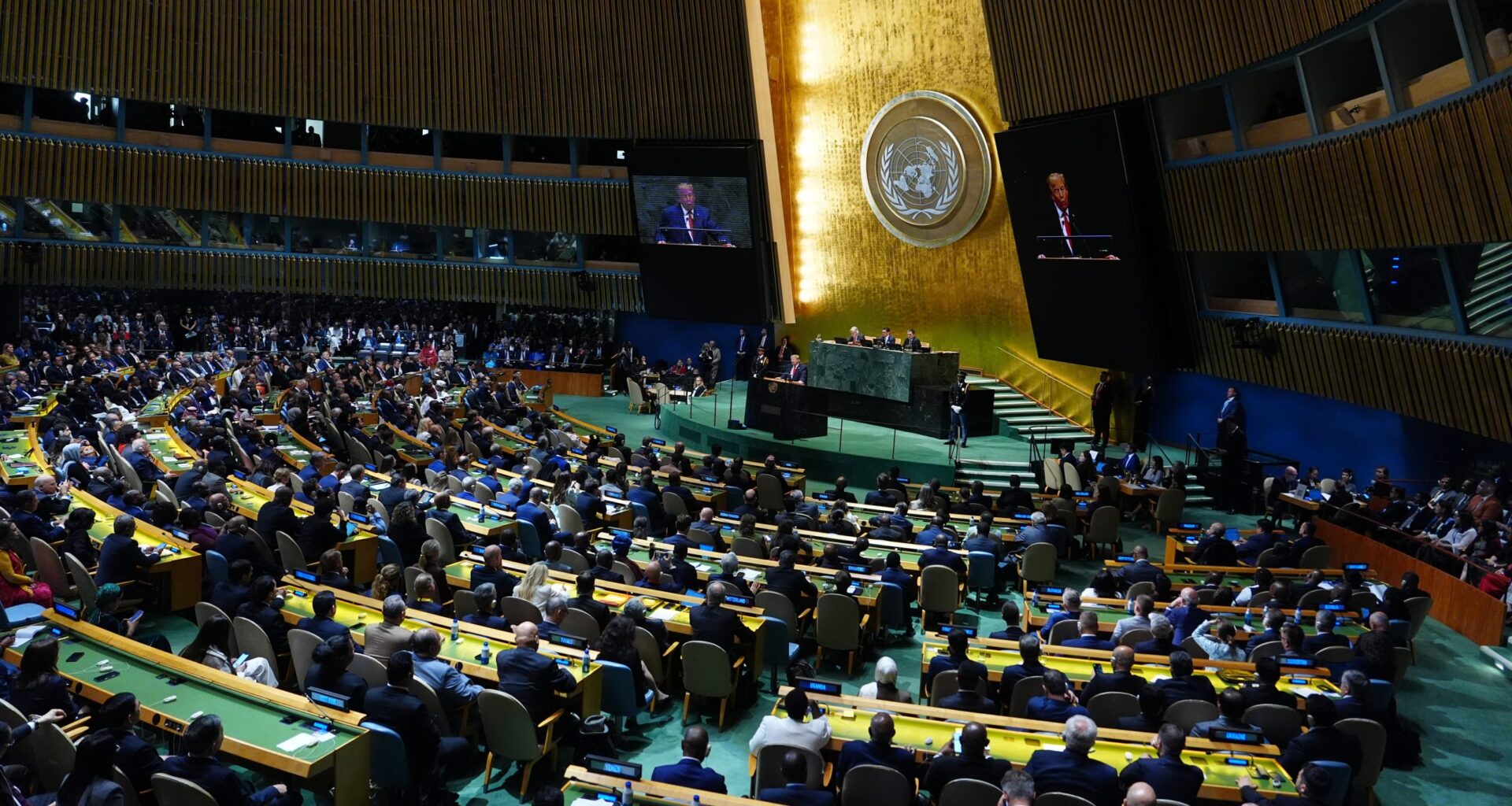
New York City had its moment in the spotlight this past week with the annual gathering of the United Nations, as leaders from virtually every nation and corner of the world descended on the city, with only a handful of exceptions.
Speeches, statements, mutual praise, mutual jabs, threats, responses to threats, declarations, applause, embraces, condemnations, and a bottomless well of hypocrisy—in other words, a little bit of everything. It was enough to make any thinking person wonder: Can this really be the “serious” forum of the international community?
On the other hand, this entire spectacle of words and posturing may actually prove beneficial to the leaders themselves and, consequently, to the countries they represent, because it can serve as a form of “release” for the tensions and hostility that have accumulated over time.
“Release” is important for human beings—not only in political matters, but in many areas of life in which emotions and tensions are suppressed and allowed to build. Psychological counseling, or simply “counseling,” as it is more commonly known, is based in part on this very idea: that expressing what has been held inside can bring relief and clarity.
And there is another positive side to all this: This week, New York City served, if nothing else, as a place for people to meet, interact, and communicate—to speak and engage in dialogue.
Because when the power of speech and dialogue disappears, weapons and bullets begin to speak, followed by bombs and wars—as the world is experiencing today, precisely because dialogue, understanding, and reason have too often given way.