
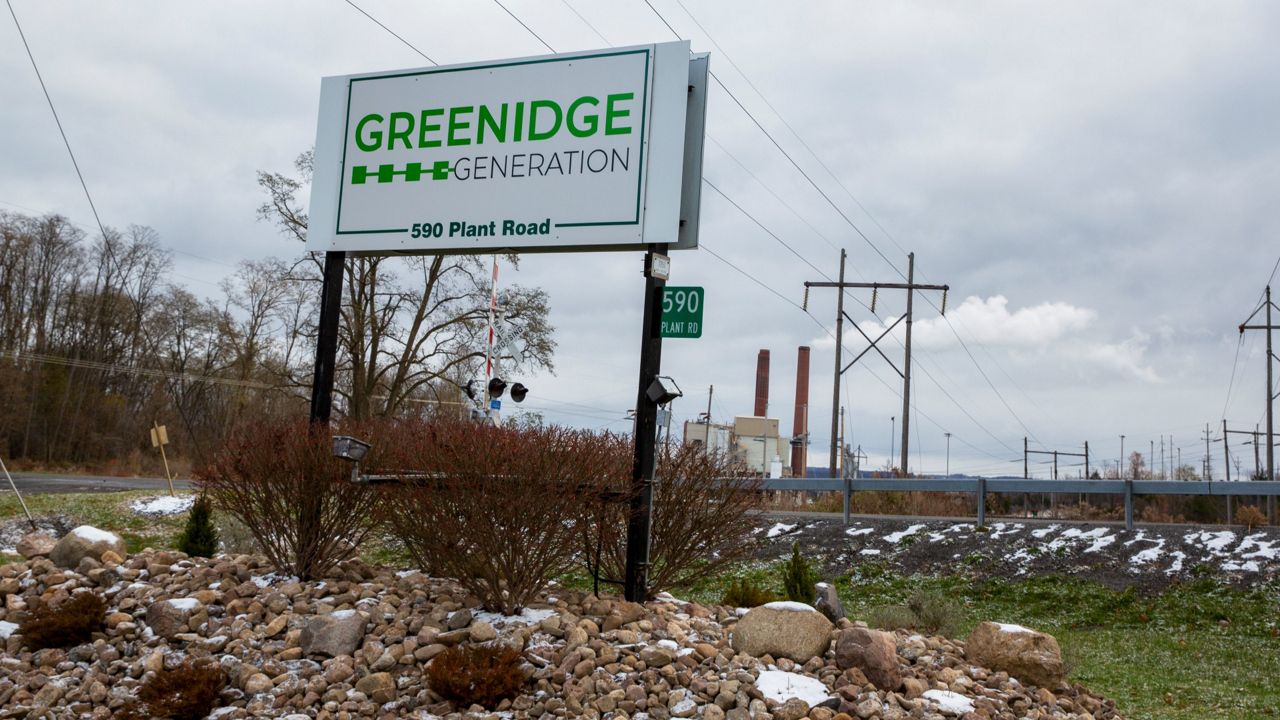
The New York state Department of Environmental Conservation finalized a binding agreement with Greenidge Generation LLC which would allow their cryptocurrency mining facility in Central New York to move forward with a controversial Title V air permit renewal.
The deal would require the company to reduce potential emissions at its Central New York plant by 44% over the five-year life of the agreement. The DEC touted the move as the end of a lengthy and costly litigation process, and an effort to bring Greenidge’s operation in line with the state’s climate policy.
“The agreement holds Greenidge Generation accountable to new proposed permit conditions that are protective of the community and brings the Greenidge facility in line with greenhouse gas and co-pollutant emissions levels consistent with the Climate Act. DEC is committed to a transparent and comprehensive permit review process as Greenidge next proposes a modification to the facility’s Air Title V renewal permit, subject to public review and comment,” the DEC said in a statement.
The current agreement will be incorporated into that final permit process and binds Greenidge to the agreed upon terms, ending the potential for further litigation.
Greenidge lauded the deal and an end to the legal tug of war over the project. President Dale Irwin lamented the lengthy legal hurdles, but commended the state for coming to agreeable terms.
“This voluntary agreement speaks to our commitment to being a responsible partner with the state – creating high-paying jobs and providing power to the electrical grid, while meeting the state’s nation-leading environmental goals. We will continue to produce badly needed power and send it to the local electrical grid, while operating our cutting-edge datacenter,” Irwin said.
Environmental advocates who had fought the crypto mining and power generation facility tooth and nail since 2022 are not pleased.
Yvonne Taylor, co-founder and vice president of Seneca Lake Guardian, and also a founding member of the National Coalition Against Cyrptomining, questioned how the company could so drastically alter its emissions when its permit was previously denied for not being able to show such a reduction was doable.
“Now it wants to add AI and a data center onto that, so how then all of the sudden they could be compliant with the climate law is incomprehensible,” she said.
Taylor also blasted the DEC and the Hochul administration for striking the deal in nearly the same breath as they approved a controversial natural gas pipeline supported by the Trump administration late last week.
“At a time when she should be standing up for our bold climate law that many New Yorkers fought so hard for, instead, she just gutted the law,” she said.
As it relates to the pipeline, Hochul stressed to Spectrum News 1 a need to “govern in reality”.