
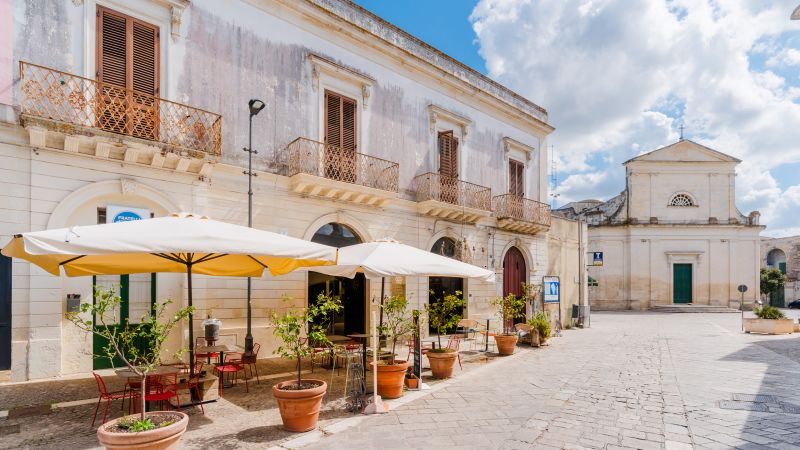
Trading Manhattan and Miami for a tiny village in deep southern Italy is not your standard relocation move. But when creative designer couple Michou Mahtani and Thomas Fuchs purchased and restyled an ancient palazzo in Puglia, they were chasing a simpler, more fulfilling existence.
And that’s precisely what they found. The home furnishings entrepreneurs settled in Sogliano Cavour, a quiet municipality in the heart of the Salento peninsula between Lecce and Gallipoli, and the Ionian and Adriatic seas. Far from the touristy beaches but connected enough for daily convenience, the community proved to be their ideal place.
The two designers say they weren’t trying to escape the United States, but wanted to seek a more authentic and inspirational lifestyle in a location where traditional craftsmanship is still alive. Mahtani, 53, first fell for Italy while studying in Florence as a teenager in the late 1980s, but when he visited with Fuchs, 62, in 2010, the pair realized Italy offered them the possibility to achieve what they dreamed of.
“Like many visitors, we initially came expecting beautiful beaches and food, but what captivated us was the authenticity of everyday life,” Mahtani, speaking on behalf of the couple, tells CNN.
Avoiding popular locations, the couple explored dozens of villages in search of the right place, at one point rejecting a remote farmhouse because it didn’t offer them walking-distance access to a doctor, pharmacy and supermarket.
Eventually, they purchased a 3,200-square-foot, late-18th-century aristocratic palazzo for 250,000 euros, or about $280,000. They sold their properties in Miami and New York, where they had divided their time, and made the move.
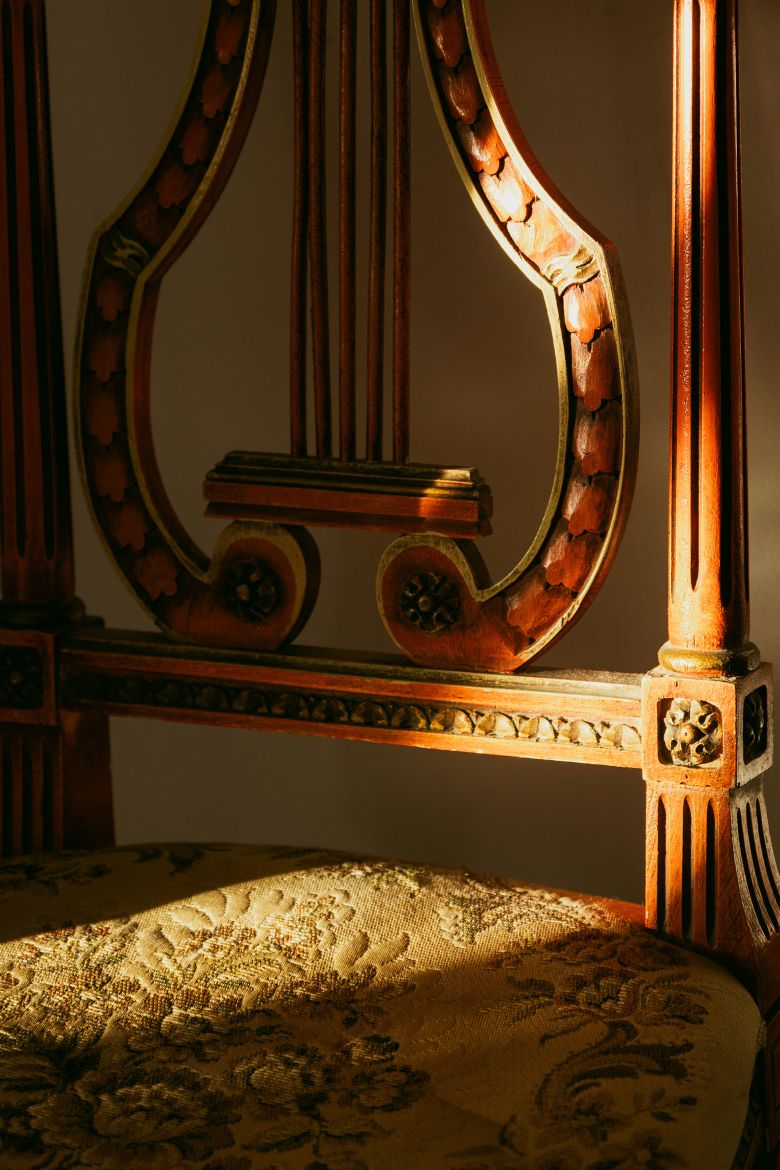
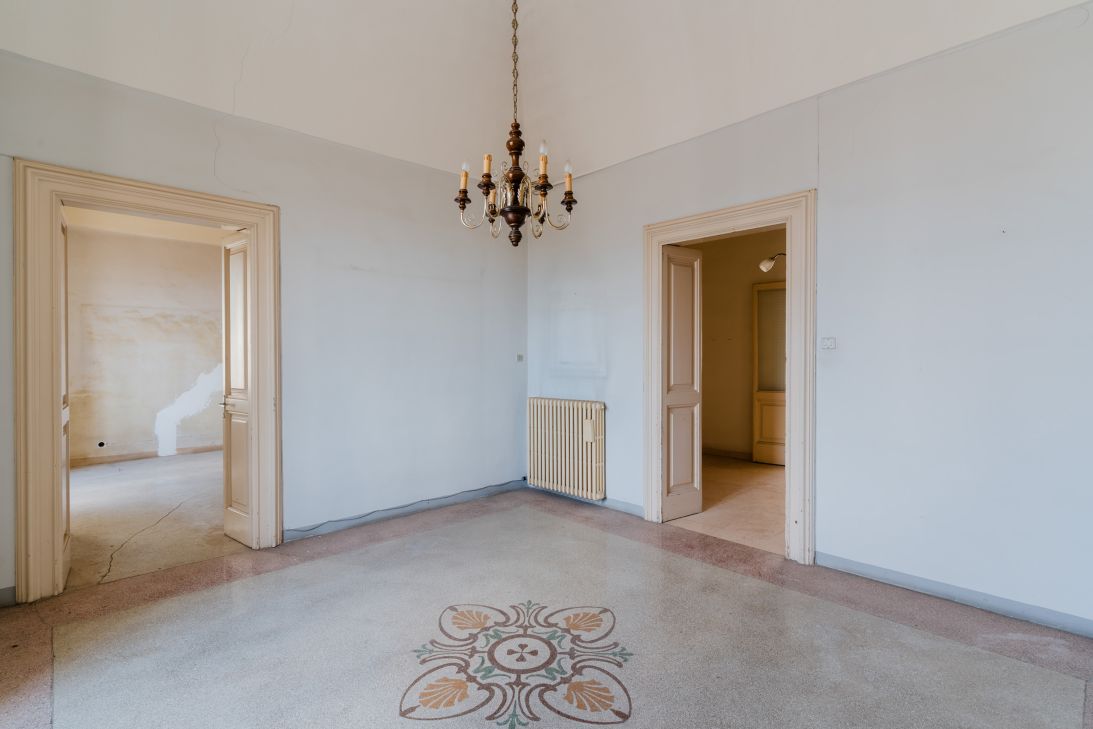
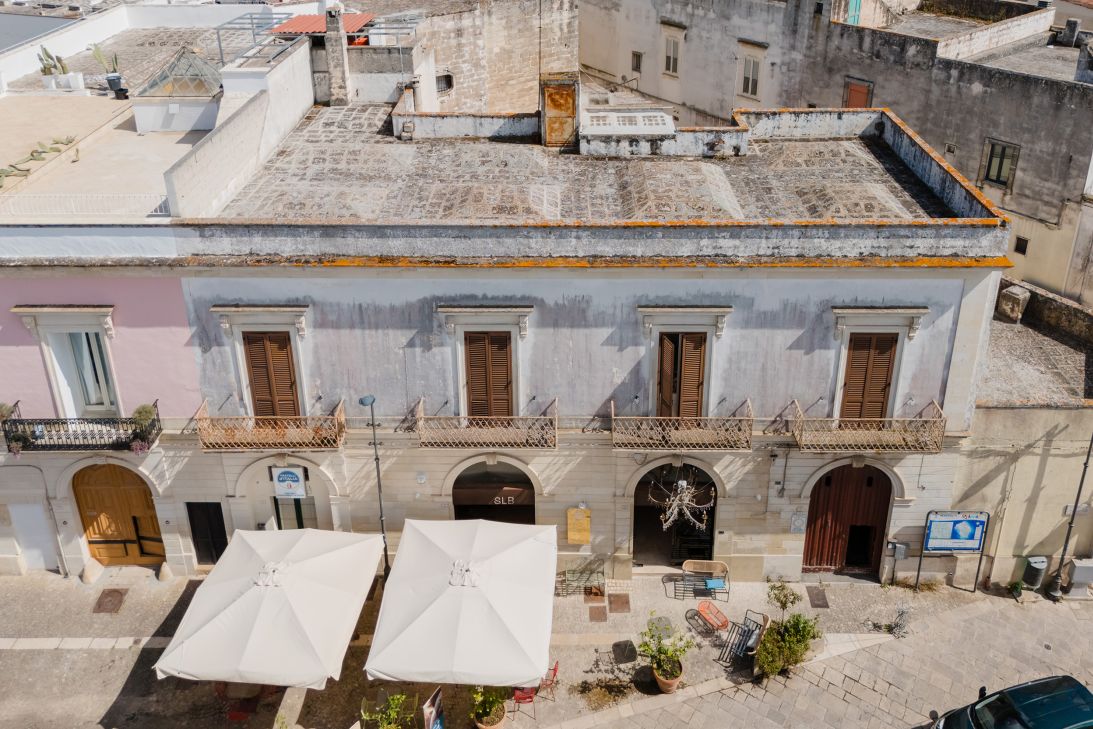
Another 350,000 euros (about $390,000) were spent on renovations aimed at preserving the historic charm of the three-story property, which has four rooftop terraces overlooking church bell towers, original barrel-vaulted ceilings and thick limestone walls. They hired local craftsmen in an effort to help the village’s economy and sourced antique furniture, ceramics, stone and linens from nearby artisans.
“Our goal was for the house to feel unmistakably Italian, not decorated, but deeply rooted in its surroundings,” says Mahtani.
Moving away from the classic all-white aesthetic of buildings in Puglia, their palazzo is painted in blues, greens and oranges. The front door is painted a high-gloss deep sea blue, and there are orange chairs bought from local flea markets.
“The house has reinforced our belief that luxury isn’t about filling a home with expensive objects,” says Mahtani. “It’s about surrounding yourself with pieces made by people whose names you know, whose workshops you’ve visited, and whose families have practiced their craft for generations.”
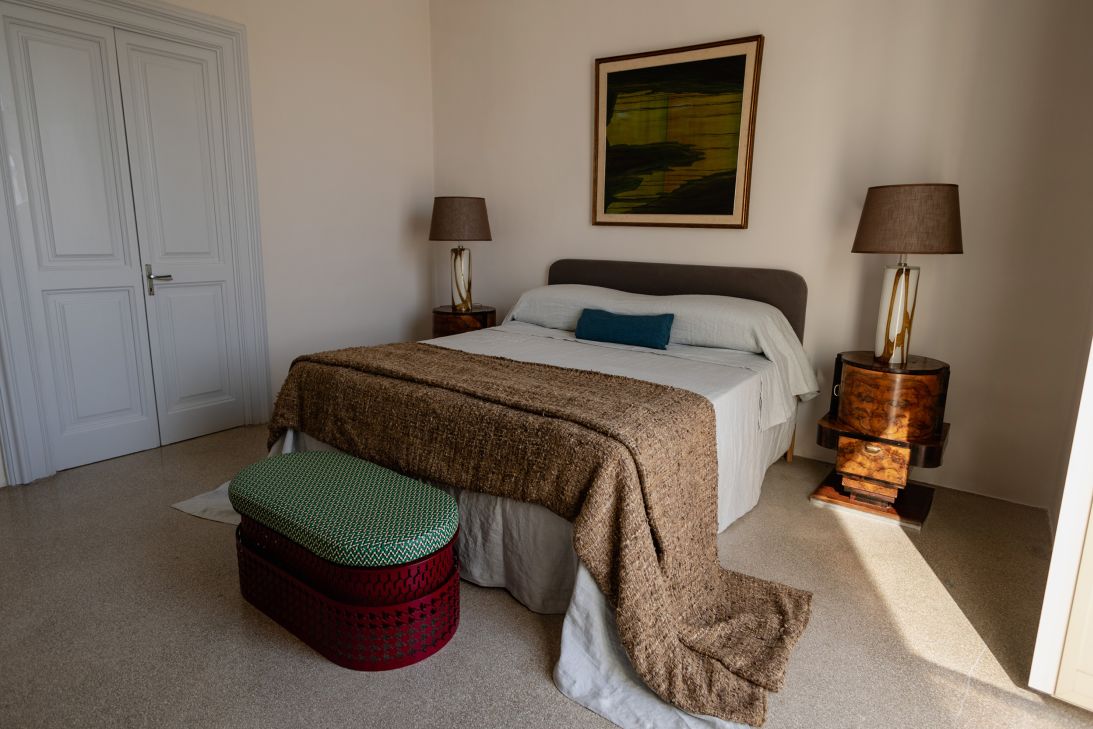
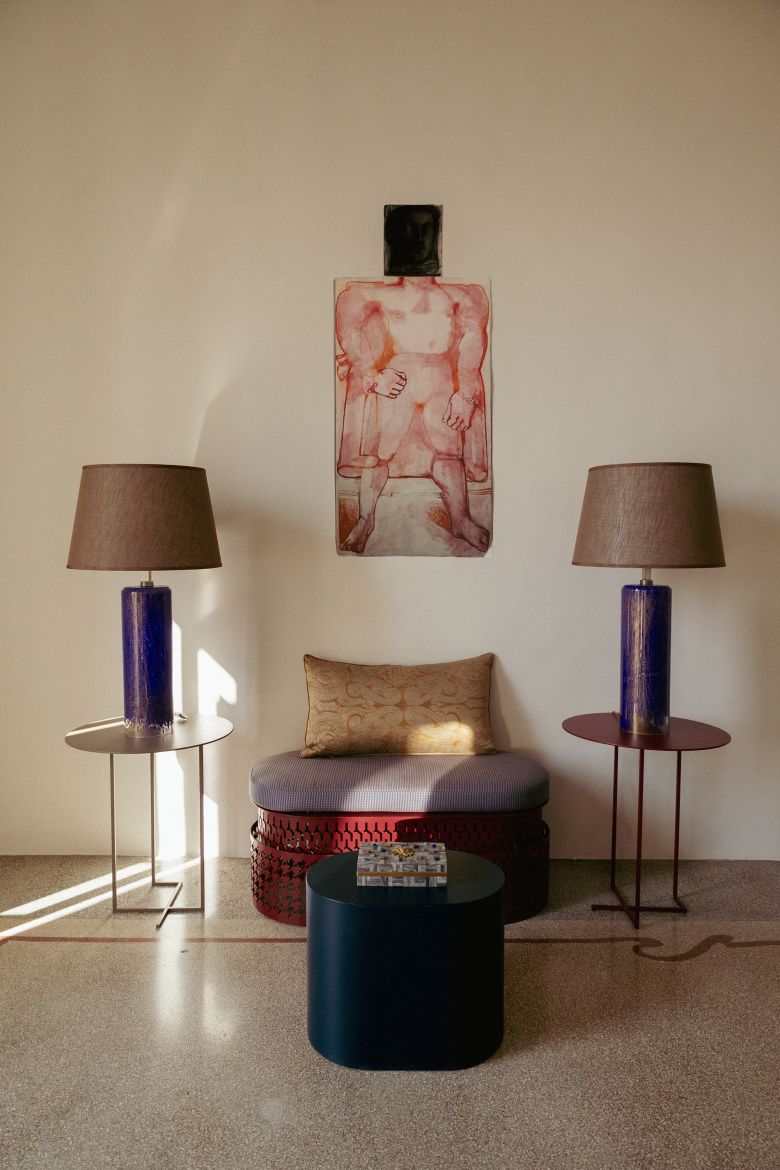
The couple says the renovation has become a key source of inspiration for the commercial designs they make for their joint business. They’ve created a softer palette for their products, inspired by Salento’s warm limestone, deep Mediterranean blues, olive greens, terracotta and soft whites.
“Living inside a 19th-century Italian palazzo has changed the way we think about scale, proportion, texture and light,” says Mahtani.
“Throughout the day, sunlight moves across the limestone walls, creating constantly changing colors and shadows that influence everything from our textile palettes to future lighting collections.”
The primary catalyst for their Italian move was a desire to slow down from the frenetic pace of their previous life.
“The pace of American business had become relentless,” says Mahtani. “We wanted to create a life where beauty, community, craftsmanship and human connection were part of every day instead of something squeezed into weekends. Puglia offered exactly that. It remains authentic, deeply rooted in tradition, and surprisingly affordable compared to many parts of Italy.”
Over the past 13 years, they visited dozens of towns throughout southern Italy before finding Sogliano Cavour.
What immediately struck them was that it wasn’t a tourist destination. It was simply “living its life” with children playing in the piazza, lively chats and church bells marking the rhythm of the day.
That outdoor vibe reminded Mahtani of the close-knit community and sense of belonging he experienced growing up in Jamaica.
While their business was thriving in the US, tariffs and post-Covid inflation made them realize that, since most of their collections were manufactured in Italy, it made sense to move to the country of production while they were still working, instead of waiting for retirement.
“We realized we were constantly designing beautiful lives for other people while postponing our own,” says Mahtani. “We didn’t need a bigger house or more possessions, we needed more meaningful moments.”
The move wasn’t about leaving America, he adds,”It was about creating balance.”
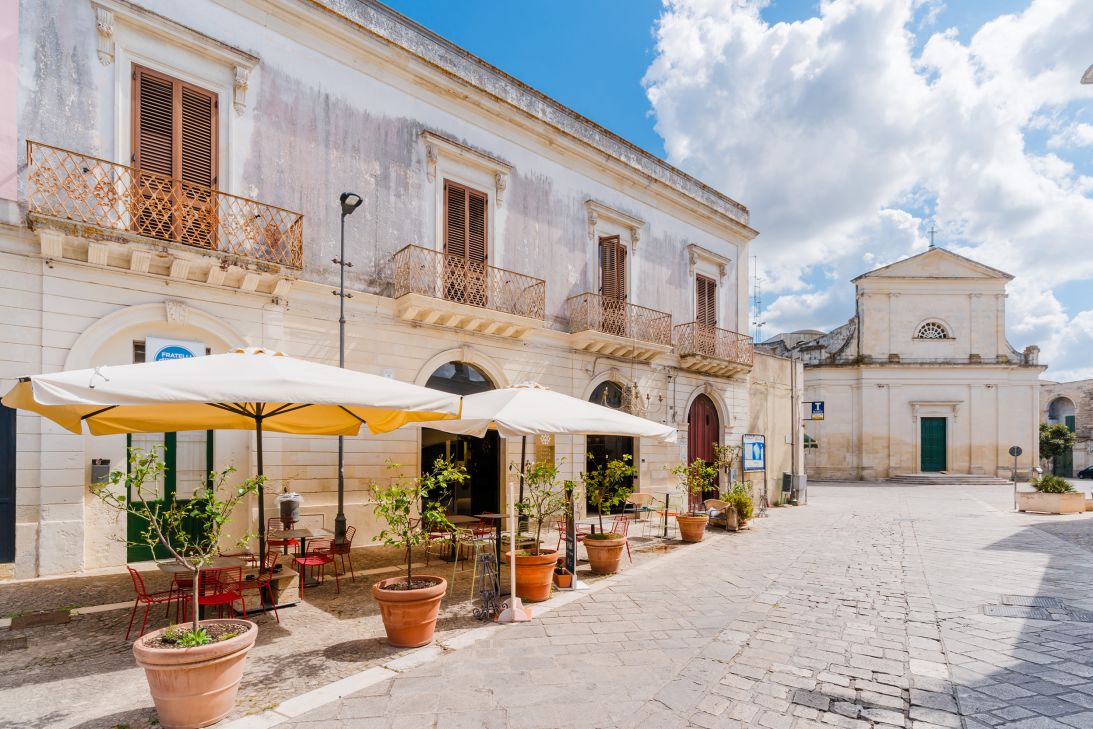
“In New York and Miami our days were filled with meetings, traffic, elevators, deadlines and constant movement. Here, our front door opens directly onto a historic piazza where church bells replace sirens and neighbors stop to chat every morning,” says Mahtani. “Life feels slower, but somehow richer.”
In contrast to having to negotiate glass skyscrapers and pollution, their days are spent among centuries-old stone architecture under “endless blue skies.”
Typical mornings start with coffee on one of their terraces, then a walk to village piazza, where they stop at the local café, buzzing with residents. Then they return to work at their house, which doubles as their creative studio. Evening meals cooked with simple fresh ingredients are eaten on the terrace at sunset.
On several afternoons each week, they explore local beaches, visit local markets, antique fairs, meet ceramic artists and discover new villages in the hunt for “architectural inspiration.” They also enjoy diving into Puglia’s culinary world at food fairs and traditional taverns.
For Mahtani and Fuchs one of the toughest parts of renovating the old property was maintaining its original character while integrating contemporary comforts such as new electrics, plumbing, insulation, air conditioning and custom kitchens. The house had been vacant for many years before they purchased it, and although it was structurally sound, it needed an upgrade.
And renovation brought its own problems, not least adapting to working practices in Puglia, where things are done differently from efficiency-oriented America.
“In southern Italy, relationships come first,” says Mahtani. “It was crucial to spend time getting to know builders, electricians, stonemasons and cabinetmakers. Trust develops over coffee rather than emails. There is certainly more paperwork and patience required, but once you understand the rhythm, the process becomes incredibly rewarding.”
Another challenge was coordinating different trades. In the US, one contractor often manages an entire project, but in Italy, individual specialists handle different aspects of the work. That means they had to coordinate electricians, plumbers, stone craftsmen, carpenters, painters and window installers separately.
Although supply delays and adapting to a different pace required patience, there was no language barrier. Mahtani has the advantage of speaking fluent Italian, unlike many foreign buyers.
Tackling Italian bureaucracy was also tough, particularly when it came to getting the needed permits, navigating historical regulations, and setting up utilities.
But the couple were pleasantly surprised that many construction costs in Puglia are significantly lower than in the US.
While their work still occupies much of their day, in Sogliano Cavour it’s integrated into life rather than “competing with it.”
The pair, who have Italian residency visas, enjoy “unhurried” lunches and slow evenings on their terrace often spent just listening to church bells that mark the passing of the hours.
“There’s a profound sense of community here that we rarely experienced in American cities. Time feels richer,” says Mahtani.
“Ultimately, moving to Puglia wasn’t about finding a beautiful house. It was about finding a more beautiful way to live.”