
3:25 PM | Thursday, October 8, 2026
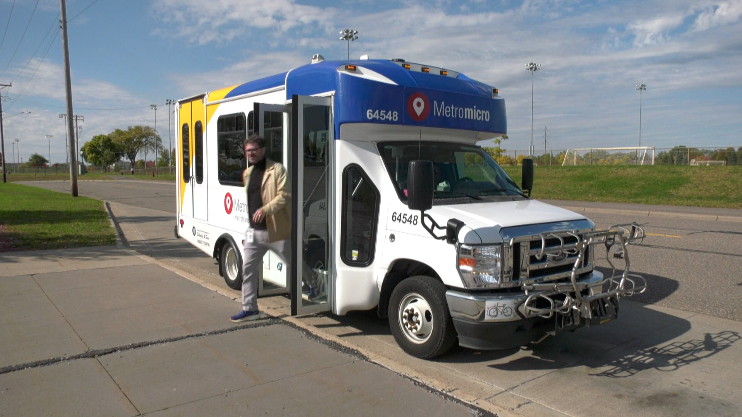
Most commuters are familiar with rideshare platforms like Uber and Lyft, but Metro Transit is now offering its own public alternative in Brooklyn Park.
On Oct. 1, Metro Transit launched Metro Micro in Brooklyn Park. It’s an on-demand rideshare service designed to bridge the gap for residents who don’t own cars or need more flexible travel options than traditional bus lines provide. Brooklyn Park marks the sixth area in the Twin Cities region to receive the service.
How Metro Micro Works
Unlike fixed-route transit buses, Metro Micro operates on a point-to-point and door-to-door model within a designated service zone. Riders can request and schedule rides using a smartphone app or by calling (651) 602-1170 to book by phone
Buses do not follow set schedules or fixed loops. Instead, they respond directly to rider requests. Rides cost the same as a standard Metro Transit bus fare, ranging between $1 and $3.25 depending on the time of day.
While Metro Micro will not take passengers directly into downtown Minneapolis, it can connect riders to major Brooklyn Park transit hubs, allowing seamless transfers to regional routes.
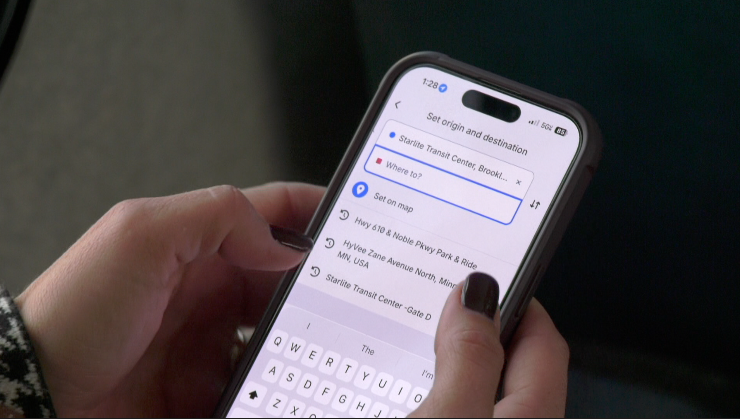
Brooklyn Park residents can order a Metro Micro ride through a smartphone app.
Meeting Local Demand
Local leaders say the addition of Micro addresses long-standing transportation challenges in the area.
“Brooklyn Park is an area that is heavy on transit riders that don’t own cars, and it also is very spread out,” said Metropolitan Council Member Reva Chamblis, who advocated for expanding the service into the region. “The demand has been there. We really wanted to make sure that people could get in and around the Brooklyn Park area, as well as getting to their key destinations, like downtown Minneapolis.”
For drivers on the front lines, the personalized nature of the service creates a direct connection with the community.
“My work before this was community work. I work for nonprofits and that is something I’m super passionate about,” said Kirstein Girdy, a bus driver for Metro Micro. “Being able to provide a service that is assisting community members—I mean, it fills my cup.”
Girdy noted that early passengers have already expressed relief at having an affordable, reliable option that doesn’t depend on family or private rideshare apps.
“This is a little bit more cost-effective, and then they get to go where they want to go, when they want to get there,” Girdy added.
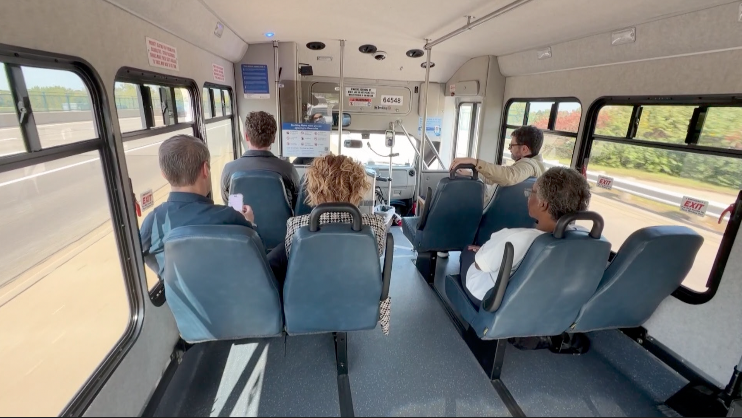
Passengers on a Metro Micro bus will likely share rides with other people on the way to their destination.
What’s Next?
Metro Transit plans to roll out Metro Micro to several additional Twin Cities communities by the end of next year, though no additional expansion zones in the northwest metro have been announced yet.
Related: Metro Transit Proposes New Bus Route Serving Plymouth, Golden Valley