
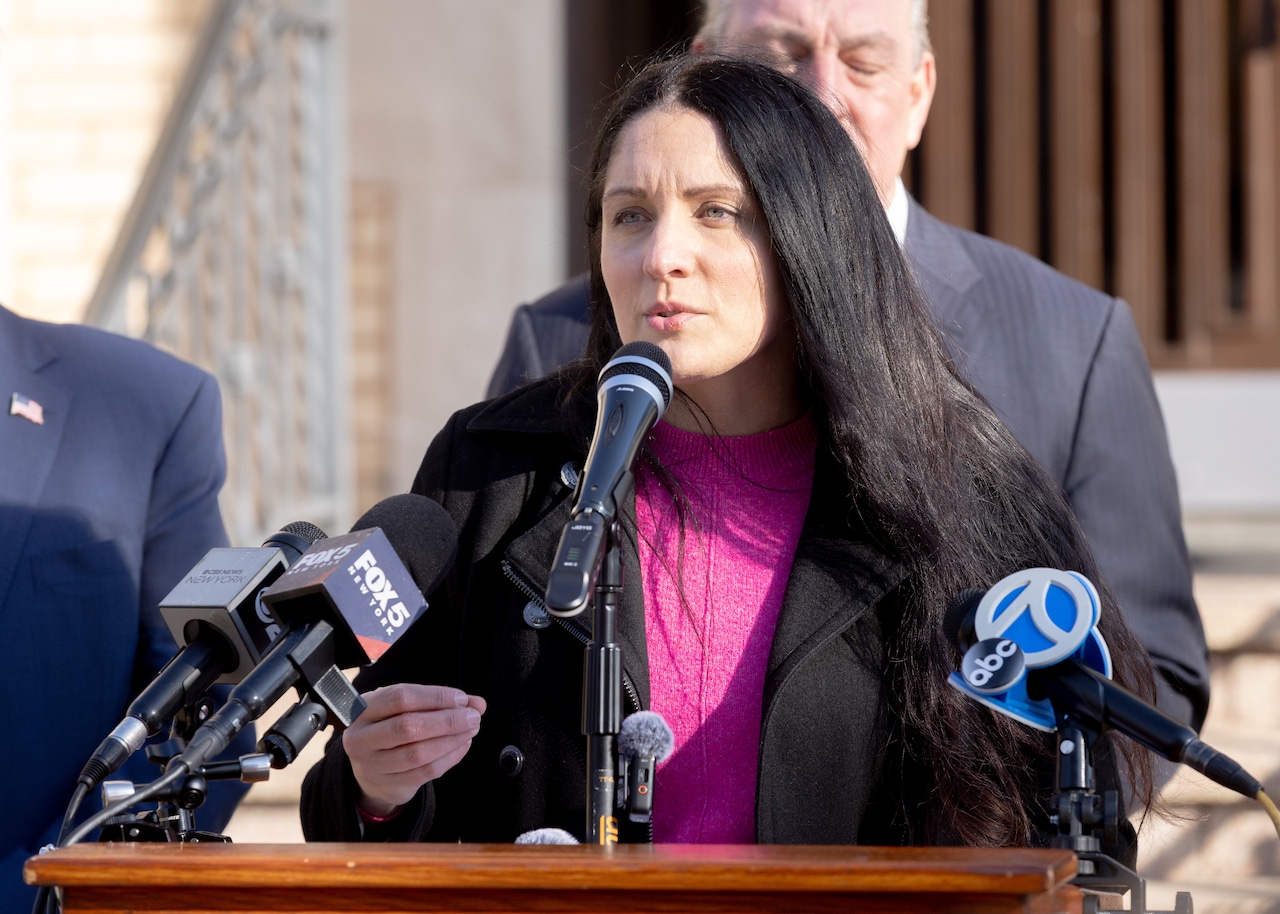
STATEN ISLAND, N.Y. — Moved by the stories chronicled in the Staten Island Advance/SILive.com’s ongoing series “Cancer on Staten Island: The Search for Why,” state Sen. Jessica Scarcella-Spanton said she plans to push for state funding for a comprehensive study into the borough’s persistently high cancer rates.
“We have heard stories of recovery. We have heard stories of people who have had relapses with their cancer. We have heard people who have had different types of cancer. I think that we owe it to those people, the people behind those stories, to figure out why this is happening,” Scarcella-Spanton said on Friday.
The senator, a Democrat representing Staten Island’s North Shore and part of Brooklyn, also plans to renew her push for legislation requiring insurance companies to cover colonoscopies beginning at age 35. Current federal guidelines recommend that adults at average risk begin colorectal cancer screening at age 45.
That proposal was inspired in part by the battle of longtime friend Heather Candrilli, a 37-year-old mother and Staten Island native diagnosed with Stage 4 colon cancer despite having no family history of the disease, she said.
Highest cancer rate in NYC
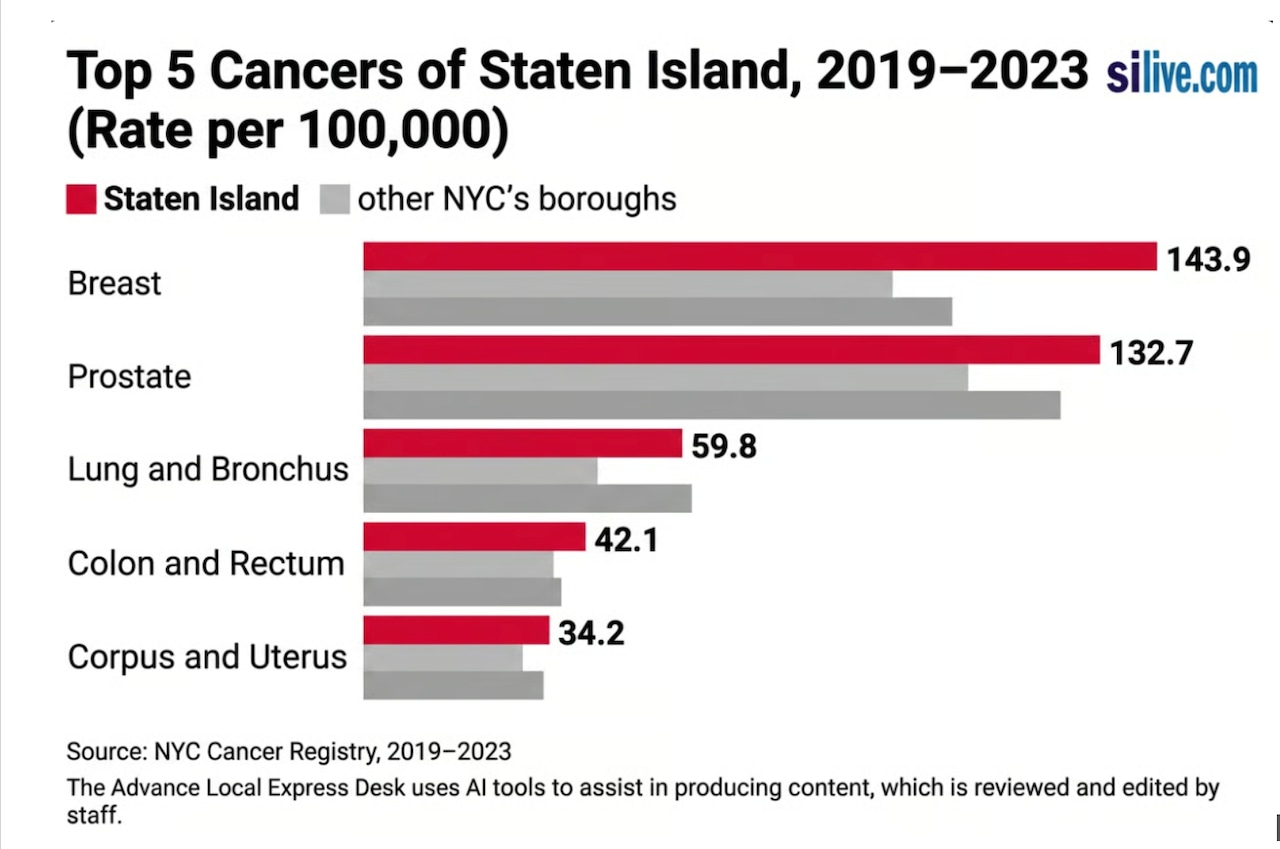
The Advance/SILive.com series has documented a troubling reality: Staten Island has the highest overall cancer rate in New York City, with particularly high rates of lung, colorectal, breast, thyroid and prostate cancers.
Across all cancers, Staten Island’s rate is 513.3 cases per 100,000 people — about 21% higher than the city average and significantly higher than any other borough, according to 2019-2023 data from the New York State Cancer Registry.
The reporting has also examined decades of concerns about possible environmental connections, including the former Fresh Kills and Brookfield landfills, air pollution and other exposures, while finding that existing research has not established a single cause for the borough’s elevated cancer rates.
What has also emerged is a significant gap: Despite Staten Island’s persistently high cancer rates, no comprehensive study has examined cancer across the borough as a whole to determine what may be driving them. Researchers interviewed for the series said getting closer to answers would require a major, long-term scientific effort.
Scarcella-Spanton said that is precisely why she believes the state needs to act.
“The study can dictate how we do better,” she said. “Are there environmental factors? What environmental factors are there? And then we can look at it from a government perspective of what we can do better to serve the people of Staten Island … that is how I see it.”
Scarcella-Spanton stressed that her heightened focus on Staten Island’s cancer rates has been shaped by her personal relationships with Staten Islanders battling cancer and the stories she has read in the Advance/SILive.com series.
Calling the stories of Staten Islanders lost to cancer or battling and recovering from cancer “alarming,” the senator said she was definitely going to prioritize securing funding for a study.
Two ‘big asks’
Scarcella-Spanton has co-authored the bill (S-5302) for colorectal cancer early detection beginning at age 35 with state Sen. Christopher J. Ryan of Central New York. State Assemblymember Charles Fall, a Democrat representing Staten Island’s North Shore, Lower Manhattan and parts of Brooklyn, is the sponsor of the bill (A-4029) in the Assembly.
“My two big asks this year are going to be lowering the age for colon cancer screenings and also trying to get money for a (cancer) study … a really comprehensive study, on Staten Island,” Scarcella-Spanton said. “I think that if we do (the screenings push) it, in conjunction with the study, really fits nicely, hand-in-hand.”
Both the study and the colonoscopy bill are pressing issues, she said.
“The statistics back up the need for this legislation,” she said of the need for colonoscopies in younger patients. “We’re seeing not just here on Staten Island, not just here in New York, but a national problem of higher colon cancer rates in younger people. So now more than ever, I think this is something that we need to get done.”
The study, too, is critical, she said, noting that the ongoing Advance series spotlights the need.
“The study can dictate how we do better,” she said. “Are there environmental factors? “What environmental factors are there? And then we can look at it from a government perspective of what we can do better to serve the people of Staten Island … that is how I see it.”
 Cancer on Staten IslandAdvance Local Express DeskIs there an environmental link?
For decades, Staten Island residents living in the shadow of the former Fresh Kills and Brookfield landfills have traded stories — neighbors, relatives, entire blocks touched by cancer. Many believe their illnesses are tied to years spent breathing polluted air, inhaling toxins emanating from the landfills and being impacted by heavy industry and pollutants from New Jersey.
Government studies, including a July 2026 report from the New York City Department of Health and Mental Hygiene, have confirmed that Staten Island’s rates of certain cancers, including lung, colorectal, breast, thyroid and prostate, are the highest among the five boroughs.
Now, as new data and longstanding questions converge, the picture is both clearer — and more complicated than many expected.
And studies examining communities near landfills, including Fresh Kills, have found higher rates of several cancers in surrounding neighborhoods, though not in patterns consistent enough for officials to draw definitive conclusions.
Also, smoking and exposure to air pollution — especially from traffic and industrial sources — are known causes of cancer. Add to that Staten Island’s high number of first responders and 9/11 recovery workers and the issue gets more complicated.
Researchers say scientific conclusions about Staten Island’s elevated cancer rates would require a major, long-term effort.
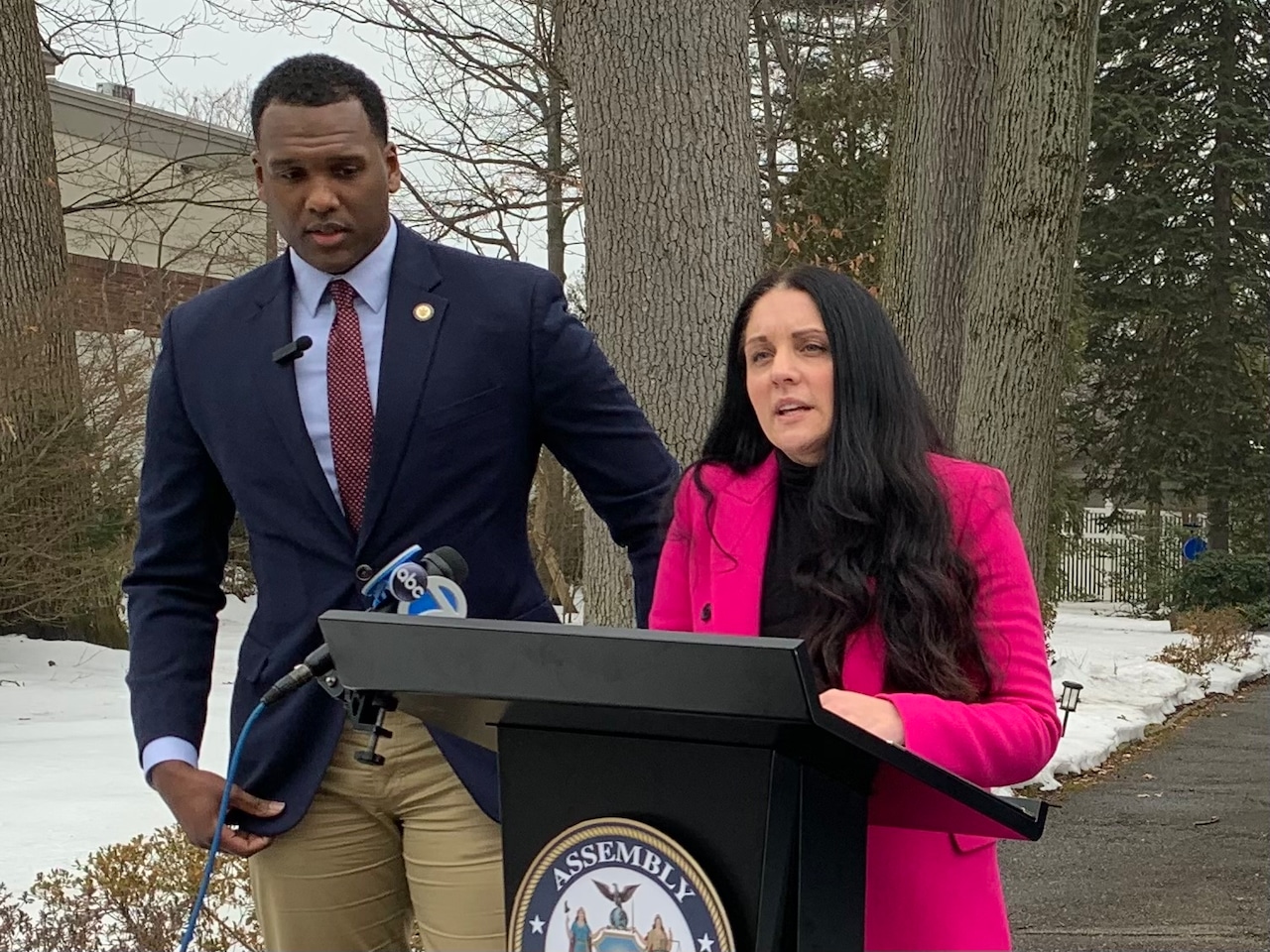 Sen. Jessica Scarcella-Spanton has co-authored the bill (S-5302) for colorectal cancer early detection beginning at age 35. State Assemblymember Charles Fall, is the sponsor of the bill (A-4029) in the Assembly.(Advance/SILive.com | Luke Peteley)
“What you would really need is a well set-up prospective study, enrolling a lot of people, preferably people you can follow over time,” Dr. Maaike van Gerwen, a Mount Sinai researcher specializing in thyroid cancer and environmental exposures, told the Advance/SILive.com in July 2026.