
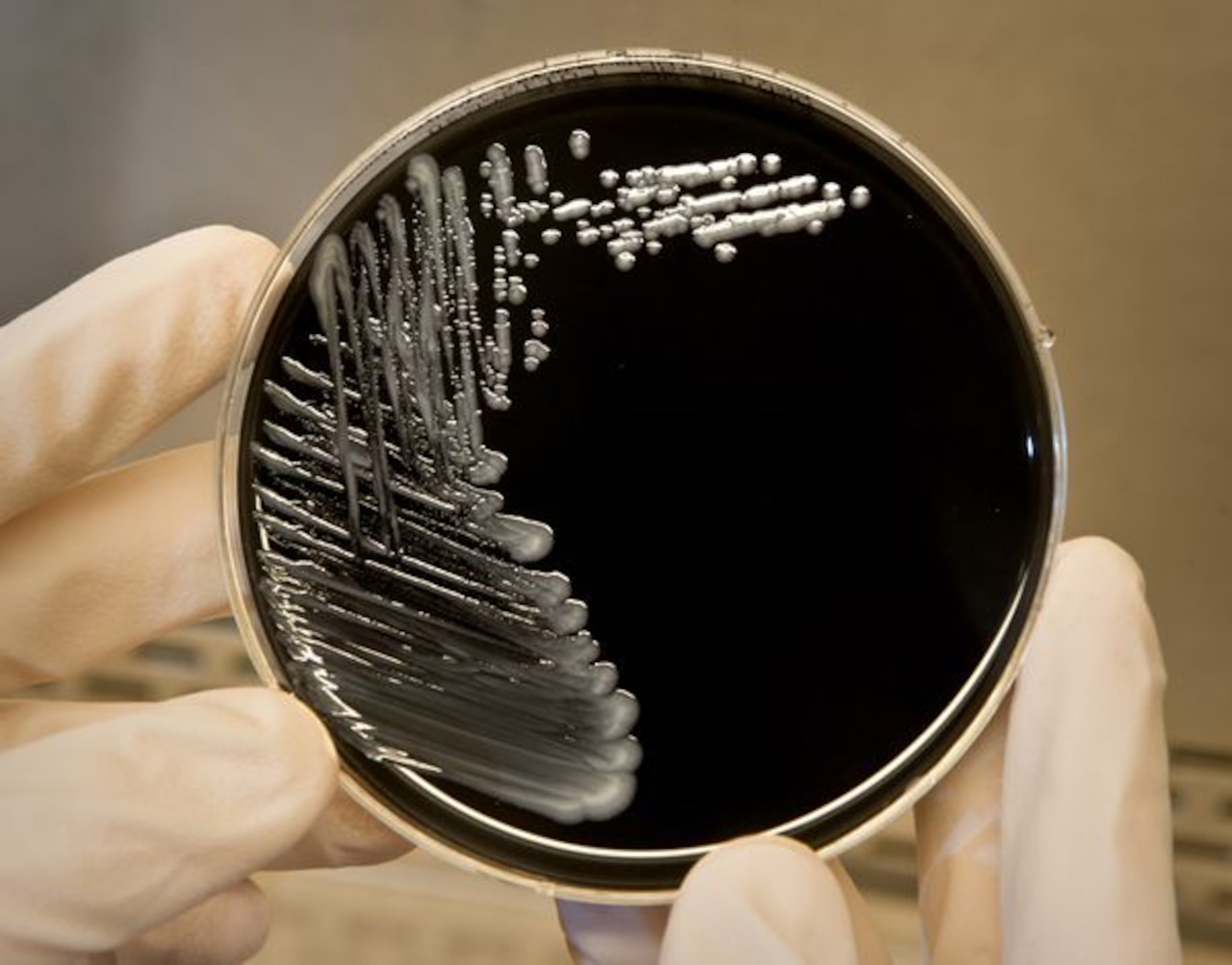
STATEN ISLAND, N.Y. — At least two St. George residents have fallen ill with Legionnaires’ disease, and the New York City Health Department says the hot water system at Castleton Park Apartments on St. Mark’s Place has tested positive for Legionella bacteria.
So what exactly is Legionnaires? And what constitutes an outbreak? The Centers for Disease Control and Prevention defines the disease as a type of serious pneumonia caused by breathing in small droplets of water that contain the bacteria Legionella. And while there is no single nationwide numeric threshold that automatically defines a Legionnaires’ outbreak, public health officials generally begin an investigation when the following criteria are met:
Two or more people develop Legionnaires’ disease and are linked to the same source of exposure, such as a building, hotel, nursing home, hospital, apartment complex, or cooling tower.Cases occur within a similar timeframe, and epidemiologists identify a likely common source.
According to the CDC, Legionella was discovered after an outbreak in 1976 among people who went to a Philadelphia convention of the American Legion. Those who were affected suffered from a type of pneumonia that eventually became known as Legionnaires’ disease.
Legionnaires’ disease symptoms — which include cough, fever, headaches, muscle aches and shortness of breath — usually develop two to 14 days after exposure to Legionella bacteria but can take longer.
Other symptoms, such as confusion, diarrhea, or nausea can also occur.
Common sources of the disease include cooling towers on large buildings, hot tubs and spas, decorative fountains, large plumbing systems, shower heads and faucets or air-conditioning systems that use water for cooling. The disease is not usually spread person-to-person.
“Legionnaires’ disease is treated with antibiotics,” the CDC explains. “Most people who get sick need care in a hospital but make a full recovery. However, about one out of 10 people who get Legionnaires’ disease will die from the infection.”
People over 50, smokers, and those with weakened immune systems are at higher risk of severe illness.
In a health guidance sheet distributed to the affected building’s residents, Andrea Howard, deputy commissioner of disease control for the New York City Department of Health and Mental Hygiene, noted that her agency is working with building management to address the issue.
“The risk of getting sick from a building’s water system is very low, especially for healthy people,” the sheet said. “Legionnaires’ disease can be serious, but it is treatable with antibiotics. Get medical attention right away if you start having symptoms such as fever, chills, muscle aches, or cough, especially if you are age 50 or older, smoke, vape, or have chronic lung disease or a weakened immune system, as these groups are at higher risk.”
Residents with questions about the outbreak are encouraged to leave a message with the NYC Health Department at 347-396-4161 or communityaffairs@health.nyc.gov with their name and contact information. Visit nyc.gov/legionnaires for more information on Legionnaires’ disease and building evaluations. For help finding a healthcare provider, call 311 or 844-NYC-4NYC (844-692-4692).