
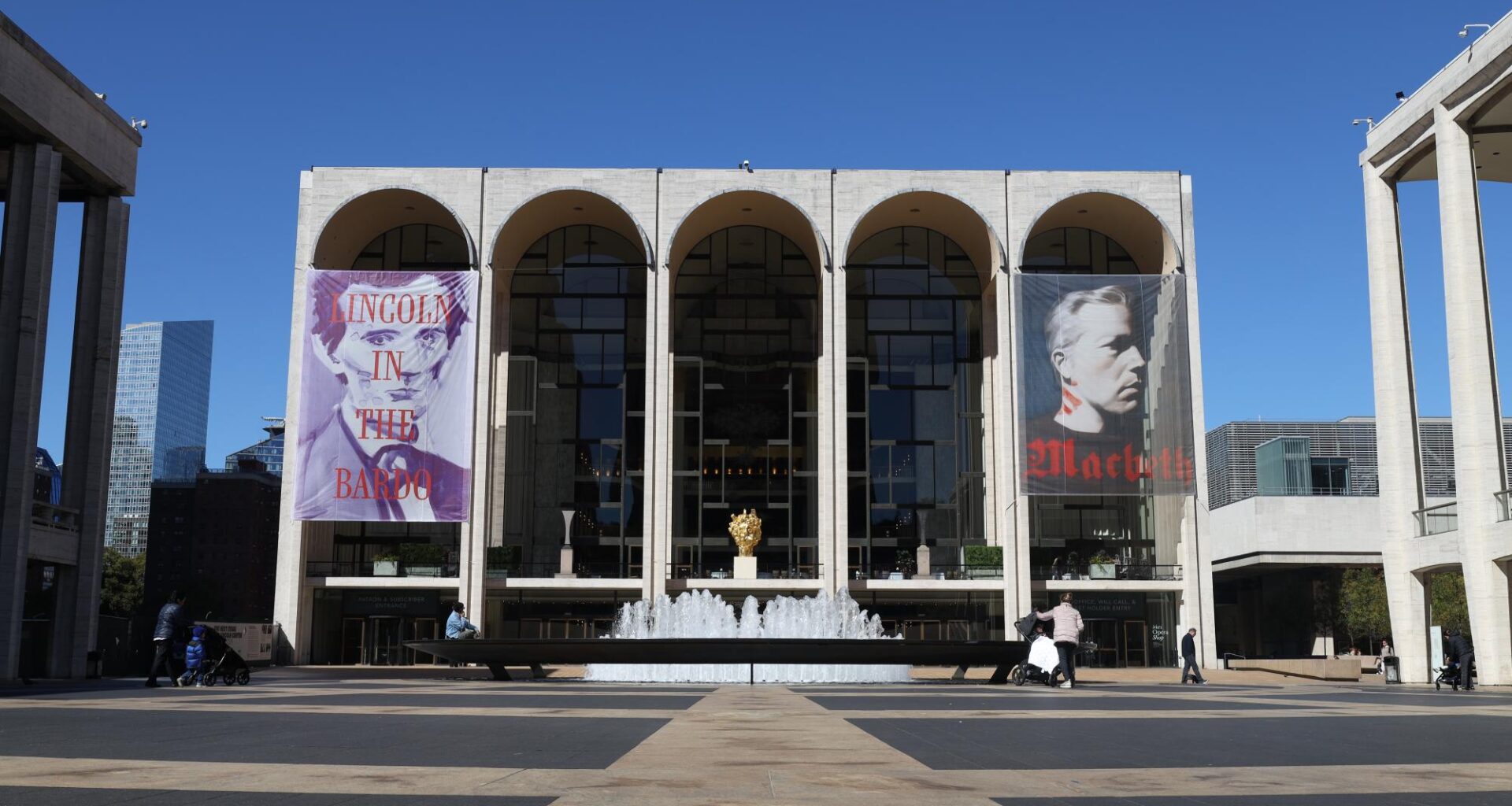
Mayor Zohran Mamdani announced “Opera for All” on Sept. 24 alongside Deputy Mayor for Economic Justice Julie Su and Cultural Affairs Commissioner Diya Vij. The program will give 70,000 free Metropolitan Opera tickets to New Yorkers who have never attended a performance
There.
The Met’s 2026–27 season runs from Sept. 22, 2026, through June 12, 2027. Each month, 10,000 tickets will be released by lottery, representing about 10% of the season’s seats, in every section except standing room. The case for the program begins with what art does for people.
Art is one of the oldest human activities. People have painted, sung and told stories for as long as they have been alive, because art helps make sense of life and existence.
An opera like “Macbeth” or “La Bohème” lets audiences sit with ambition, love, grief and loss in the company of strangers.
That shared experience is part of what it means to live among others, and everyone should have access to it.
Exposure is critical because taste is formed through experience.
People rarely come to love an art form they have never encountered, and many New Yorkers have never had the chance to encounter opera.
The obstacles are mostly practical: price, unfamiliarity and a reputation for formality that makes the Met feel like a place for someone else.
A first visit lets a person judge it for themselves. Undoubtedly, some will leave unmoved, but others will find something they did not know they were missing, and will return, bringing family and friends.
For most of history, the finest art was available mainly to those who could pay for it.
But New York has a reputation for fighting that.
In 1943, Mayor Fiorello La Guardia, helped establish City Center as a home for what he called “the people’s opera,” with tickets from 75 cents to $2.
The Metropolitan Museum of Art still lets New York residents pay what they wish.
“Opera for All” continues that tradition. The program also demonstrates what government can do with the tools it already has.
The Metropolitan Opera provides the seats.
The city promotes the lottery through NYCHA, public schools, libraries, the Department for the Aging and CUNY.
These agencies already reach the New Yorkers least likely to buy a ticket on their own.
The Met is in financial difficulty and has launched a $1.5 billion fundraising campaign called “Make the Met Forever,” so it gains new audiences and City Hall’s support.
Because both sides benefit, the arrangement is likely to last, and the Met has committed to continuing it in future seasons.
70,000 tickets will reach only a fraction of a city of more than 8 million.
Housing and transit remain more pressing problems, and they require structural solutions that a ticket lottery does not affect.
As a first step, the program is a sound one.
A city that takes art seriously as part of a good life should keep looking for ways like this to bring more people into the room.