
(NewsNation) — If you want synthetic kratom in New York, you may not have to look very hard. Sometimes all you have to do is ask the person behind the smoke shop counter.
The product, nicknamed “gas station heroin,” is under new scrutiny across the country. In Mississippi, a drug task force is urging people to avoid kratom after authorities found packages of it while investigating the deaths of two University of Mississippi students, though officials say they have no confirmed evidence that the substance played a role.
In New York, the strongest form of the drug remains on store shelves or behind the counter at more than 50 smoke shops, convenience stores and dispensaries, according to a New York Post investigation.
Kratom warning: Doctor explains rising toxicity concerns
What is kratom?
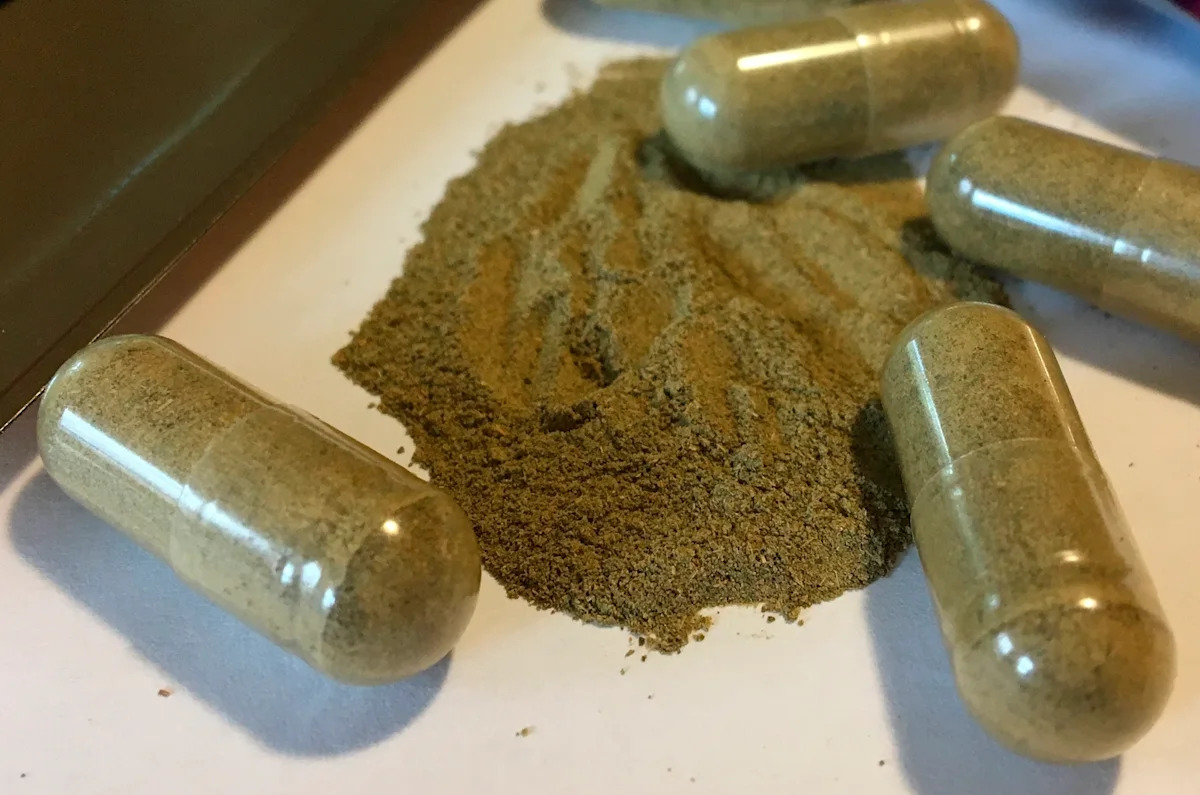
Kratom comes from a tropical tree in Southeast Asia. According to the National Institute on Drug Abuse (NIDA), it can have stimulant-like effects, and, at higher doses, it can act more like an opioid. It’s sold as capsules or a powder that can be mixed into drinks. Sellers often say it can boost mood, focus and energy levels.
The Food and Drug Administration has not approved kratom for any use, but NIDA says some people report using it to manage drug withdrawal and cravings, as well a pain, fatigue and mental health problems.
More than 5 million people in the United States have used kratom in their lifetime, including more than 100,000 children from ages 12 to 17, according to a May study from the University of Michigan Institute for Healthcare Policy & Innovation.
Poison cases have climbed sharply, too, from about 250 in 2015 to about 3,400 in 2025, according to the Centers for Disease Control and Prevention.
Kratom drugs hidden in ‘cat’s claw’ products linked to Utah deaths: Official
Natural vs. synthetic kratom
The focus of kratom concerns is on a compound called 7-hydroxymitragynine, or 7-OH. It’s found in trace amounts in natural kratom leaf, but when artificially created in synthetic kratom, it’s found in much higher, concentrated amounts.
The higher levels in synthetic kratom can carry greater risks of addiction and overdose. By some estimates, it contains 7-OH about 13 times stronger than morphine.
In July, the U.S. Drug Enforcement Administration placed 7-OH in the same drug category as heroin and LSD, and banned some synthetic versions of the product. The ban doesn’t reach regular kratom with naturally low 7-OH levels.
In New York, natural kratom is legal for anyone 21 and older to purchase, but synthetic kratom with high 7-OH levels can still be found, often due to state-dependent legal loopholes. State lawmakers are on track to ban businesses, including online sellers, from knowingly selling certain high 7-OH products in the state.
Copyright 2026 Nexstar Media, Inc. All rights reserved. This material may not be published, broadcast, rewritten, or redistributed.For the latest news, weather, sports, and streaming video, head to NewsNation.