
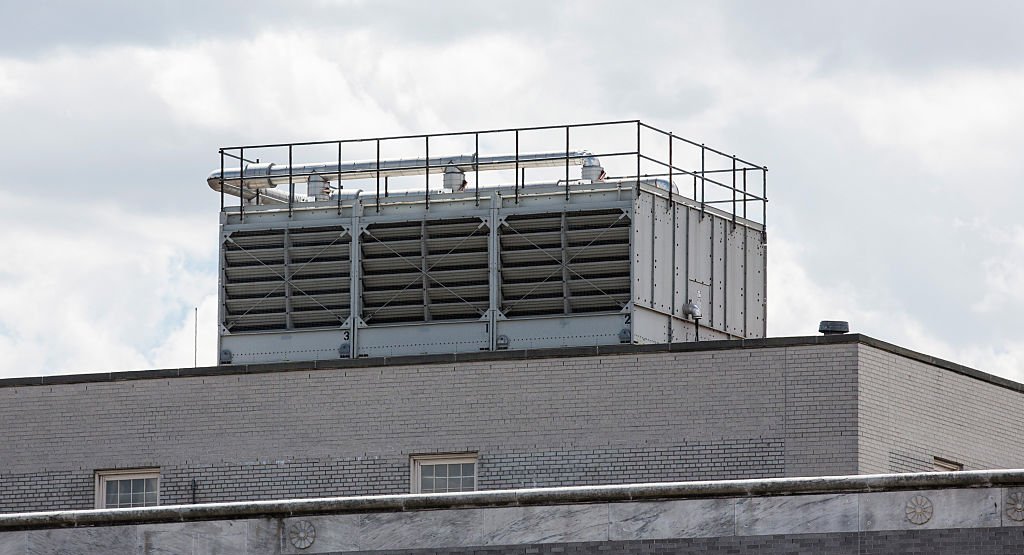
After two deadly Legionnaires’ disease outbreaks this summer on the Upper East Side and in the Bronx, New York City lawmakers are considering a new requirement that would alert health officials to potentially dangerous bacteria in cooling towers much earlier.
The bill, set for a hearing before the City Council’s health committee Monday, would lower the level of Legionella bacteria at which building owners must report test results to the city’s health department.
Current city rules require building owners to take increasingly aggressive steps to address Legionella as bacteria levels rise. At 10 colony-forming units per milliliter, or CFU/mL, owners must begin disinfection within 24 hours and retest the water within three to seven days. But they are only required to notify the health department when levels reach 1,000 CFU/mL.
The new bill would lower that reporting threshold to 10 CFU/mL, requiring building owners to notify the department within 24 hours of learning of the results.
“We’re trying to find ways to lower the opportunity for there to be outbreaks like we experienced this summer and last summer, and this is a tool in the toolbox,” said Councilmember Lynn Schulman, who chairs the health committee and is the bill’s main sponsor.
The bill does not change the existing requirements for cleaning and disinfecting cooling towers at different bacteria levels. Under current rules, a reading of 1,000 CFU/mL or higher triggers additional measures, including a requirement to fully clean and disinfect the tower within 48 hours.
Schulman said she expects further negotiations and potential changes to the legislation after Monday’s hearing.
The proposal comes months after a law requiring more frequent cooling tower testing took effect in May. That measure requires building owners to test their towers every 31 days, rather than every three months, to help detect Legionella sooner.