
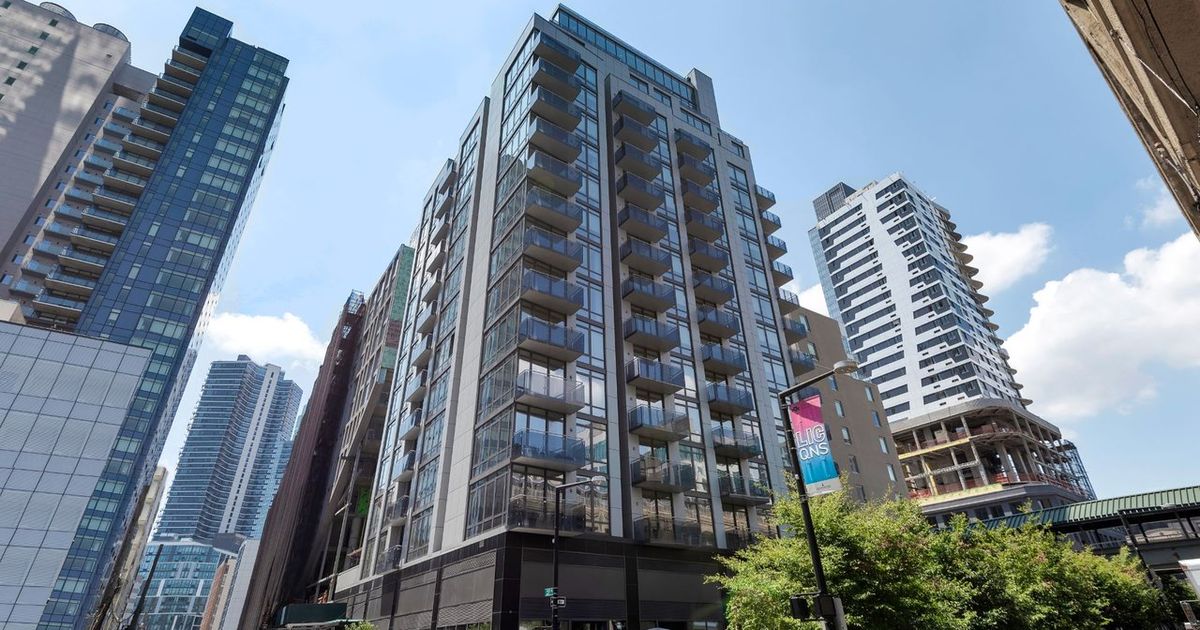
An almost unrecognizable Long Island City is on its way After four failed attempts to rezone the neighborhood, City Council voted on Wednesday to approve a plan called OneLIC — a comprehensive rezoning that aims to create 14,700 new units of housing, 4,350 of which will be affordable. (The latter is a record for a single rezoning.) All told, between the plan itself and additional community investments, the project will be a $2 billion investment in the area. Getting here took two years of public input and negotiations between Councilmember Julie Won and the mayor’s office. No easy thing.
Won threw her support behind OneLIC after getting the city to sign on to what she described as personal red lines she’d worked out after hearing from her district about what they’d want to see in any major redevelopment. New builds on private sites will fall under Mandatory Inclusionary Housing rules, meaning that they have to set aside 20 to 25 percent for permanent affordable housing. Won says she fought to ensure that only the more deeply affordable options — those for households making under 60 and 40 percent of the area median income — were on the table. Of the affordable units, approximately 1,000 will be built publicly-owned sites — and 50 percent of those apartments will be set aside for households making less than 50 percent of the area median income. (This phase of the project will have to go through a request-for-proposal process with incoming mayor Zohran Mamdani.)
In addition to the housing, the city will build new schools and guarantee 1,300 public-school seats to accommodate the rapid population growth in the area, as well as create a public waterfront connecting Gantry Park to Queensbridge Park, which Won says will unite disparate and segregated neighborhoods. The city will also restore Queensbridge “Baby” Park, returning five acres of public space under the Queensboro Bridge to parkland that had been used for decades for city parking and storage. According to NYCHA residents living in the neighboring Queensbridge Houses, the current use of the space cuts them off from the rest of Long Island City. “That was the worst thing they ever did, was to close that park,” one longtime Queensbridge resident told The City. The city also agreed to allocate over $200 million to renovate Queensbridge Houses and to improve sewer and stormwater infrastructure in the neighborhood.
OneLIC’s passage stands in stark contrast to other projects that have been brought to the neighborhood over the past decade, only to fail. Won says that those projects have favored private developers and huge corporations, like when Amazon tried to muscle its way into Long Island City in 2018 through a plan brokered by then-Governor Cuomo and then-Mayor de Blasio. At the time, New York offered billions in subsidies to the corporation, then valued at nearly $1 trillion. Progressives successfully rallied against the plan. (“When it was announced that Jeff Bezos pulled out of Long Island City, we had a huge piñata of Bezos’s head and smashed it open,” Won remembers.) In the wake of Amazon’s defeat, a group of developers put together another plan called YourLIC, which would have built on 12 million square feet of land. That project fell apart in 2020 when the city withdrew after saying the proposal didn’t account for “critical infrastructure needs and impacts.” Residents of the neighborhood have been wary of development projects for good reason: Long Island City’s rapid development over the past decade has not translated into affordability — 21,000 units have been built in the area since 2010, but the median rent for a two-bedroom has gone up by almost 50 percent. Average rents in Long Island City are twice that of average rents in the borough. “This project was able to get through because it was a community-led project,” Won said of OneLIC. “It wasn’t a developer-led project where you’re trying to shove things down people’s throats and say, ‘This is what we’re building for you’ or a corporate-led project of Amazon HQ saying, ‘You are going to give me $3 billion for me to come here.’”
Still, OneLIC faces pushback from some residents who think the concessions don’t go far enough when it comes to affordable housing. “I think LIC will become a richer, whiter neighborhood as a result of this rezoning,” Jenny Dubnau, the co-chair of the Western Queens Community Land Trust, a local group that opposed the plan, told Gothamist.
Won said that Mamdani has been an ally in the OneLIC process, and the mayor elect called it a “victory for Long Island City residents” on Wednesday. To Won, it’s a night-and-day difference between what’s been offered to her district in the past. “Instead of a $3 billion giveaway to a corporation, we now are receiving $2 billion dollars in investment that is long overdue for our community,” she says. “It’s a relief.”
Sign Up for the Curbed Newsletter
A daily mix of stories about cities, city life, and our always evolving neighborhoods and skylines.
Vox Media, LLC Terms and Privacy Notice
Related