
THE BATTERY, Manhattan (PIX11) — There’s more to a new structure in Lower Manhattan than meets the eye.
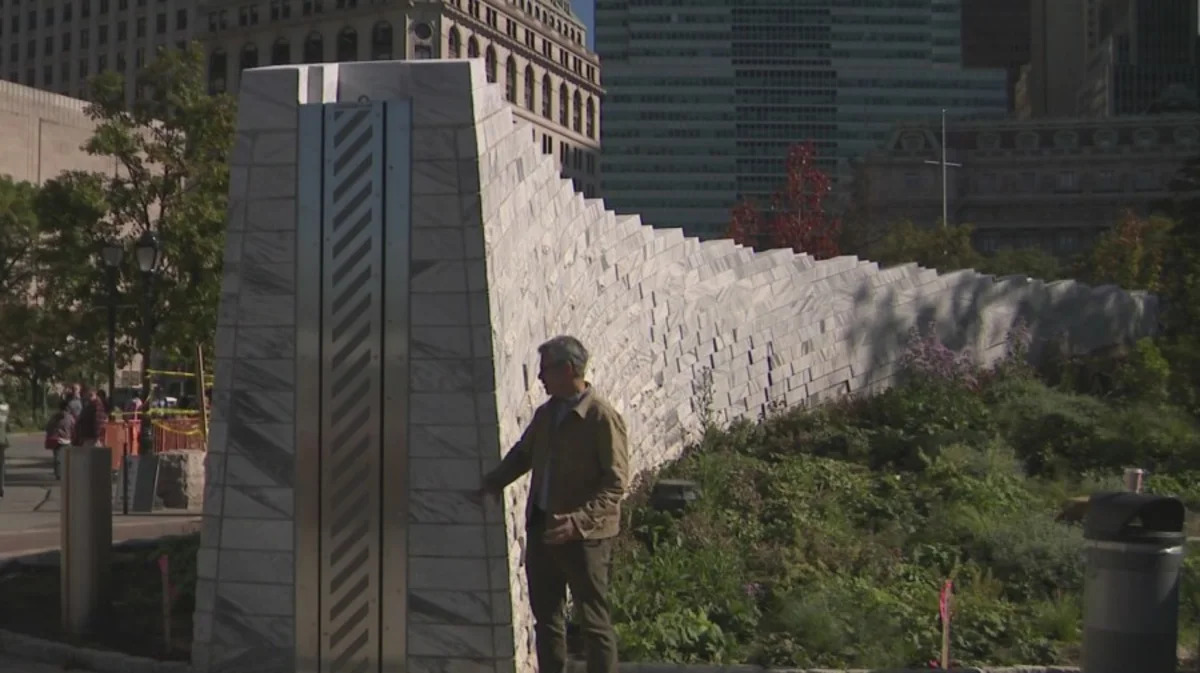
A new stone wall surrounding Wagner Park and The Battery has been designed not only as a landscape feature but also as a critical line of defense against future flooding.
Stay connected with community stories that matter: Visit our homepage
On a sunny October day, visitors may notice the wall’s design and texture before realizing its true purpose. The structure is part of a broader effort to protect Lower Manhattan from storm surge and rising sea levels.
Nikki, a neighborhood resident enjoying the park, said she’s happy to have the space back after years of construction.
“This is my backyard. Having Wagner Park back, to come here and see the sunrise, it’s beautiful,” she said while sitting on the lawn.
That lawn serves a dual purpose. In addition to being a gathering space, it also functions as a stormwater collection basin.
Discover more local reporting on our homepage
The wall itself is designed to become a flood barrier when severe weather threatens the area. Mechanical gates built into the sidewalks can be raised and locked into place to block incoming water.
“It feels like it’s part of the park,” said Raju Mann, president and CEO of the Battery Park City Authority. “If there’s a heavy storm event that pushes water in, the gate will flip up and lock in place and will protect the neighborhood.”
The project is one piece of a multi-billion-dollar effort to strengthen flood protection throughout Lower Manhattan. City, state and federal agencies are overseeing different portions of the work, depending on property ownership and location.
Along the East River, new parkland has been created as part of resiliency projects, while additional flood protection measures continue to be built along the waterfront.
The Battery Park City Authority is also preparing for the next phase of construction north of Wagner Park. That project will create a different type of flood barrier along the neighborhood’s esplanade. The roughly two-mile section is expected to take about four years to complete.
By comparison, the newly completed wall at Wagner Park stretches less than half a mile.
As part of the project, Wagner Park was elevated approximately 10 feet, creating both a recreational destination and additional protection from storm surge. New ramps and entrances are designed to help shield the neighborhood from flooding.
The improvements were inspired in part by the devastation caused by Superstorm Sandy in 2012, when floodwaters inundated Lower Manhattan, including the nearby Battery Park Underpass. The tunnel has since received protective flood doors.
Some residents and businesses are dealing with the construction-related inconveniences. People hope the result will be a safer and more resilient waterfront community.
“We’re trying to do it very carefully and not make it a big piece of engineering, but part of the landscape,” Mann said.
The project also includes a new bike path connection that fills a missing link between Lower Manhattan and Manhattan’s West Side.
Together with other resiliency projects underway from Tribeca to the East River waterfront, officials say the improvements will create a more continuous barrier against future coastal storms while maintaining and enhancing public access to the waterfront.
Copyright 2026 Nexstar Media, Inc. All rights reserved. This material may not be published, broadcast, rewritten, or redistributed.For the latest news, weather, sports, and streaming video, head to PIX11.