
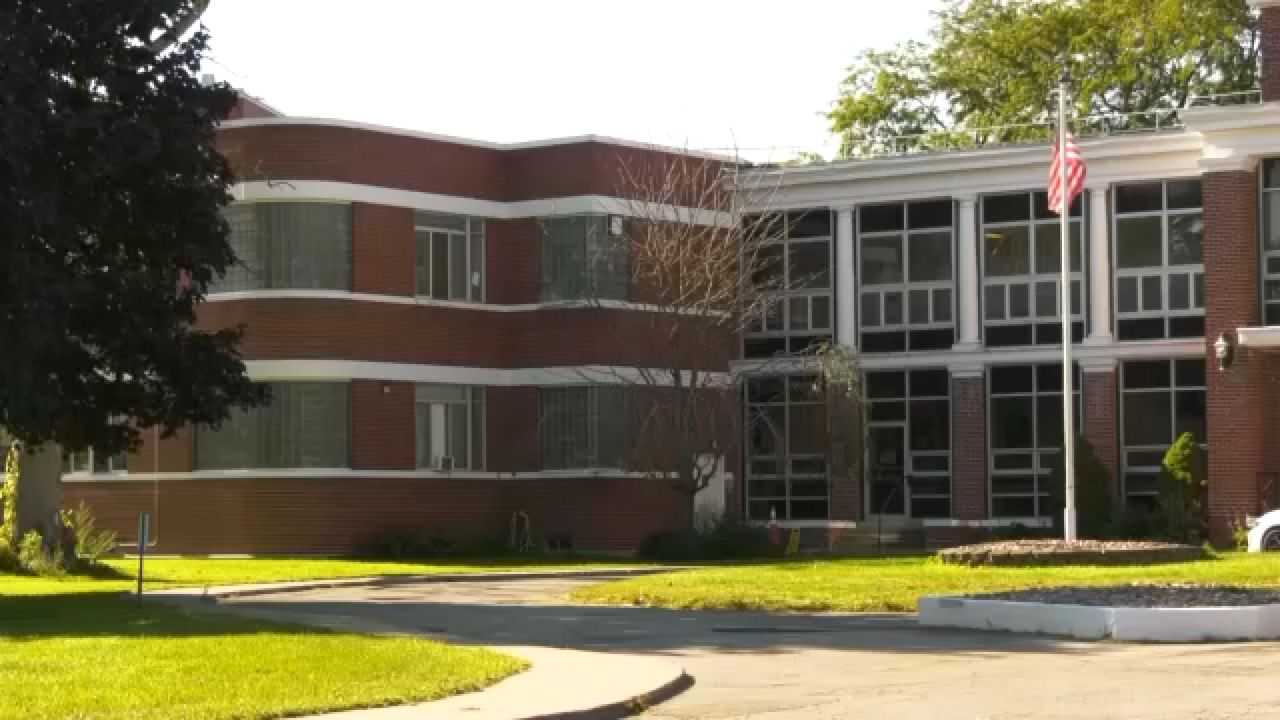
ROCHESTER, N.Y. — A shortage of nursing home beds continues for our aging population across New York state. Just last week, a nursing home in Rochester closed. More than 160 residents moved out of Waterview Heights Nursing Home after reports of multiple failed inspections and a lack of care.
“Really inappropriate care, or lack of care, for individuals, not receiving some medications,” LifeSpan’s president and CE Ann Marie Cook explained. “We had some individuals tell us that they had to wear multiple Depends because no one was available to help them go to the bathroom. This facility had years to correct those deficiencies and weren’t able to do it. So CMS acted. And then the New York State Department of Health oversaw the closure. At this point Waterview Heights is closed in. So all of the residents have been transitioned to other placements or have gone home. And at this point, the facility is closed and there’s no one working there.”
Lifespan assisted the former residents in finding new placements. Cook says many of them were on Medicaid and were in complex physical and mental health situations.
“The underfunding in Medicaid for nursing home residents,” CEO and President of the New York State Health Facilities Association Stephen Hanse said. “Approximately 75% of all nursing home residents are funded by Medicaid. Unfortunately, the state underfunds the care of a medicaid resident by approximately $100 per resident per day. So you have that situation, which goes directly to our workforce. You know, as we came out of the COVID-19 pandemic, we have seen our workforce significantly depleted in skilled nursing facilities throughout New York.”
Waterview Heights joins the growing list of long-term care facility closures. Hanse says 24 nursing homes have closed since 2020, which provided more than 3,000 beds.
“New York State right now has hit the leading edge of the silver tsunami. And by that, I mean New York’s population of aging baby boomers is turning 80 years old this year. The over-65 population is growing in every single county of New York state,” Hanse explained. “So while we have demand going up, because the demographics show when individuals turn 80 and older, the demand for skilled nursing care increases. And while this demand is going up and we’re seeing it happen today, the supply is going down.”
Hanse says another challenge to keeping the nursing homes’ doors open is a New York state law that mandates three and a half hours of nursing care per resident per day. Otherwise, facilities risk a $2,000 fine per day.
“So to meet that 3.5-hour staffing mandate,” he said. “Nursing homes end up taking beds offline. So when you have nursing homes closing, you have that loss of 3,000-plus beds from those 24 nursing homes closing. Then you have an unfunded mandate that doesn’t really present the whole continuum of care in a nursing home, because it doesn’t count. Physical therapists, occupational therapists, recreational therapists, respiratory therapists, all the other women and men who help provide essential care in nursing homes. Those beds come offline.”
Cook says most of the displaced residents were able to stay in the Rochester area, but a few transferred to nursing homes in Buffalo, Niagara Falls and Syracuse.
“It was very traumatic for those individuals to leave for a variety of reasons,” Cook said. “But one, they wanted to make sure they were in a new location in which their family members could visit. That’s the most important thing to people.”
However, as another facility closes, the shortage concerns stretch across the state.
“This wasn’t a lot of options for people because we don’t have enough beds in this region,” she added. “We really, I think, need to look at long-term care in general and figure out what are we going to do in the future? Because Waterview happened and there’s not enough beds. What if another home closes? We will not be able to provide the care.”
Cook says the impacts of nursing home bed shortages can be felt beyond the elderly community, as well.
“There’s a couple hundred people probably waiting for a nursing home placement when they’re being housed in a hospital. That impacts all of our care at every single age. Because if you need the hospital, if you’re 20 years old and need the hospital, but that that is being occupied by a person who would be better cared for in a nursing home, it impacts your health,” Cook explained. “The situation will only get worse. We haven’t hit the flu season yet, so once that happens, all of us are at risk of not being able to receive the appropriate care at the appropriate time.”
“It’s extremely difficult, if not impossible, to build a new nursing home in the state of New York,” Hanse said. “So we need to safeguard and invest in the nursing homes we have now. We’re seeing Gov. Hochul make that investment. We’re working with the legislature to make that investment to really, you know, enhance the ability of nursing homes to recruit and retain a workforce. So we can go forward and meet these demands, these increased demands of this silver tsunami. At the end of the day, it’s a partnership. It’s a partnership between government, the state and providers. And we are there and we’re working together, and we need to continue to work together as we’ve seen, you know, investment in nursing homes needs to continue.”