
The Mamdani administration’s second document dump of 9/11 records is now complete.
The cumulative 210,000 pages now posted on the city’s new 9/11 portal offer an unusual glimpse of discussions between city agencies and the lawyers representing them. Such communications — which would typically remain hidden under attorney-client privilege — are now being made public after the Mamdani administration waived that protection earlier this year.
“When we created the City’s first public records portal related to September 11th and released the first 170,000 pages, we made an enduring promise of documents, it wasn’t a box-check – it was the first of many steps we are taking to bring closure and clarity to millions of New Yorkers,” Mayor Zohran Mamdani said Wednesday in a statement shared with NBC New York.
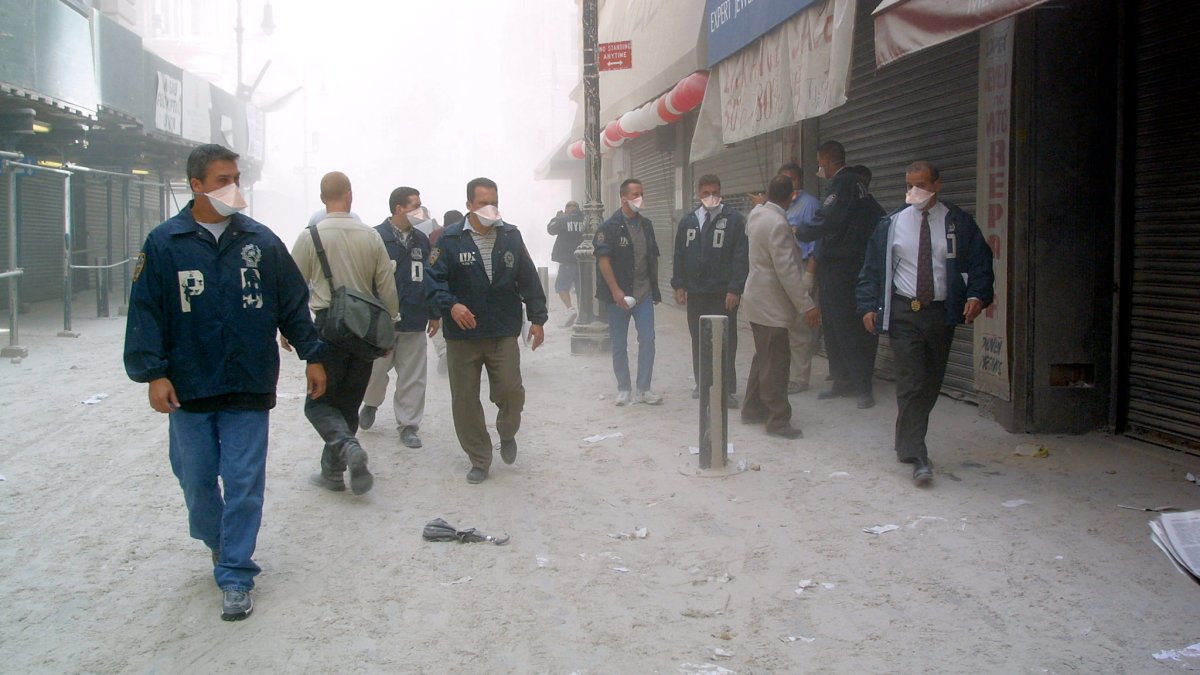
Launched on Sept. 8, searches of the growing database continue to unearth efforts by the city to shield itself from lawsuits and potentially sweep health fears and World Trade Center dust under the rug.
In December 2002, 15 months after the terror attacks, many Lower Manhattan buildings were still inundated with dust. At the time, according to an email exchange posted on the 9/11 portal, The City University of New York, Board of Elections, and other downtown residents were seeking decontamination help from FEMA.
The EPA also indicated they would pay for specific building cleanups – if the city’s Department of Environmental Protection certified those buildings as contaminated – according to emails on the portal. But in December 2002, the city’s law department objected, telling DEP to “refrain from getting involved.”
Attorney Lawrence Khan, who worked the Law Department’s WTC unit, voiced concern that acknowledging hazardous conditions could subject the city to lawsuits since their previous position had been that the conditions were safe.
“The Law Department is concerned that DEP certification that a facility is contaminated at a hazardous level will be used as evidence against the City in actions alleging that the City acted improperly in permitting continued occupancy or re-occupancy of the facility,” Khan said in the email.
NBC New York was unable to immediately reach Lawrence Khan for comment.
In response to an inquiry from News 4, longtime Bloomberg spokesman Stu Loeser declined to comment on any of the specific communications between members of the Bloomberg administration included in this story.
A previous email chain from April 9, 2002 suggests confusion and poor communication about how to handle contaminated buildings. An environmental representative from Mayor Bloomberg’s Office expressed “surprise” that the EPA had told the city on April 8 that it had “believed all along” and “had said orally since Day 3” that indoor spaces with “more than minimal dust” should be professionally cleaned.
The City, however, had not advised the public to professionally clean indoor spaces and it’s unclear why local officials were unaware of the EPA’s alleged guidance.
A 2003 Inspector General report said EPA officials said they had consistently recommended that residents obtain professional cleaning during interviews, public forums and other communications since day 3 after 9/11. The IG noted the earliest example their investigation could find was on October 26, 2001, when then-EPA Administrator Christine Todd Whitman recommended professional cleaning in an interview on MSNBC.
“Just wiping it down, using your regular vacuum cleaner, that’s not good enough. But you know, we provided that information and it is up to the City Health Department and OSHA and others to follow up,” Whitman said.
In the Spring of 2002, Mayor Mike Bloomberg’s office convened an interagency air quality task force. According to minutes documenting its first meeting in March 2002, the top lawyers at city agencies including the Department of Health, Environmental Protection, and others discussed air quality, building safety and public messaging.
“We’ve been telling people everything is okay. We’re just doing this to make people happy,” then General Counsel of the Department of Health Wilfredo Lopez said, according to the notes posted on the portal.
The notes also say that in the same meeting, Mark Hoffer, then General Counsel of NYC DEP, asked “How do we reconcile telling people they now have to do testing or clean up if we’ve been telling everyone things are OK?”
A subsequent notation appears to describe the “general consensus” as “not contradictory” to redirect the public message after telling people “everything is OK,” but NBC New York’s efforts to glean clearer context from staffers who attended that meeting were not immediately successful.
“Reading these documents, ordinarily privileged and protected, puts the reader ‘in the room’ with government officials and lawyers, as they spoke freely about the most significant event in New York City history,” said attorney Andy Carboy who represented 911 Health Watch Inc, the organization that sued the city for years to make these documents public.
Benjamin Chevat, Executive Director of 911 Health Watch, added that the documents reviewed so far show “a disturbing record that even when the extent of the hazards were realized, the City, the State and the Federal government did not change course.”
The portal was set up in September as part of a settlement of a multi-year legal fight over air quality, legal concerns and lack of transparency.
“Kudos to Mayor Mamdani and Corporation Counsel Steve Banks for living up to their commitment,” said Upper West Side Council Member Gale Brewer. “I hope the revelations provide some measure of closure to those families who have been coping with 9/11 related illness or death.”