
by Michelle Mullen
Higher education administrators at Bronx institutions are assessing how new federal student loan rules could affect students pursuing lower-paying professions. Although some said local colleges and universities are unlikely to face significant impacts, they are still not entirely insulated from the changes.
The Trump administration finalized a change to federal student lending that would strip certain college degree programs of access to federal loans if their graduates fail to earn more than workers with lower levels of education.
For Lehman College sophomore Nina Rodriguez, becoming a social worker has been a lifelong ambition, shaped by her experiences growing up in and out of foster care. One of five siblings raised by a single mother, Rodriguez knows firsthand the difference someone working in social services can make.
She hopes to provide that same support to others, but a new measure ushered in by the Trump administration tying student loan eligibility to graduates’ earnings has raised concerns about whether students like her will be able to afford the education necessary to pursue their chosen careers.
“I don’t know what I would do, because I can’t afford to go to college by myself,” she said.
The Student Tuition and Transparency System and Earnings Accountability rule was finalized July 1 and will take effect July 1, 2027, according to the U.S. Department of Education. Following implementation, Programs that fail a federal earnings test in two out of three consecutive years would lose eligibility for Federal Direct Loans.
Although Rodriguez herself will have graduated before those three years are up, she expressed anxiety regarding the measure’s impacts on future students. Among her central concerns, she said, is that it raises barriers to access for prospective students looking to get into a field she said is already short-staffed.
Undergraduate program outcomes will be measured against the median earnings of high school graduates, while graduate program outcomes will be compared with the earnings of bachelor’s degree holders.
In a White House fact sheet, the administration said the changes will protect students and taxpayers from degrees that leave graduates with substantial debt and limited earning potential. But administrators at institutions of higher education say the policy raises questions about how the value of an education should be measured, particularly for students pursuing teaching, social work and the arts.
Lynne Bongiovanni, provost and dean of faculty at the University of Mount Saint Vincent, acknowledged the importance of informing students about potential salaries but questioned whether earnings alone can capture the value of a degree.
“Some of our most important professions are not the highest-paying professions,” she said, adding federal loans remain critical to making college accessible, particularly for low-income families.
Most college students, she said, face a financial shortfall between the aid they receive and the total cost of attendance, even when institutions like UMSV offer generous financial aid packages. She said federal loans provide families with a borrowing option that generally carries lower interest rates than private loans.
“It’s the backbone of access for low-income students, or even all students,” she said.
Bongiovanni does not expect the university’s programs to lose eligibility under the rule. Nursing, its largest major, leads to relatively high-paying jobs in New York City, while graduates of other programs are also likely to meet federal benchmarks, she said.
The picture could look different elsewhere, particularly in states where teachers and other public service professionals earn considerably less.
“Social workers, teachers are going to be, really, really affected,” Bongiovanni said, also identifying art, music and theater as potentially vulnerable fields.
An analysis accompanying the April 20 proposed rule published in the Federal Register identified education, humanities, drama and music among the undergraduate fields expected to be disproportionately affected by the proposed regulations. At the graduate level, mental and social health services were among the fields identified as potentially vulnerable.
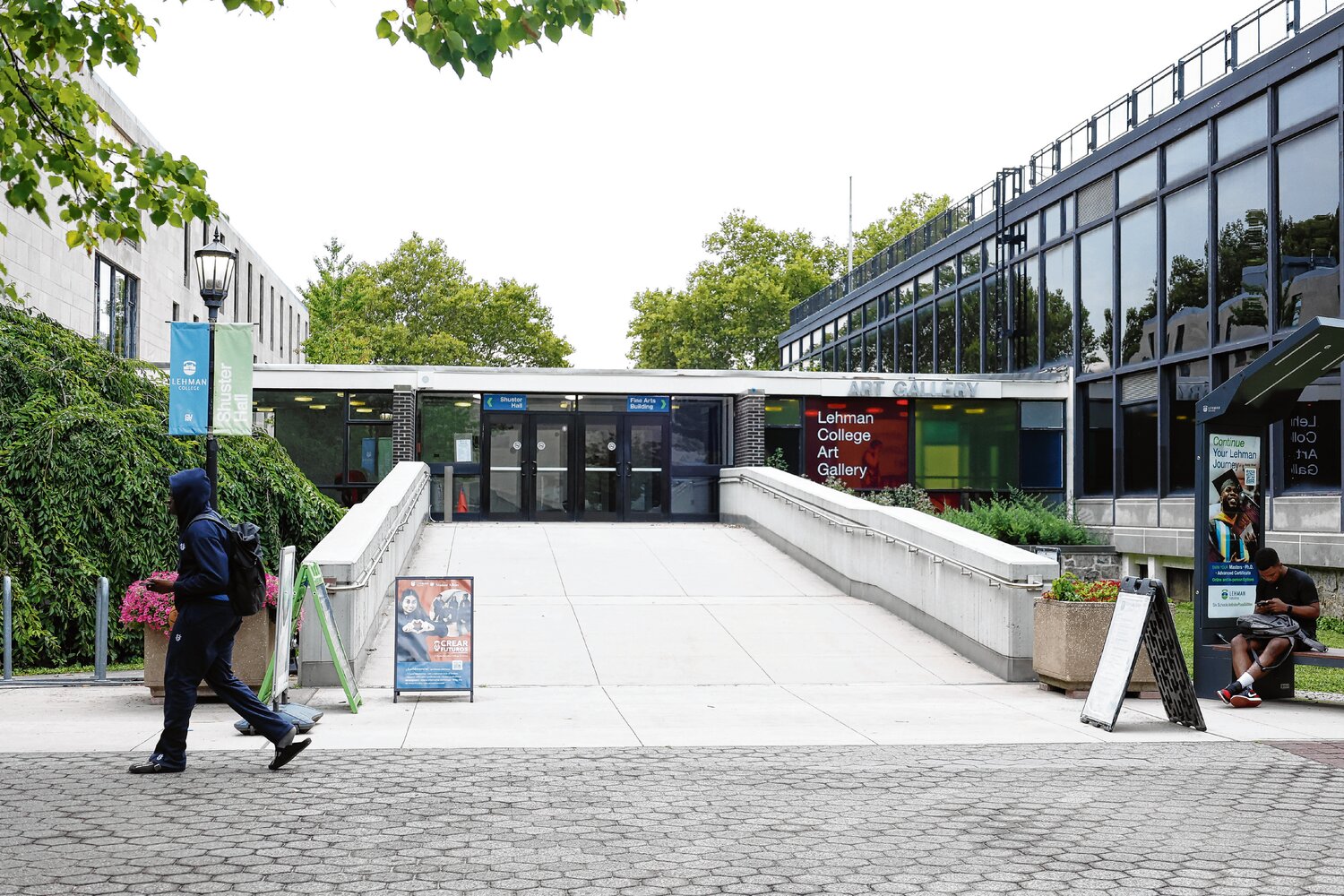
At Lehman College, Richard Finger, vice president of enrollment management, said the institution is less dependent on federal borrowing than many private colleges because of the City University of New York’s comparatively low tuition, but cautioned that it remains too early to determine how individual institutions will fare once the government begins evaluating programs.
Still, federal loans remain important to students covering tuition and other expenses. Nearly all of Lehman’s graduate students rely on federal loans in some form to finance their education, Finger said.
Like Bongiovanni, he does not anticipate Lehman’s programs will be significantly affected overall, particularly because graduates entering nursing, education and social work generally earn more than the federal benchmarks.
Even students studying humanities, arts and social sciences are likely to find employment paying more than the median earnings of high school graduates, particularly in New York City, he said.
“That doesn’t necessarily mean that I agree that it’s a living wage for New York City, or if it shouldn’t be adjusted,” Finger said of teacher salaries. “But I do believe that in terms of meeting the federal criteria, I think we’re safe there.”
Keywords
federal student loan rules,
federal student loans,
Student Tuition and Transparency System and Earnings Accountability rule,
student loan eligibility,
Trump administration,
U.S. Department of Education,
July 2027,
federal earnings test,
college affordability,
higher education,
Bronx colleges,
Lehman College,
University of Mount Saint Vincent,
UMSV,
Nina Rodriguez,
Lynne Bongiovanni,
Richard Finger,
social work,
social workers,
teaching,
teachers,
arts degrees,
music degrees,
theater degrees,
humanities,
nursing,
graduate students,
low-income students,
college access,
student debt,
Federal Direct Loans,
CUNY,
student financial aid,
public service careers,
education policy,
earnings accountability,
federal student lending