
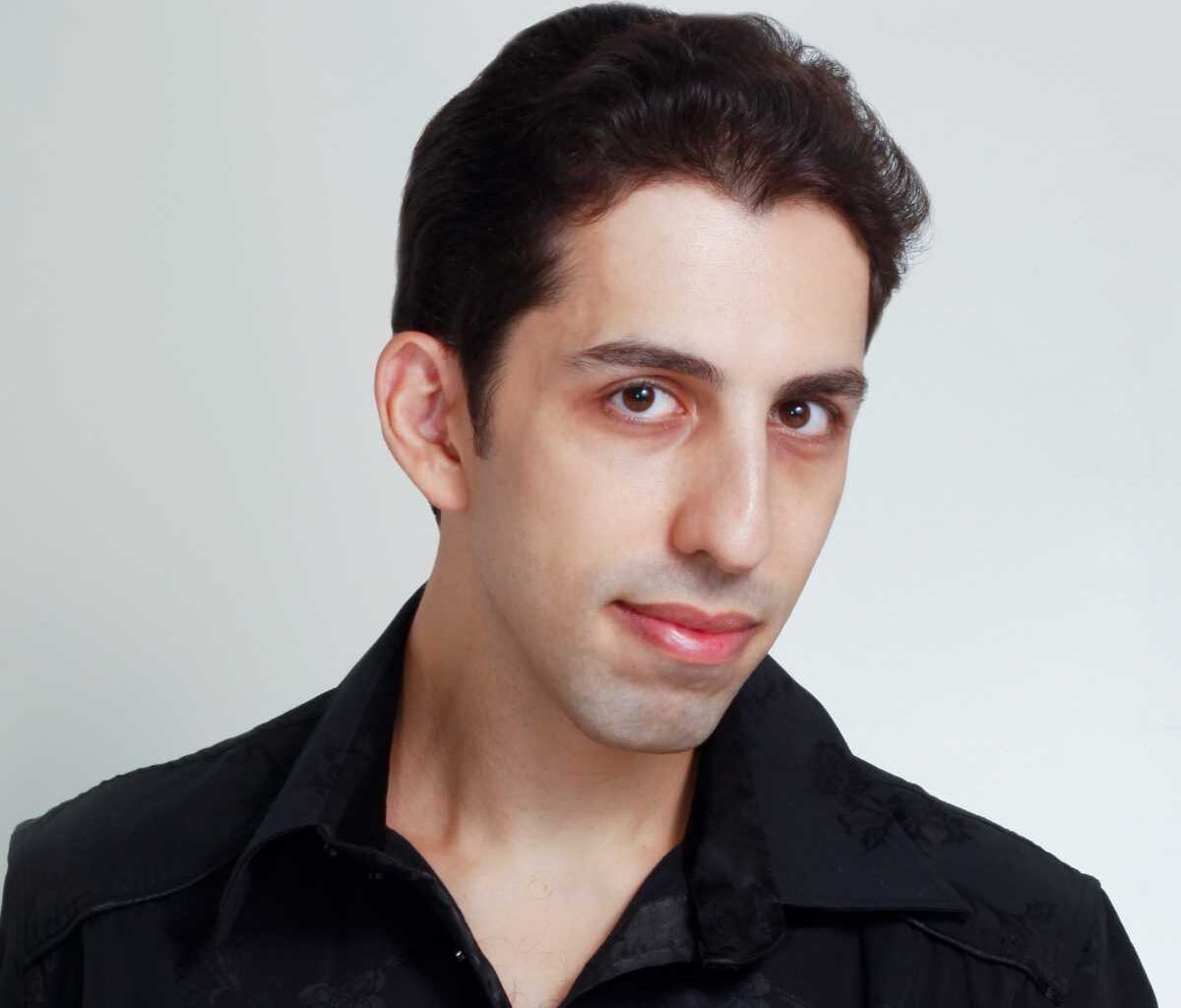
The great Harry Houdini once said, “What the eyes see and the ears hear, the mind believes.”
A beautifully executed and spectacular illusion does more than fool the eye. It creates a surreal moment when the impossible seems possible, blurring the line between imagination and reality…as the audience experiences the extraordinary!
That is why, even in the age of AI and advanced science and technology, magic continues to fascinate people around the world.
A magician extraordinaire, who stumped the legendary magic duo Penn and Teller three times – on the hit show “Penn and Teller: Fool Us” (The CW Network) – is coming back to Queens! The great Vitaly returns to Queens Theatre for two performances ONLY, bringing his mind bending illusions in “An Evening of Wonders” to the popular venue in Flushing Meadows Corona Park on Saturday, Nov. 14, at 8 p.m. and Sunday, Nov. 15, at 2 p.m. Get your tickets before they sell out for this fun, jaw-dropping experience, where paintings come to life and faces vanish from audience members’ driver’s licenses.
Tickets are available at queenstheatre.org/events/vitaly-1j7r.
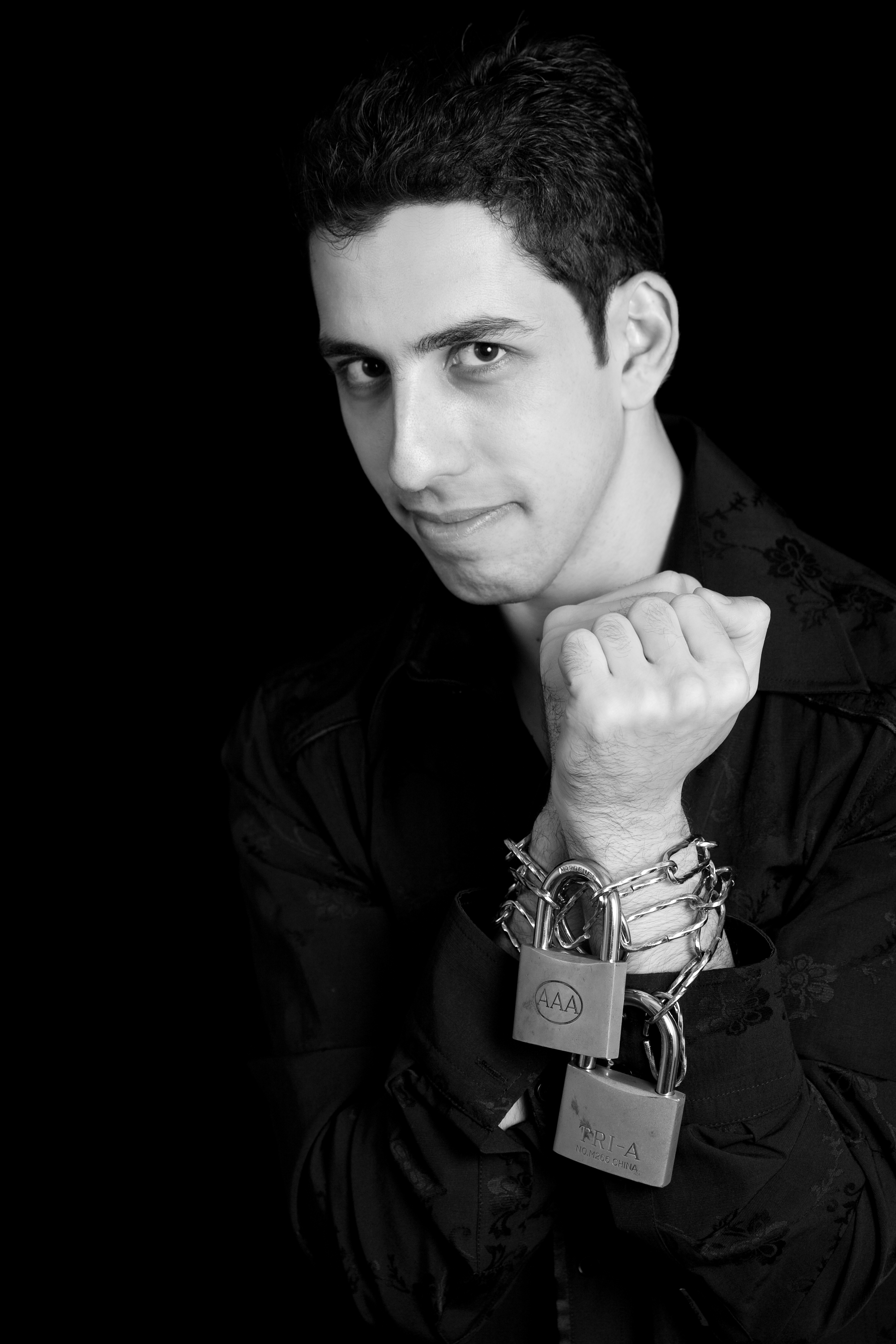 Photo by Janine Coney
Award-winning illusionist Vitaly Beckman lit up Times Square with a 16-week off-Broadway run. He has performed sold-out engagements across North America and beyond, including Las Vegas, Toronto, Vancouver, Tel Aviv, Chile and Singapore.
Wowing audiences on “Penn and Teller: Fool Us” — at the Rio Hotel and Casino in Las Vegas — Vitaly was one of only five magicians who won three times, among the many aspiring magicians who performed their best trick to try and fool the magic experts, Penn and Teller. His amazing wins came in 2016, 2021 and 2025, when he created a painting that magically matched, item for item, the objects that a guest host had previously arranged on stage … and Penn and Teller still couldn’t explain it.
 Vitaly stumped Penn and Teller with his tricks in all three appearances of their show, “Penn and Teller: Fool Us.” Photo by Leah Ranada
“This is so complicated and so original, we don’t have any experience with it,” Penn told Vitaly.
A bit of magic history
Since ancient times, magic has evolved from a mix of cultural practice, supernatural beliefs and entertainment into a sophisticated performing art that combines psychology, science, engineering and storytelling. And Vitaly’s art-driven conjurings tap into all those elements – at times, drawing on his mechanical engineering background – making his audiences question what they think they know.
As AI reshapes everything around us, Vitaly sees a twist…
“Instead of building bridges as an engineer, I realized I could better bridge the gap between imagination and reality,” he said, adding, “That labor of love might be the one thing AI can’t replace.”
“People assume that in the age of AI, nothing is hidden; that every secret is one prompt away. But you can’t generate the feeling of watching something impossible happen a few feet from you. That’s the point of ‘An Evening of Wonders.’”
The Chicago Tribune has called Vitaly “one of the most unique and innovative illusionists in the world.” And Penn and Teller described him as “an ingenious inventor!”
Even the Greeks and Romans were fascinated by supernatural beliefs, mysteries and mechanical wonders. While some performers entertained audiences with sleight of hand, inventors created devices that appeared to work through mysterious forces…in some ways, like Vitaly’s tricks.
Hero of Alexandria, an engineer who lived during the first century CE, designed ingenious mechanical devices, including theatrical machinery and systems that used air pressure, water and weights. His inventions sometimes produced effects that could seem magical to people unfamiliar with the underlying mechanisms.
There was growing interest in appearances vs. REALITY – as the connection between magic and experimentation, optics and the methods of DECEPTION got stronger.
French watchmaker, inventor and magician Jean-Eugène Robert-Houdin was one of the most influential figures in magic history. In the 1800s, he helped transform magic from a fairground attraction into a sophisticated theatrical art, establishing the modern stage magician as an entertainer who combined technical ingenuity with theatrical presentation. When he opened his magic theater in Paris in 1845, folks enjoyed unique performances featuring mechanical illusions and skillful conjuring that seemed to defy ordinary physical laws. And much like Vitaly, Robert-Houdin also emphasized presentation, timing, audience attention and theatrical storytelling.
Harry Houdini later adopted a stage name inspired by his idol.
An engineer who chose magic
Why work at a boring job when you can amaze audiences with a mesmerizing blend of art and illusion?
Now based in Canada, Vitaly was born in the former Soviet Union (now Belarus) and raised in Israel. Defying his parents’ wishes, he never intended to use his BSc in Mechanical Engineering because he had a very different vision…
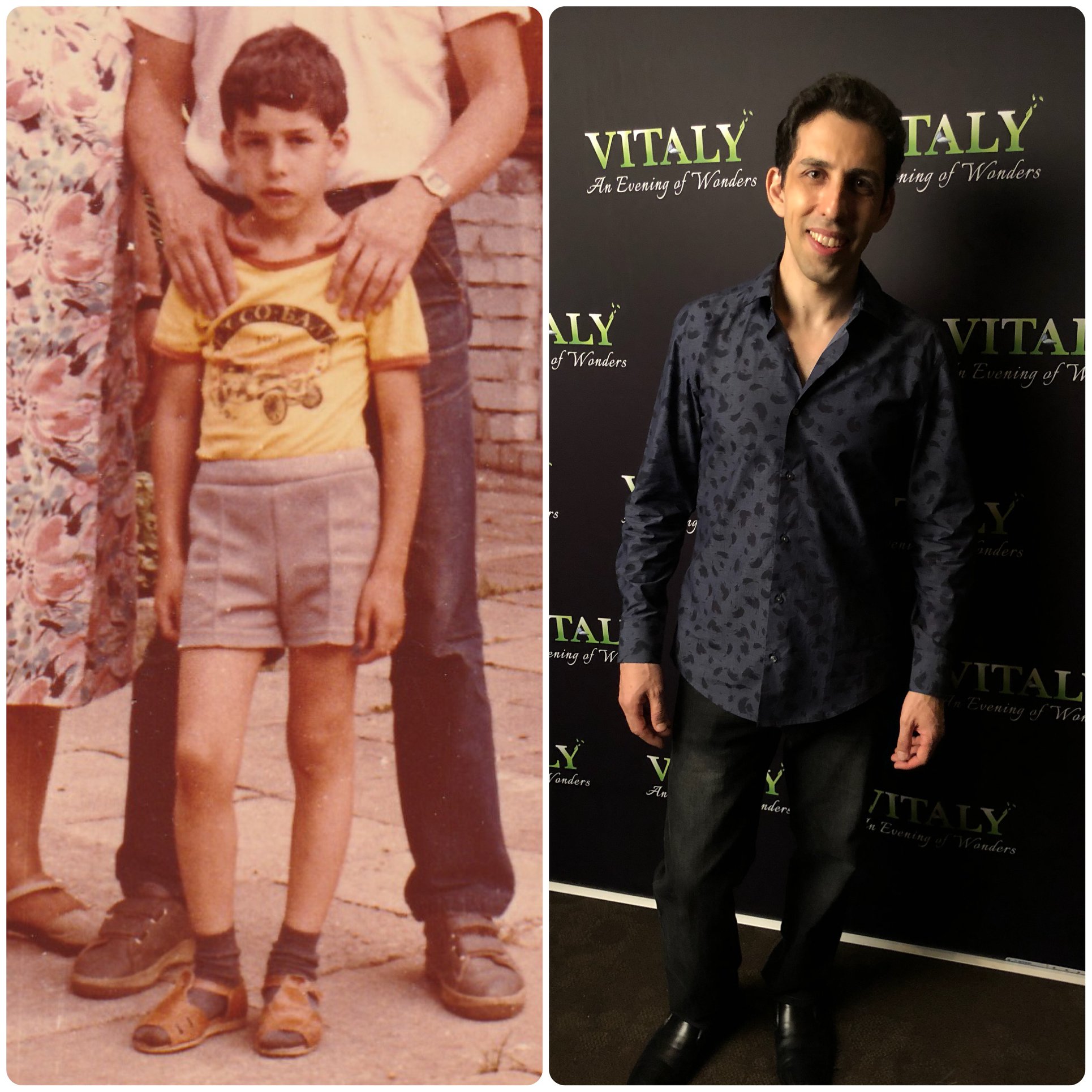 Vitaly was born in Belarus when it was part of the Soviet Union and raised in Israel. Photos courtesy of Walter McBride
Performance details:
What: VITALY: An Evening of Wonders
When: Saturday, Nov. 14, 8 p.m.; Sunday, Nov. 15, 2 p.m.
Where: The Claire Shulman Theater, Queens Theatre, 14 United Nations Ave. S., Flushing Meadows Corona Park, Queens, NY
Tickets: $40–$45 (includes $2 per-ticket service fee), at queenstheatre.org
Recommended for: Ages 12+
QNS: Describe some of your magic tricks in “An Evening of Wonders.”
Vitaly Beckman: In my current show, I bring art to life. Drawings and paintings come alive, photos become mini movies, paintbrushes paint on their own. There is also more recent work involving forming sculptures in a magical way. The signature piece I am most known for is an illusion I came up with 14 years ago, where I make people’s faces disappear from the photographs on their own driver’s licenses.
QNS: Why are you excited to return to Queens Theatre?
VB: I had a real blast performing there two years ago! The venue feels warm and intimate and the audience was incredible. I cannot wait to go back!
QNS: If an illusion can make us question what we see with our own eyes, how can we ever be certain that what we perceive is real?
 Photo by Jeremy Daniel
VB: It’s a good question. Is life an illusion? What I do know is that a good performance of magic is more than tricking the eye. It happens by telling a story and seducing our mind to imagine that story in our heads. It’s only then that any visuals or optical illusions can help create the feeling of wonder. But the magic happens in the mind. Perhaps that is also the answer to perceiving the real world.
QNS: What would you like people to feel when they watch your performances?
VB: I want them to be mystified, but I also want them to be inspired and hopeful about life. I think especially in today’s world that heavily leans on technology, it’s even more important to connect to our human roots and notice the simple wonder around us.
 Photo by Jeremy Daniel
QNS: How does an engineering graduate become a magician…and why?
VB: I knew I wanted to become a magician, but my parents convinced me that it is good to have a ‘real job’ to fall back on to. Everyone I knew was studying engineering or sciences, so it seemed like something one had to do… so I got the degree, gave the diploma to my parents and went on a path of uncertainty, pursuing my dream.
QNS: What was it like performing on Penn and Teller and winning the “Fool Us” trophy three times?
VB: The first time was probably the most exciting. Performing in front of Penn and Teller and stumping them was exhilarating! The second time was during a pandemic. I never intended to go back to the show, but everyone was suddenly home, with all work cancelled. A virtual performance filmed by the crew from home was an unusual but exciting way to be on the show. Fooling them for the second time was more challenging, because the illusion I chose was very difficult to execute and make it look natural, like magic is just happening. I believe that all good things come in threes, so a third appearance seemed appropriate. This was another difficult illusion to do and took a lot more time to prepare, as a lot of things could go wrong. I am grateful that it all worked out and it was so nice to perform for them in person again and spend some time backstage later on.
QNS: When did you first discover your passion for magic?
VB: I always enjoyed watching magic, but it was in my teens that I really decided to pursue it after watching magicians on TV in the 90s: David Copperfield, Lance Burton, Penn and Teller, Siegfried and Roy. I was just curious, trying to figure out how the magic could have been done, and before I knew it, I started to come up with ideas of my own and performed for my friends.
I realized that I had some very unique ideas that I wanted to create and share with the world. I used to paint as a kid and started dreaming of turning my paintings to reality. I imagined how flowers and leaves would be coming out of a page with a wave of my hand. I wanted to create visual art but in 3D, not just a painting but something a whole audience can experience in real time. I wanted the audience to feel like they are in a painting.
 Photo by Jeremy Daniel
QNS: What is the most difficult magic trick you’ve performed?
VB: A lot of the magic I create is pretty difficult. There’s a more recent piece with a box of matches. There is so much going on in that little illusion and requires so much practice on coordination. Another tough one was for my second appearance on ‘Penn and Teller Fool Us,’ where I made my breakfast appear. It looks easy, but in reality, it was one of the more difficult things to perform, especially knowing Penn and Teller will be watching every move, so I had to look like nothing is happening.
QNS: How do you create amazing illusions?
VB: I dream up things that I want to see or experience. I also ask ‘What if?’ I may be listening to music or watching nature and an idea pops into my head. I collect a bank of ideas, a bucket list of things I want to accomplish, and when one of these ideas becomes ripe enough and I feel strong enough about pursuing it. Then I clear a lot of time from my schedule and start working on it. Sometimes it takes years to see it all through.
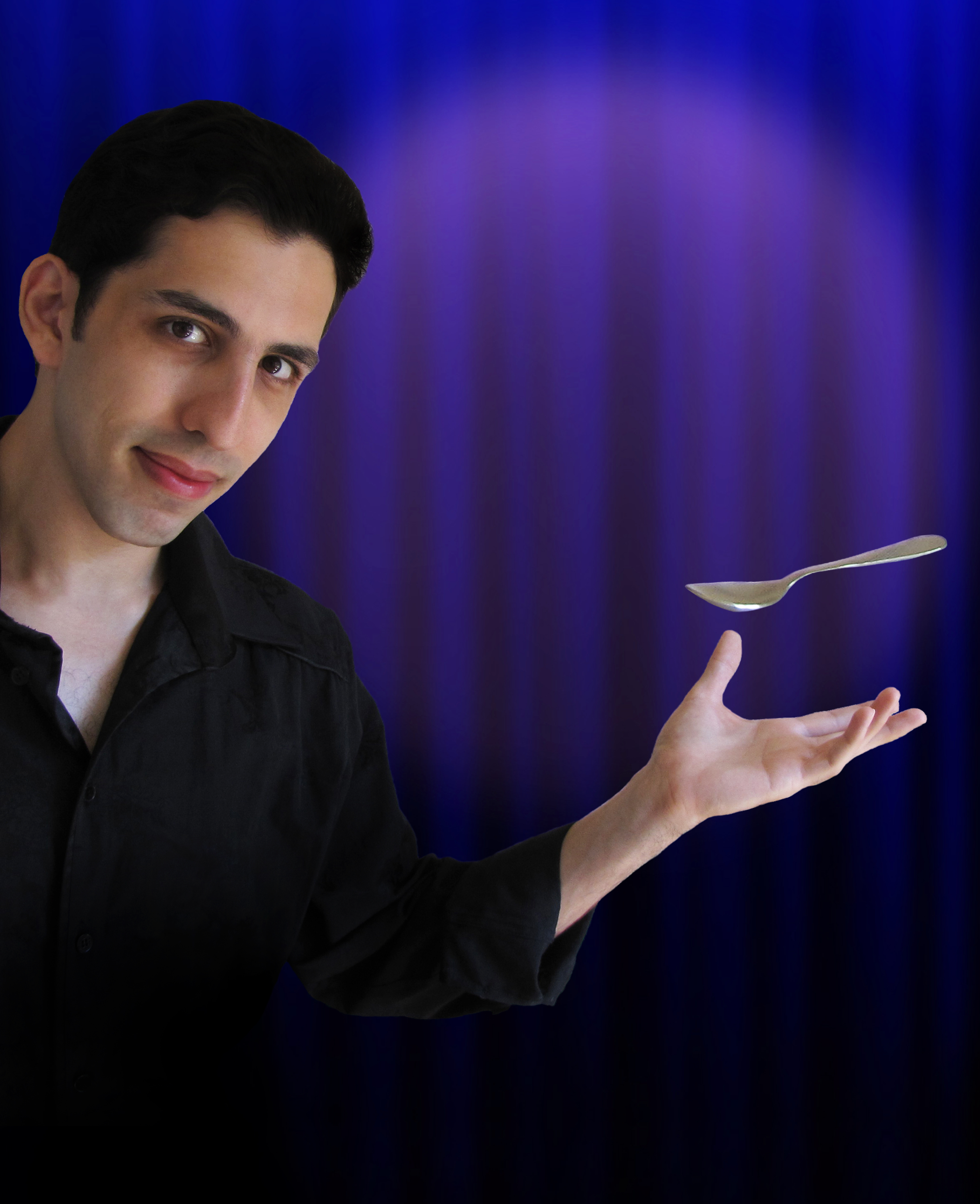 Photo courtesy of Vitaly Beckman
QNS: How did your family react when you decided to become a magician?
VB: They weren’t thrilled with this idea and were hoping I will change my mind. An engineer sounded a lot more practical at the time.
QNS: If you had one real magical power, what would it be?
VB: I would want to be able to freeze time. Or slow it down.
QNS: What does magic mean to you beyond entertainment?
VB: It is a way of living, thinking, communicating and expressing myself. I think about magic ideas whenever I look at something. I work on constantly creating new things and get incredible satisfaction when it works in front of an audience just as I imagined it in my head.
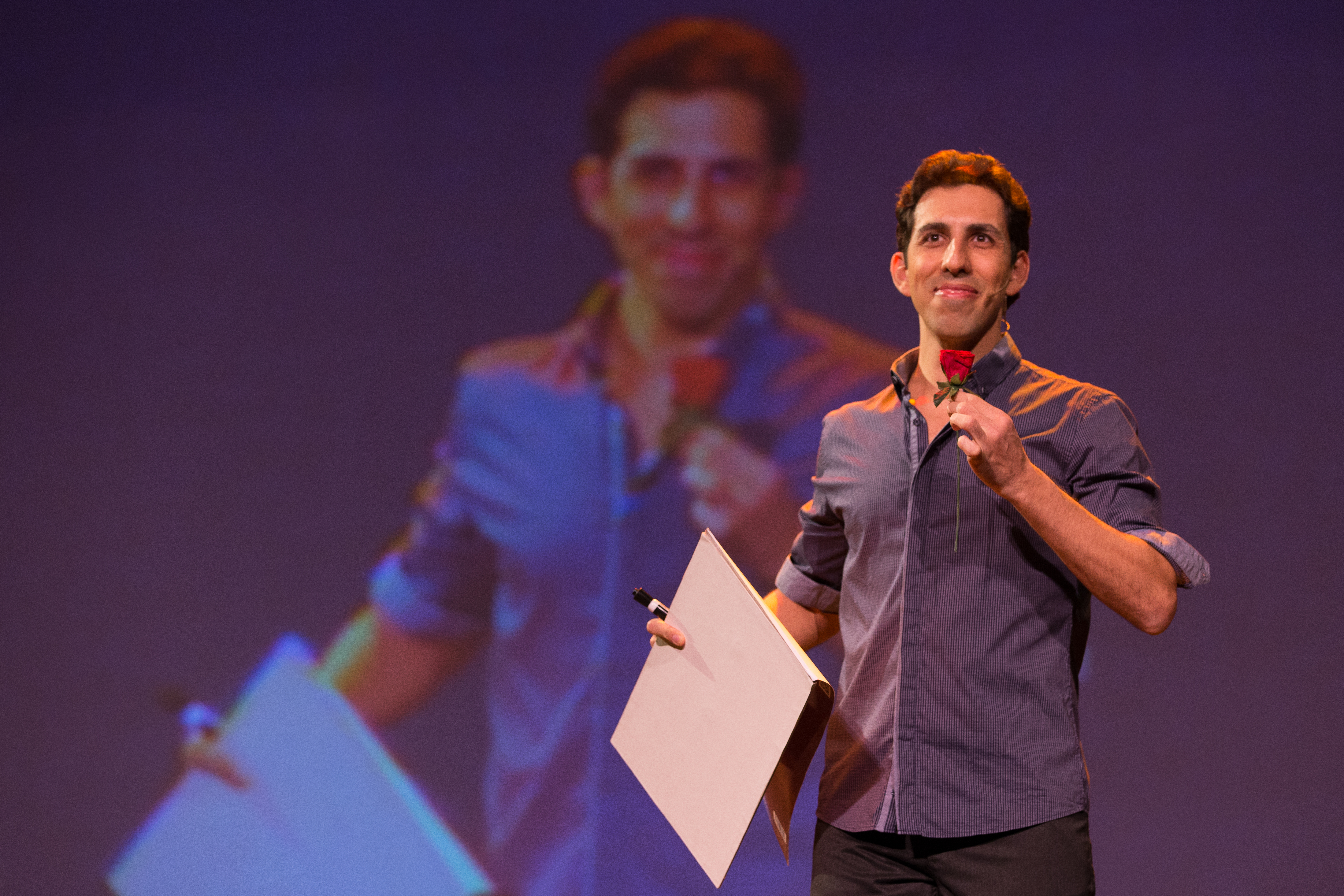 Photo by Joshua Feist
QNS: Do you think magic helps people believe in the impossible?
VB: Absolutely! When we see something incredible happen live on stage, where we are part of the experience, it just reminds us that there is more to life than we think, and we forget about our problems for a bit. I also think there is magic in real life, if we dare to see it.
QNS: How has technology changed the world of magic?
VB: Magic has always been competing with technology. There are some illusions that may need to be retired once technology manages to achieve something similar. For example, the first illusion I performed on Penn and Teller, I created before the existence of iPads. It’s a photo of a bus that comes to life. Then iPads appeared and some audiences started to think that it’s an iPad. However, in some ways, they were even more stumped later, when I gave the photo out as a souvenir! In the more recent illusion I did on the show, where an oil painting sitting on stage matched the fruits that the host Brook Burke arranged earlier on a table, some viewers thought the painting was a digital frame. So, in my recent shows, I decided to let the audience touch it and feel that it’s a real painting. Technology seems to be one step behind magicians who dream things up first, and later on, some of it may become a reality.
QNS: What makes a magic performance truly unforgettable?
VB: It’s usually up to the performer. A sophisticated apparatus or clever illusion is not enough to amaze an audience. It’s about connecting with them and taking them on a journey. Just like theater. Magic just blurs the lines between reality and illusion and when well done, can be an unforgettable experience!
 Photo by Damien James
QNS: How important is storytelling in a magic show?
VB: It’s very important in my performances, as I’d like to take an audience on a journey and make it an immersive experience. A good magic performance can resemble a good piece of theater.
QNS: What still makes magic magical for you?
VB: It’s the performance of it, in front of a live audience. It is the audience that makes it magical for me because it is only through them watching and reacting to it that I am able to experience it myself again.
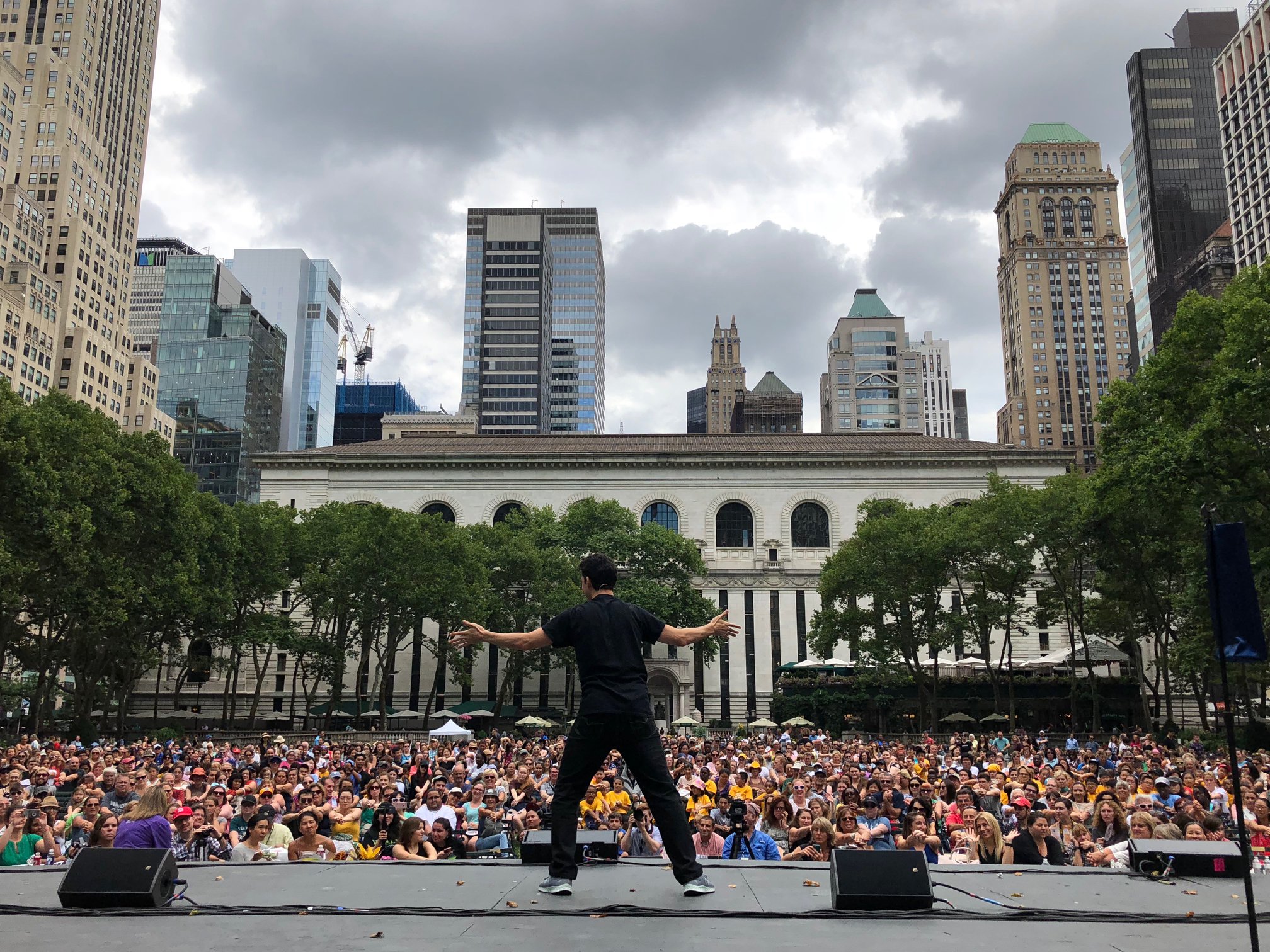 Photo courtesy of Vitaly Beckman
QNS: What is the greatest lesson magic has taught you about human nature?
VB: That despite our many differences, we all have a lot in common. And while reactions to magic can vary a little, it is mostly a cross-cultural experience, like music. It can certainly break down barriers between people.
 Photo by Jeremy Daniel