
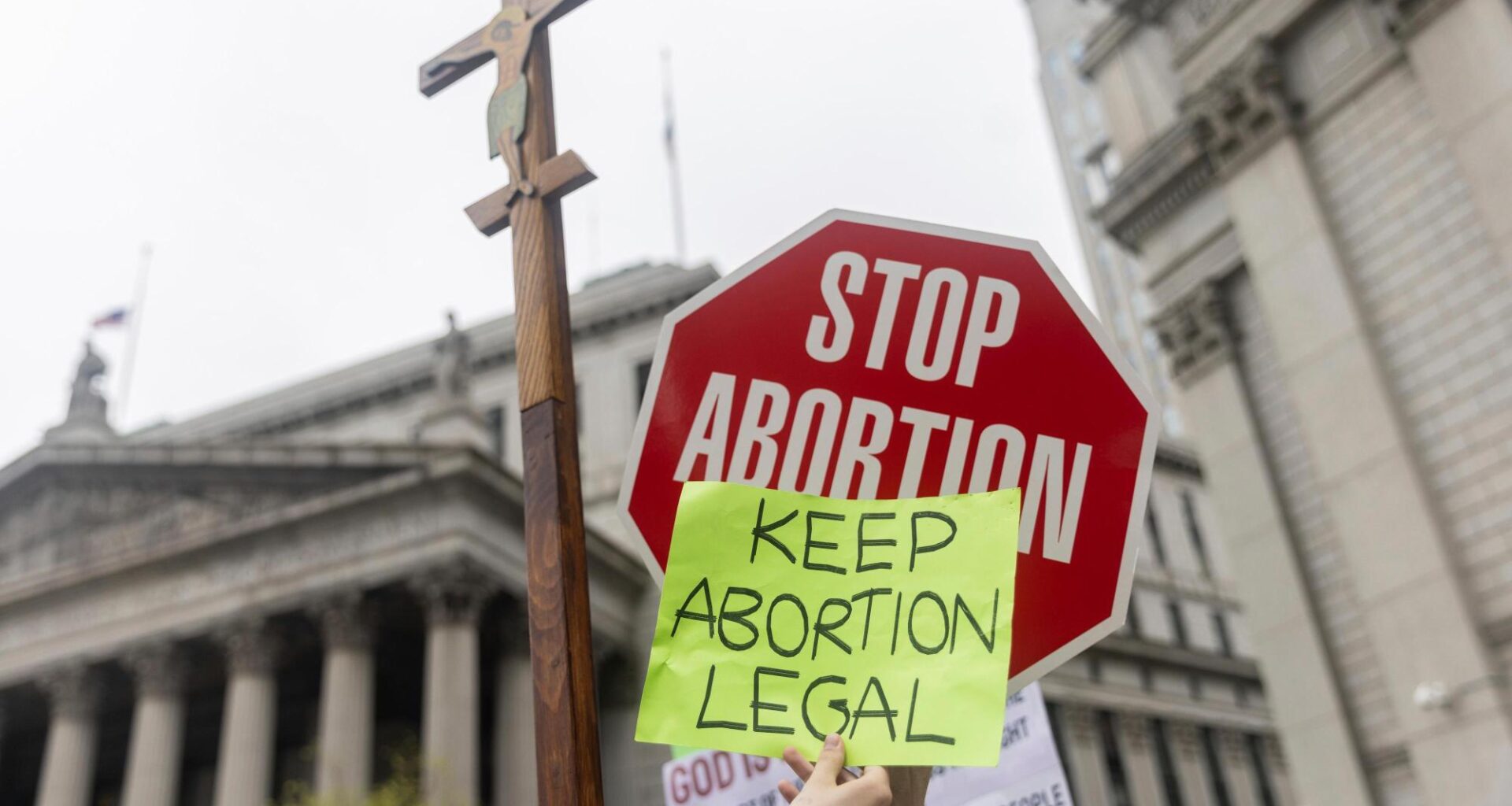
If Virginia voters approve Ballot Question 1, which would add abortion rights to the state constitution, a hearing in a lawsuit challenging the amendment is scheduled for Nov. 13 in Tazewell County Circuit Court. The plaintiffs are seeking a preliminary injunction to prevent certification of the referendum results.
The court has denied the state’s motions seeking to prevent a post-election hearing in a lawsuit brought by Founding Freedoms Law Center, the legal arm of the conservative Family Foundation, challenging the proposed constitutional amendment.
The lawsuit, filed in April, alleges that the ballot question presented to voters is materially misleading.
The full question appearing to voters reads: “Should the Constitution of Virginia be amended to (i) protect the freedom to make personal decisions about prenatal care, childbirth, postpartum care, birth control, abortion, miscarriage management, and fertility care; (ii) protect doctors, nurses, and patients from being punished for these decisions; and (iii) allow for restrictions on access to abortion during the third trimester of pregnancy except when the patient’s health is at risk or the pregnancy cannot survive?”
The lawsuit claims that the ballot question fails to inform voters that the amendment would overturn many significant aspects of Virginia regulatory authority, including Virginia’s parental consent law. State law generally requires an unemancipated minor to receive consent from a parent, guardian or another authorized adult before getting an abortion. A minor can instead ask a judge for authorization, and the law includes exceptions for medical emergencies and cases involving suspected abuse or neglect.
The full text of the proposed amendment establishes the right to abortion care for “every individual,” and does not address minors or parental consent. It’s unclear, at this point, what effect the amendment would have on the state’s existing parental consent law, but it will be ripe for litigation if voters approve it.
The lawsuit also alleges failures to follow procedures for advancing the proposed amendment. It cites a statute requiring copies of proposed amendments to be distributed to circuit court clerks and posted at courthouse entrances at least three months before the intervening House of Delegates election, held in November 2025. The plaintiffs allege those steps were not completed in Tazewell and some other jurisdictions. The statute was repealed earlier this year retroactively to July 1, 1971, and the validity of that repeal is among the issues in the case.
“We are excited for the opportunity to get into court right after the election, if necessary,” said Josh Hetzler, executive director of the FFLC. “Not only would this proposed abortion amendment be a disaster for policy reasons, but it would undermine trust in our democratic processes because of the flawed and deceptive means by which it will have passed. We cannot allow that to happen.”
The same legal group also filed a lawsuit last week on behalf of a pastor challenging Ballot Question 2, which would remove the defunct ban on same-sex marriage from the state Constitution. The lawsuit alleges the same procedural defect raised in the abortion amendment case: failure by the House Clerk to send, and local clerks to post, copies of proposed amendment language at local courthouses before the intervening 2025 election.
© 2026 Richmond Times-Dispatch, Va.. Visit www.timesdispatch.com. Distributed by Tribune Content Agency, LLC.