
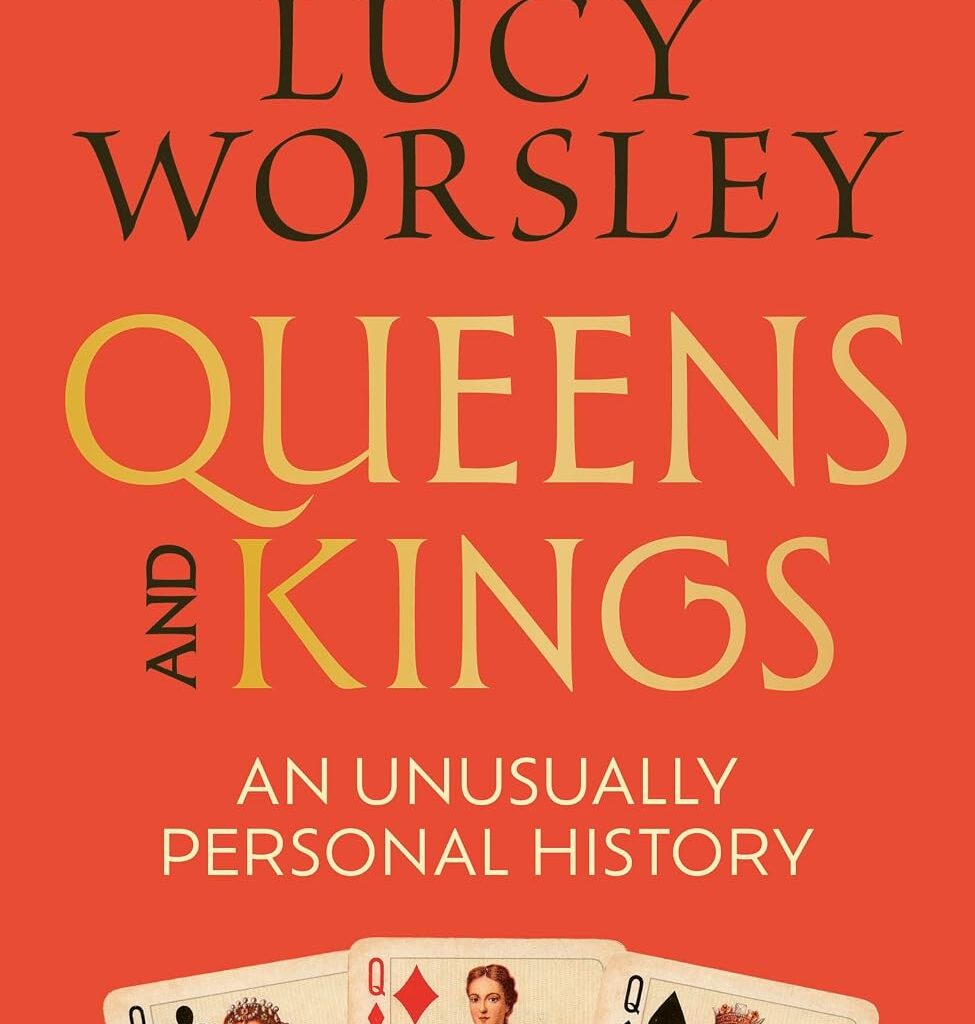
As I have previously read Queen Victoria by Lucy Worsley, you can imagine that I was genuinely excited for her writing more about Queen Victoria’s internal life. In previous sections to the book Queens and Kings, we have seen the realities that Lucy Worsley has revealed to us, dismantling the mythologies that surround these monarchs, often plumped up by propaganda and dramatisations. I was often struck by how much time she spent simply discussing Queen Victoria before I recalled her book in which ten of the most important of her days are chosen out of her life and told almost in great detail and episodically. This section is almost like the opposite of that. Victoria’s life is now compressed so that each thing is of importance to her, but none more than herself and her own personality – something that changed over time though it took us a long time to understand why.
One of the things that the author tells us is that though the public perception of Queen Victoria is to talk about her beside her husband, Prince Albert, we must also remember that her marriage was actually quite a small part of her life and she did not in fact, go into continuous mourning afterwards (though it would be making up her wardrobe). We are met with the crossroads. Most of what you would have been taught about Victoria is that after Albert’s death she stepped back into her private life more than ever though, this is not true at all. The other side, the more factual side of the road is that Queen Victoria did step back a bit, but this was because she was suffering as she moved towards middle age as a woman, she was travelling and writing about her experiences for public view and she was still ruling though from behind the scenes, letting Parliament deal with the more political stuff. Lucy Worsley makes sure we are aware that Queen Victoria’s life was still full and well after Prince Albert’s death though it did have a terrible impact on her for a while.
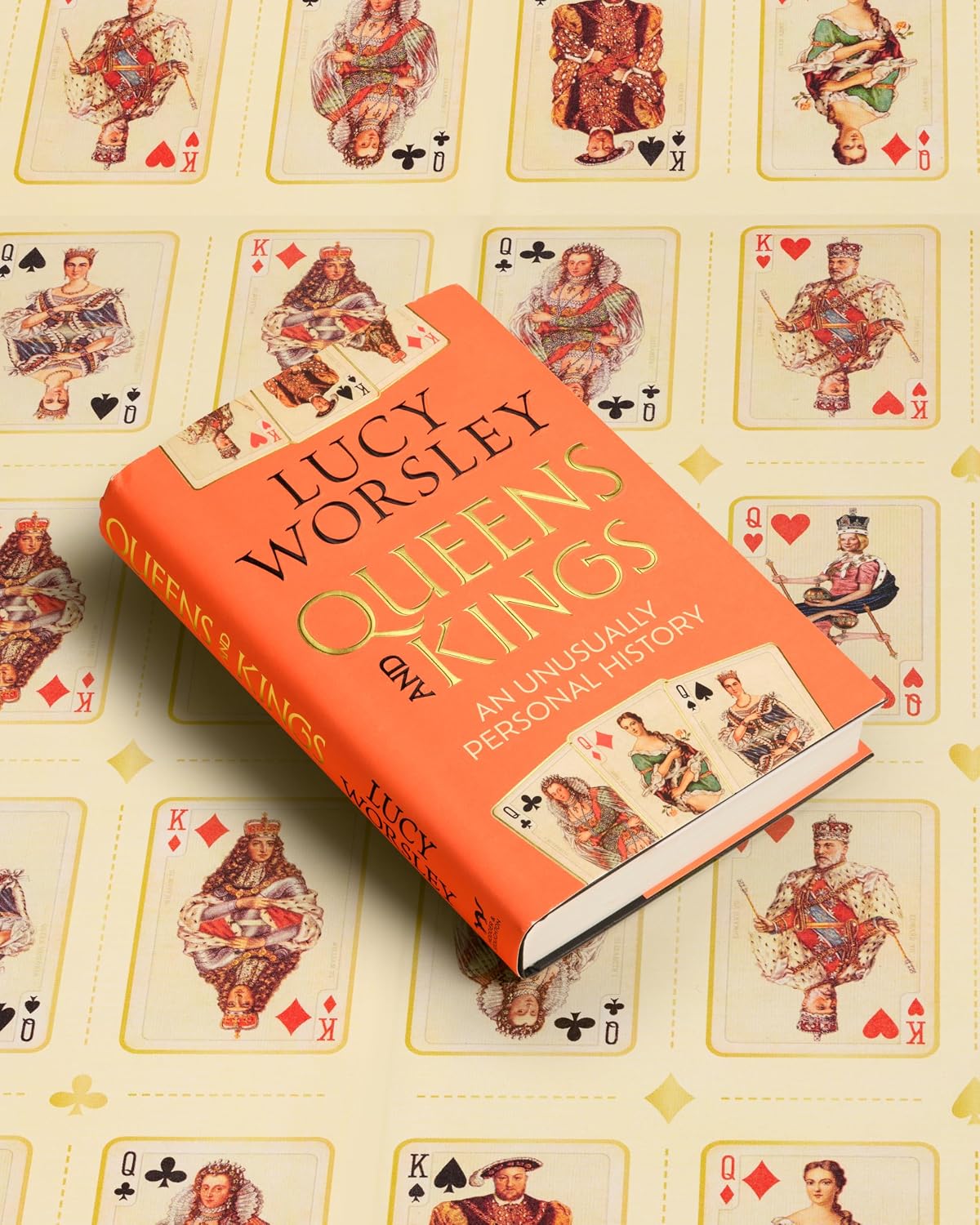 From: Amazon
Another point Lucy Worsley makes is that there are many things that Queen Victoria was unprepared for, including becoming the Queen of England. Worsley admits that she initially didn’t believe that Victoria was not even allowed to descend the stairs on her own for fear that she would be harmed in any way. Once getting deep into studying something else, she found references to the event having taken place as a normality in the household. This is something I really enjoyed reading about because one thing Worsley makes clear is that there are so many things we may believe to be true or untrue from history that we can only know for sure when we find evidence of it happening. Like with to what level George III’s madness was dramatised, Queen Victoria’s overbearing mother and family-friends have their evidence and thus have been brought into fact.
Lucy Worsley also makes light of the way in which Queen Victoria interacted with her children. In many accounts throughout modern history, we see Queen Victoria painted as a cold and demanding mother, often ignorant of her children and their personalities and yet, Worsley states that this couldn’t be further from the truth. Why? Well because the sources many look at come from Victoria’s interactions with political men in which her children would be rarely, if ever mentioned at all. Nobody seems to have bothered, according to Lucy Worsley, to look at the Queen’s interactions with women through her letters. In these letters, Victoria discusses her children with love and care, in great detail and with compassion – one that a mother definitely has for her own offspring. So we can definitely see the male-washing of history going on, something which we can see definitely annoys our author more than a lot of things as it presents a great inaccuracy in the accounts of what actually was.
I am so excited to move on to the next section where we will see Bertie’s reign and how he ultimately disappointed his parents so much that he was blamed for his father’s death. On the contrary, I’m also excited to learn about the modernisation of the monarchy, learning from Victoria’s example and taking a political backseat somewhat.