
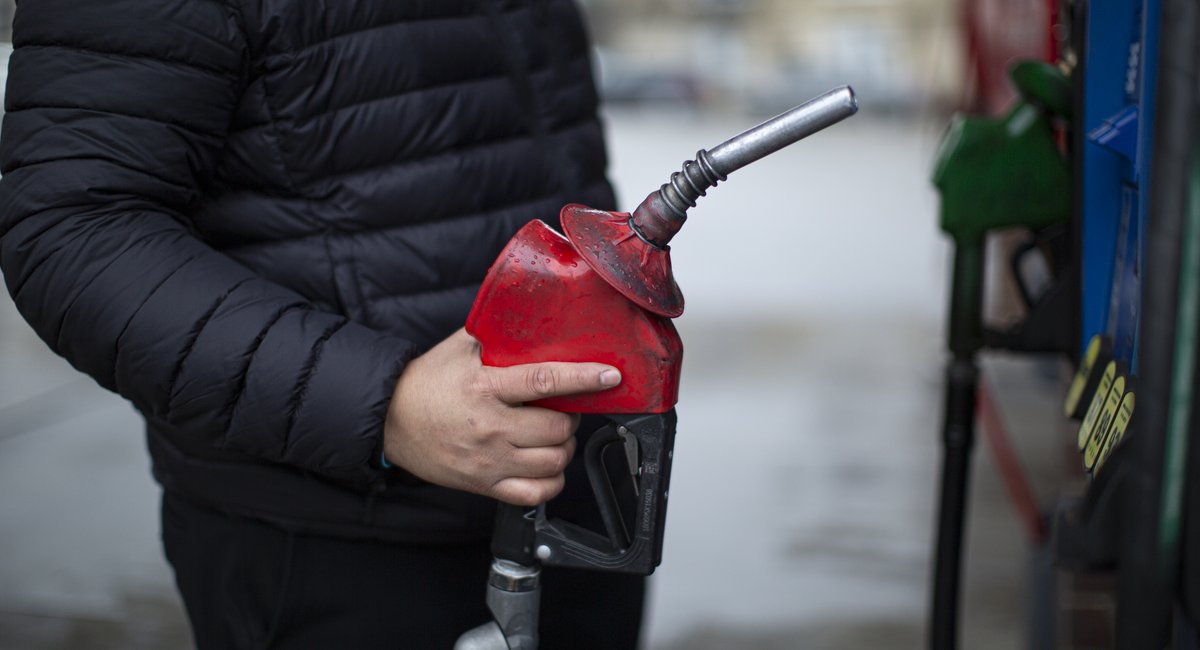
The cost of living is top of mind for most New Yorkers — and the price of gas this year is playing a big part.
After the U.S. and Israel launched strikes on Iran starting in February, global gas prices rose as the geopolitical makeup of the Middle East created a strain on oil tankers traveling through the Strait of Hormuz. That passage typically carries more than 20% of the world’s oil trade.
The conflict is impacting New York, which already pays more for gas compared to states like Texas and Louisiana, located closer to oil production and refineries.
But according to Patrick De Haan, who leads petroleum analysis at the gas price monitoring platform GasBuddy, New Yorkers can expect gas prices to lower in the coming weeks as the winter season approaches. The big caveat: The Trump administration doesn’t ramp up attacks on Iran after the midterm elections.
“ Generally, we do see gas prices fall most years in the autumn. [It’s] a combination of Americans that start to stay closer to home and aren’t driving as much in colder weather now that the summer is kind of behind us,” De Haan said. “As well as a seasonal switch over to cheaper winter gasoline, which happens every year in September.”
According to the platform’s own data, New York City’s average gas price in the last week — based on a survey of more than 1000 stations — is $4.37 per gallon. A year ago, the city’s average price was $3.10 per gallon.
This year has been nothing but ordinary for diesel prices as well. De Haan said targeted airstrikes over the summer of oil refineries in Russia by Ukraine in the ongoing war between the two European nations have peaked diesel prices.
“ Diesel prices in the last month have set new records in just about every U.S. state,” he added.
The underlying effect of higher diesel prices on the everyday New Yorker — who relies on public transportation — is on the MTA’s balance sheet.
Transit agencies like the MTA typically ink longer-term fuel contracts and lock in pricing for months at a time to supply their buses or a crop of their diesel-powered work repair trains. While the influx in global diesel prices might not affect the transit agency now, De Haan said a future with prices staying high could.
“The higher cost of diesel will eventually likely cause these agencies to have some imbalances in their budget and whether or not they raise fares or they somehow find revenue to offset that somewhere else is up to the respective agency,” De Haan said.