
Despite the Chapter 11 filing affecting its franchisees, Freddy’s corporate parent has not filed for bankruptcy and continues to operate independently.
Photo : iStock

In another sign of turbulence in America’s fast-food industry, M&M Custard, one of the largest operators of Freddy’s Frozen Custard & Steakburgers, has filed for Chapter 11 bankruptcy protection in the US Bankruptcy Court for the District of Kansas. The filing, made public on Friday, lists $5.2 million in assets and $27.7 million in liabilities, with up to 199 creditors awaiting settlement.
The Kansas-based franchise group manages dozens of Freddy’s locations across Missouri, Kansas, Illinois, Indiana, Kentucky, and Tennessee. Court documents state that M&M Custard’s stores will remain open during restructuring as the company reorganises debt to “stabilise operations.”
The move marks a significant setback for Freddy’s, a brand often described as a Dairy Queen rival due to its focus on custard-based desserts and fast-casual burgers. M&M Custard’s bankruptcy filing underscores how economic pressures, inflation, and declining middle-class spending power are battering once-stable restaurant chains.
Economic Pressure Mounts on Fast-Food Operators
The Chapter 11 protection for M&M Custard comes during what analysts have called a historic contraction in the fast-food and casual dining sectors. Companies dependent on low- and middle-income consumers are facing reduced foot traffic and sales, while costs for food, labour, and rent continue to climb.
According to filings cited by Newsweek, M&M Custard’s liabilities far exceed its assets, leaving the company with little choice but to restructure. Its court documents also confirmed that 31 affiliate locations are tied to the bankruptcy case. Despite assurances that operations will continue, local media reports indicate that some Freddy’s outlets may close as part of the reorganisation.
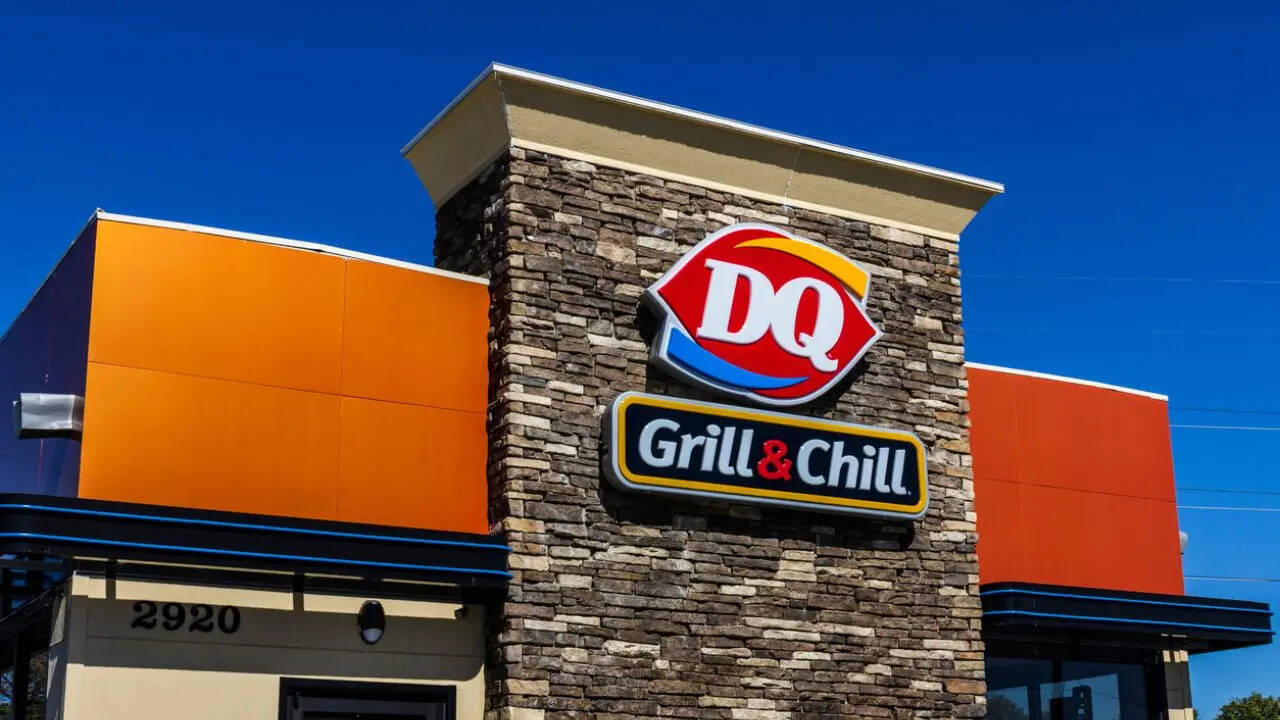
The trend isn’t isolated. Dairy Queen, another major player in the frozen dessert and grill segment, has closed dozens of stores across the US in 2025, including several in Texas. The closures stemmed from a legal dispute between franchisees and Dairy Queen’s corporate office involving royalty payments and mandatory store remodels.
In a statement cited by Newsweek, restaurant consultant Neil Kiefer, CEO of Hooters, said: “It’s a tough time for just about everybody in the restaurant industry and the hospitality business. Margins are getting crushed, and operators are having to make painful decisions.”
Industry-Wide Headwinds: Consumers Pull Back
Economic conditions continue to test even the biggest brands. McDonald’s CEO Chris Kempczinski recently told analysts that traffic from low-income consumers had fallen nearly double digits for a second consecutive year, while upper-income diners remain more resilient. “We continue to remain cautious about the health of the consumer in the US,” he said on a November earnings call.
Similarly, Chipotle CEO Scott Boatwright noted that declining consumer sentiment and high debt levels have hit lower- and middle-income diners hardest. “This trend is not unique to Chipotle and is occurring across all restaurants,” he said in October. “Unemployment, student loan repayments, and slower wage growth are forcing customers to eat out less frequently.”’
The combined impact of those trends has created a domino effect in the fast-food ecosystem. Smaller franchisees such as M&M Custard, which operate on thinner margins and depend on regional markets, have found it increasingly difficult to absorb cost spikes or withstand dips in foot traffic.