
The Business of Legacy: How BPC Is Rewriting the Future of Live Black Entertainment
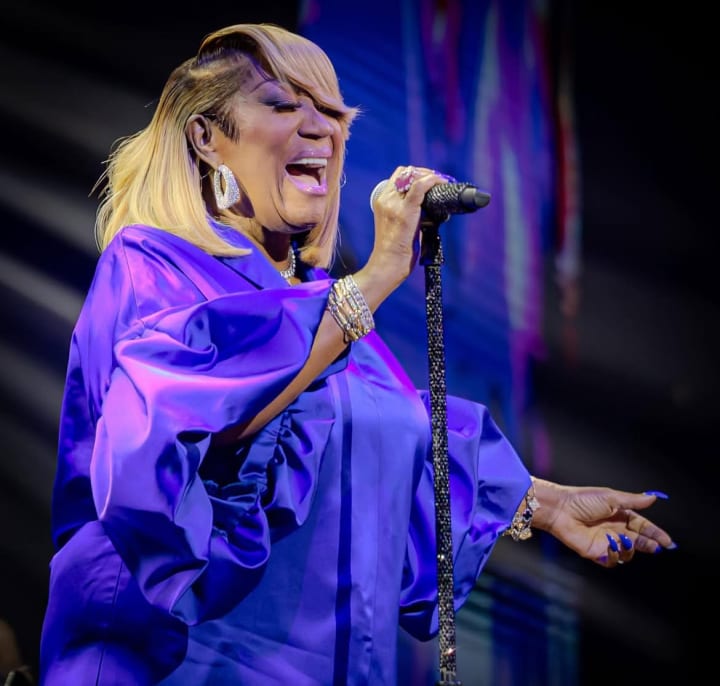 LaBelle Delivering powerhouse notes that leave the audience in awe
I spent many years watching our legends battle for the space they earned long ago. Too often their brilliance is acknowledged in speeches but not in stages, ticket sales or major platforms. That is why the extension of “The Queens! 4 Legends. 1 Stage.” tour into 2026 feels like more than a schedule announcement. It feels like a cultural course correction. It feels like a moment shaped with intention by the Black Promoters Collective, a group determined to shift the balance in an industry that rarely places ownership and legacy in the hands of the people who built the culture.
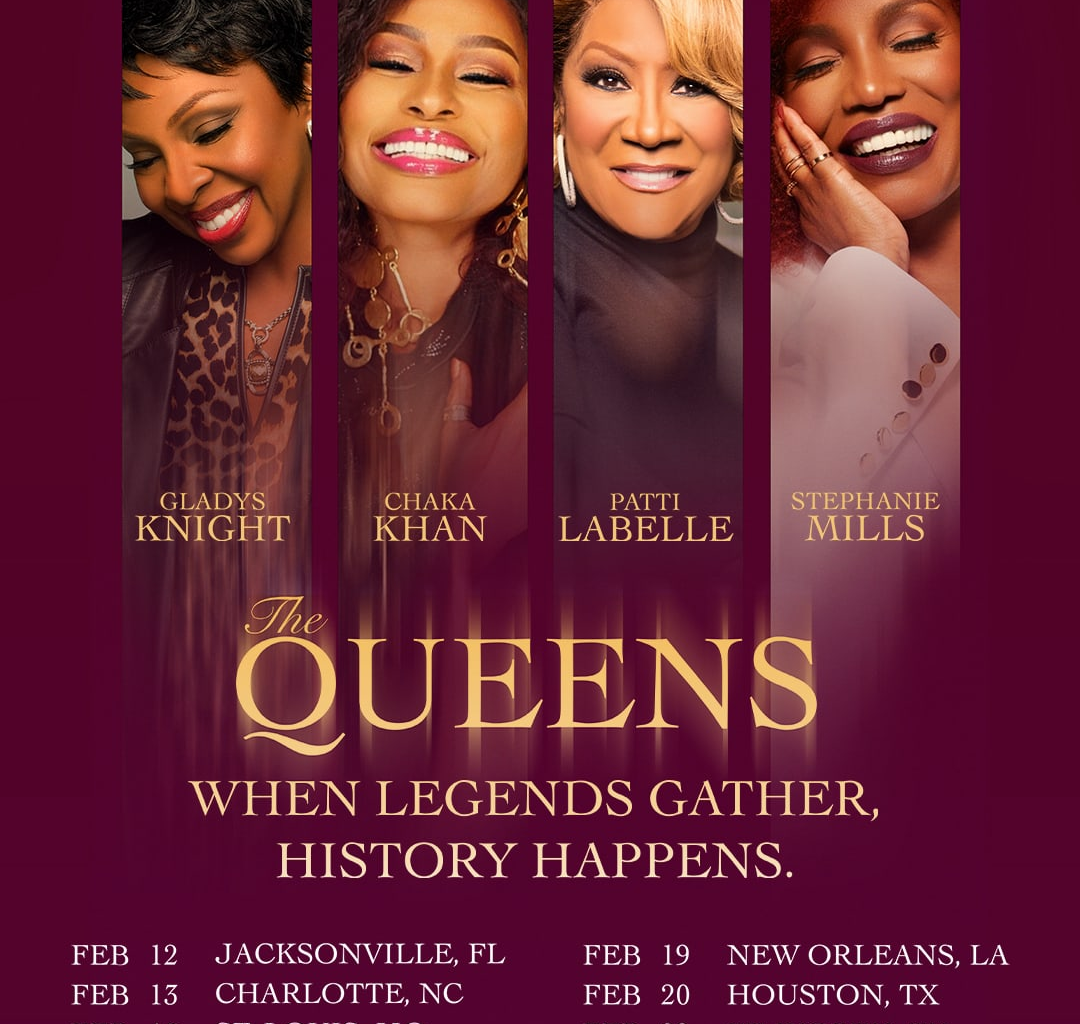
Chaka Khan, Patti LaBelle, Gladys Knight and Stephanie Mills represent over two centuries of combined artistry. They are the soundtrack of our homes on weekend mornings , our mother’s homes and the homes that came before those. Their voices shaped weddings, breakups, Saturday morning cleaning days and the moments when we needed to feel strong. Seeing them together already feels historic. Seeing them championed by one of the only wholly Black owned company on Pollstar’s Global Top 100 Promoters list brings a deeper meaning that reaches beyond a concert experience.
When I first learned that the tour would continue into 2026 with new dates beginning in Jacksonville, Charlotte, St. Louis, New Orleans and two cities in Texas, I felt excitement. It reminded me of the first time I watched these women command a stage. They moved with a confidence that taught the girls that came after them what elegance mixed with courage looked like. Now myself and the rest of the world have the privilege of watching them fill arenas again because a collective of black promoters understood the value of elevating them with the care and strategy usually reserved for the newest names in the industry.
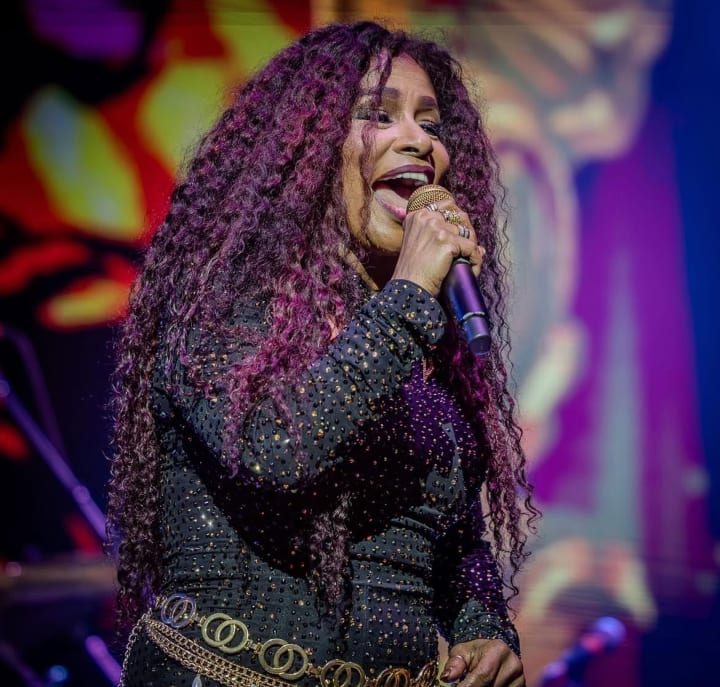 Chaka Khan Commanding the stage with her signature energy and timeless vocals
The BPC has been building something powerful since 2022. Within a brief timeframe they climbed into global rankings and placed themselves among the biggest promoters in the world. Their rise did not happen because they chased every trend. It happened because they centered culturally relevant entertainment that speaks directly to the audiences who shaped modern music. They stepped into spaces where representation was limited and proved that black leadership in live events is not only possible. It is necessary.
Working in entertainment often means confronting hard truth. Many performers who once dominated charts are treated as niche acts once a younger wave emerges. Fans may still adore them but corporate gatekeepers shift their attention to the next superstar who fits the current market. That cycle does not always leave room for veterans whose music still commands respect. The BPC chose to break that pattern. They invested in the women who influenced generations of singers, musicians and storytellers. They created a tour that treats these icons with the reverence they deserve and they did it with purpose.
As I watched the social reactions from audiences during the first two runs of “The Queens” it was clear that this was more than nostalgia. It was restoration. It was a celebration of women who survived the pressures of a male dominated business and emerged as pillars of artistry. These are women who shaped culture long before social media and streaming turned music into a fast paced race for visibility.
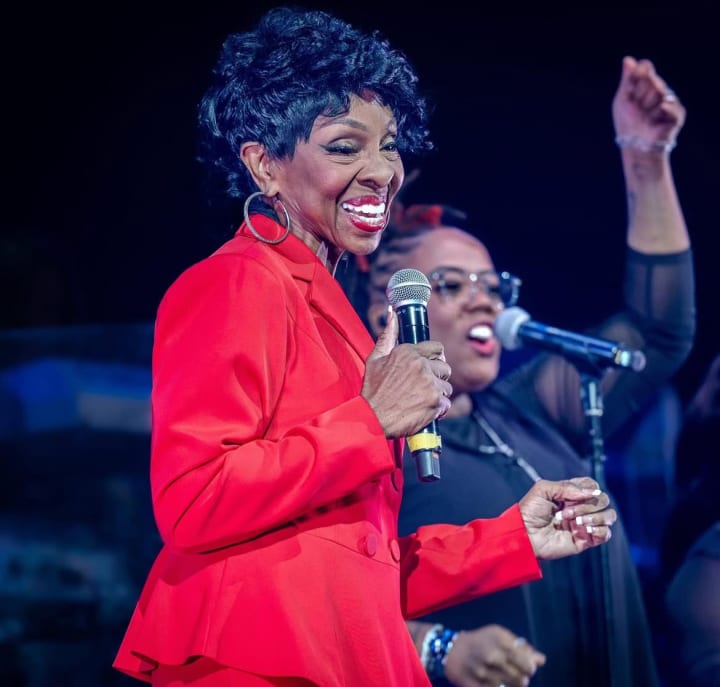 Gladys Captivating fans with her soulful storytelling and unforgettable presence.
The decision to bring the tour back for another run shows the growing appetite for shows that honor legacy. It also proves that the collective understands the unique relationship between black audiences and the legends they grew up admiring. They did not position the show as a throwback event. They positioned it as a masterclass in performance and a celebration of longevity. That framing changed everything. It made the tour feel like a living history lesson supported by people who take cultural preservation seriously. Every city on the 2026 schedule will have the chance to witness that impact. The arenas chosen reflect the scale of the moment. These women are not performing in small venues. They are commanding major stages filled with fans who want to hear the music that shaped entire eras. They are returning to the spotlight with the support of promoters who believe in them as much as the audience does.
As a music writer, I am often asked what makes a moment feel important. My answer rarely changes. intent matters , leadership matters. Community matters. When I look at this tour and the team behind it, I see a combination of all three. I see an organization committed to adding value to the cultural landscape instead of simply extracting from it. I see promoters who understand the responsibility of highlighting the women who taught us how to love, heal and show strength through song.
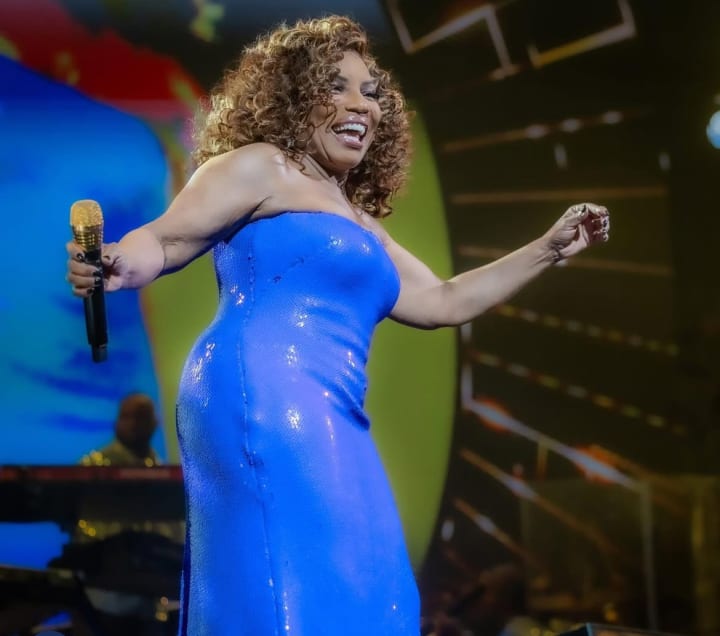 Stephanie Mills Bringing emotional depth and pure vocal brilliance to every song.
The Black Promoters Collective deserves appreciation not only for producing a successful tour but for redefining what success looks like for black entertainment leaders. They stepped into an industry where control is often concentrated in places that do not reflect the communities being served. They built a model that proves black ownership can thrive on a global scale while remaining rooted in authenticity. They honored our legends in a way that feels both timely and timeless. The Queens tour is more than four icons on one stage. It is a reminder of what is possible when vision meets intention. It is proof that our legends still reign. And it is a proud example of what happens when black promoters decide that our stories, our voices and our leaders deserve the spotlight.
All Photos by Craig Hunter Ross