
Landlords are on the hunt to find ways to reduce expenses on rent-stabilized apartments as costs balloon and a potential rent freeze looms.
An increasingly popular avenue is Article XI, a New York City program that eliminates real estate taxes, one of owners’ largest operating costs. The incentive has the potential to stabilize some buildings in financial crises — but under the condition that landlords rehabilitate their assets and, in certain cases, restrict the rent they can charge.
“New York City has a very high tax burden on multiple dwellings, so that problem goes away,” Adler & Stachenfeld partner Alvin Schein said. “You’re freezing the building in place so that it’s no longer a really great economic asset, but it makes enough money to get by.”

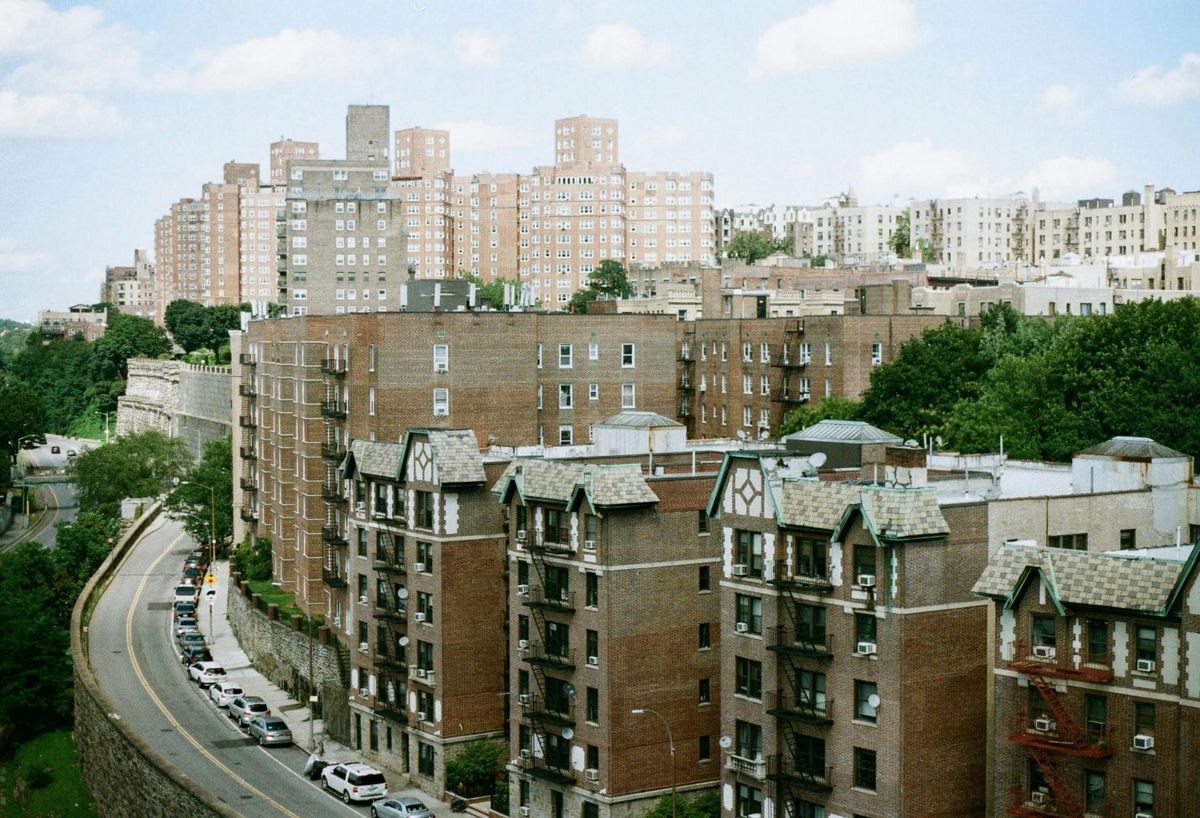
More than 60% of apartments are rent-stabilized in the Bronx, according to the Rent Guidelines Board.
Between April 2024 and March 2025, costs for buildings containing rent-stabilized apartments increased by 6.3%, according to a report by the Rent Guidelines Board. Aggregate real estate taxes, which account for approximately 29% of overall operating expenditures, rose by 3.9%.
Receiving an Article XI exemption removes that tax burden, either partially or completely, for 40 years, but it also limits a landlord’s ability to turn a profit.
Article XI, alongside other tax incentive programs, added more than 3,100 units to the city’s rent-stabilized housing stock in 2024, skyrocketing from just 88 units the prior year, according to an RGB report.
“The reason we’re seeing more of [Article XI] is because the buildings do need rehabs,” BBG Real Estate Services Managing Director Matthew DeBlasio said.
To apply, landlords must form a housing development fund corporation, a nonprofit structure subject to increased supervision by the New York City Department of Housing Preservation and Development.
Then, owners must negotiate an agreement with HPD over what changes will be made to the building in exchange for the tax abatement. The city council signs off on the final deal.
Rehabilitation is core to Article XI. Among HPD’s considerations is whether the tax exemption is necessary to make repairs financially possible and whether housing conditions will be immediately improved.
There are other trades landlords may have to make. That includes converting any market-rate apartments in their building to rent-stabilized or making units affordable to renters at lower income levels.
Schein called the process “slightly schizophrenic” in that landlords may be eliminating ways to increase cash flow for lower taxes.
“With Article XI, you don’t know if it’s going to happen until it happens,” Schein said. “There are some things that could happen along the way that throw it off track, and not every application gets approved.”
Douglaston Development applied for the tax break at a 50-unit Upper East Side apartment building last year. The majority of the buildings’ units — between 38 and 41 — were already rent-stabilized, but under the deal, the building would become fully regulated. Article XI would save the developer an estimated $26M over the course of 40 years, according to NBC New York.
Tenant groups told the outlet the addition of a dozen or so units to New York City’s rent-stabilized housing stock didn’t justify the tax break, but they said little of the preservation of existing units. Douglaston received Article XI approval, an HPD spokesperson confirmed. Douglaston declined to comment.
Article XI is case-specific. HPD must evaluate the physical stability of the buildings, their housing affordability and the balance sheets of the landlords.
The process is lengthy, in part because city agencies are understaffed. Oftentimes, outside counsel must be hired to navigate the associated bureaucracy and negotiations. That all requires funding that many small landlords don’t have, experts said.
“Essentially, yes, it is a lifeline,” DeBlasio said. “But what we’re seeing here on the ground is that really only large swaths of units are getting approved.”
The level of relief, which can include city-backed loans to fund repairs, varies. And often the deals draw scrutiny from advocacy groups.
Clipper Realty’s portfolio of 2,500 rent-stabilized apartments in East Flatbush was approved for Article XI in 2023 in a deal estimated to be worth $191M.
It required the developer to resolve nearly 3,000 outstanding housing code violations at an estimated cost of at least $25M over three years. In addition to keeping all of the units regulated, the developer agreed to reserve a total of 250 apartments for previously homeless residents as the units become available.
Flatbush Gardens in Brooklyn, a sprawling housing complex, has been exempted from property taxes in a preservation and rehabilitation deal.
However, given the condition of the buildings, tenant groups criticized the deal, saying that the city was essentially giving a negligent landlord a write-off, The City reported at the time. Clipper didn’t respond to Bisnow’s request for comment.
“The big picture from the perspective of the tenants is that they get to remain rent-stabilized, and they will get to see repairs they’ve been denied for years,” Samuel Stein, a policy expert at the Community Service Society, told The City. “The question is, should a landlord who has systematically disinvested in the buildings be rewarded with a large tax break to achieve that?”
HPD Press Secretary Matt Rauschenbach told Bisnow in an email that each applicant is evaluated and allocated staffing response based on the urgency of need.
The process includes sizing the exemption in relation to other possible public incentives, the needs of the property and the level of affordability, he said, adding that Article XI is one of the ways the city supports the physical and financial stability of its affordable housing stock.
The rent reforms of 2019 cut off a variety of methods that landlords used to raise rents and deregulate apartments, leaving gradual increases approved by the Rent Guidelines Board as the only option. That caused property values to plummet, leaving many property owners underwater on their mortgages amid growing inflation.
As of 2024, 57% of the city’s affordable housing owners reported negative cash flow, according to a study by nonprofit landlords National Equity Fund and Enterprise Community Providers.
Plus, much of New York City’s rent-stabilized apartment stock was built before 1974 and is becoming increasingly pricey to maintain. Since 2017, repairs and maintenance costs have risen 35%, according to the report, and insurance costs have doubled.
A wave of multifamily mortgages, which were financed during the period of low interest rates between 2020 and 2022, are coming due. While Article XI wipes away a building’s property taxes, it doesn’t erase the mortgage or give interest rate relief.
“That doesn’t mean you’re staving off a foreclosure in the future,” Compass Vice Chair Adelaide Polsinelli said. “If your mortgage was originated during a period of time where interest rates were much lower and your income was higher, you’re still wading into some choppy waters.”
Add to that an incoming mayor, Zohran Mamdani, who has promised to freeze rents on all rent-stabilized buildings. Landlords have been able to raise rents a cumulative 12% during Mayor Eric Adams’ tenure, and it still hasn’t been enough to cover their rising costs.
“There are all these land mines that could potentially pop,” Polsinelli said.
As buildings age and obstacles fall into place, the need for tax breaks like Article XI will rise. That likely won’t be sustainable, experts said.
“It’s contradictory in that, can you give every apartment owner of the Bronx an Article XI? It’s not economical for the city, because now they’re forgoing taxes,” Schein said. “Where is the money going to come from?”
When asked if HPD has a cap on the number of owners who receive Article XI approval, Rauschenbach said only that the city must monitor its use of discretionary tax benefits.
“HPD’s mission is to ensure that every New Yorker has a safe, affordable home in the neighborhood of their choosing, and the Article XI tax exemption is a powerful tool to advance that work,” Rauschenbach wrote.