
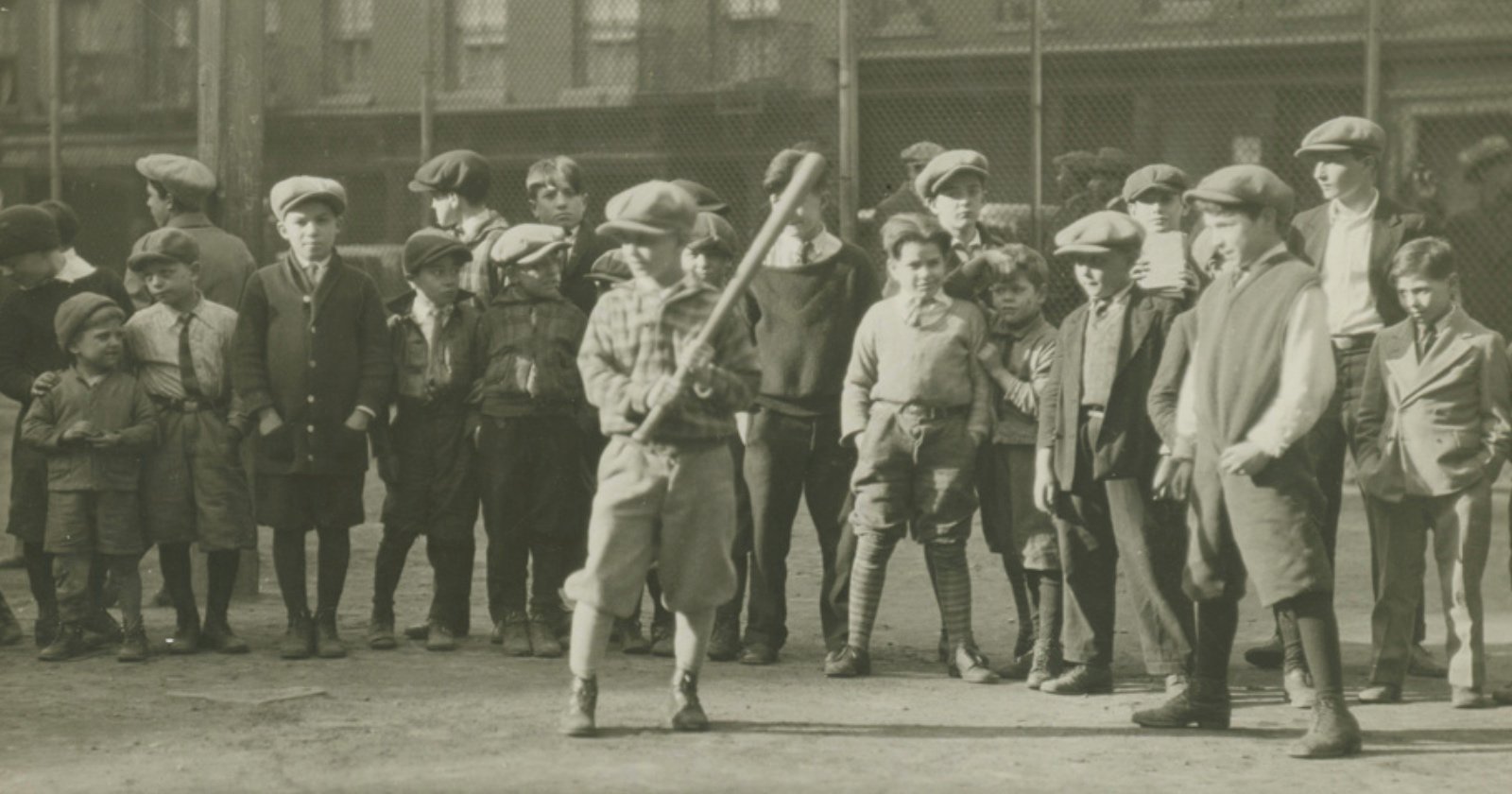
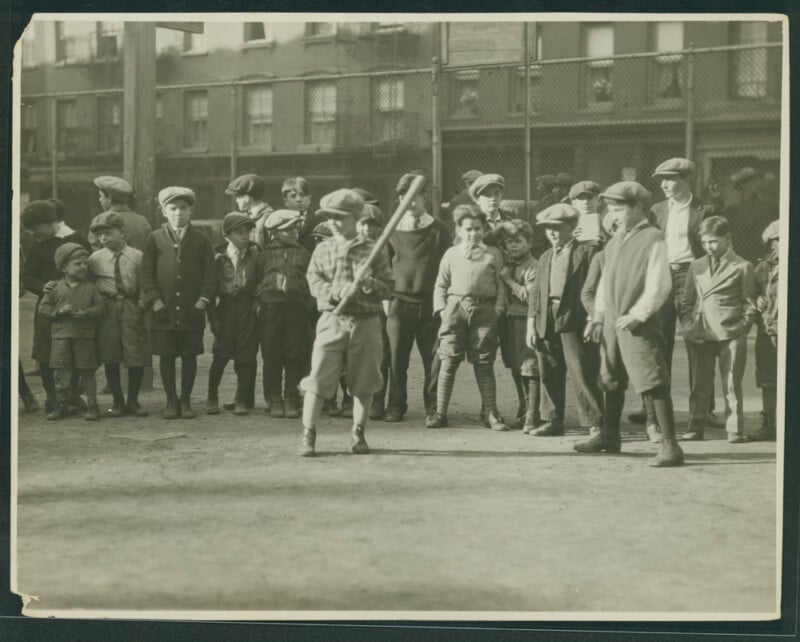
 Manhattan’s Lower East Side was home to several industrial and vocational schools that sought to integrate children of immigrants into American society by preparing them for myriad domestic and manufacturing jobs. (Paul Parker, Boys playing baseball in a school yard, 1915-32 | Patricia D. Klingenstein Library, The New York Historical, Records of the Children’s Aid Society
The New York Historical will open an exhibition this fall that explores the importance of photography in documenting and understanding the immigrant experience of New York City.
The museum’s upcoming exhibition Stirring the Melting Pot: Photographs from The New York Historical Collections presents photographs that reveal how generations of immigrants have shaped — and been shaped by — the city they ultimately called home. The exhibition will be on view from November 28, 2025, through March 29, 2026.
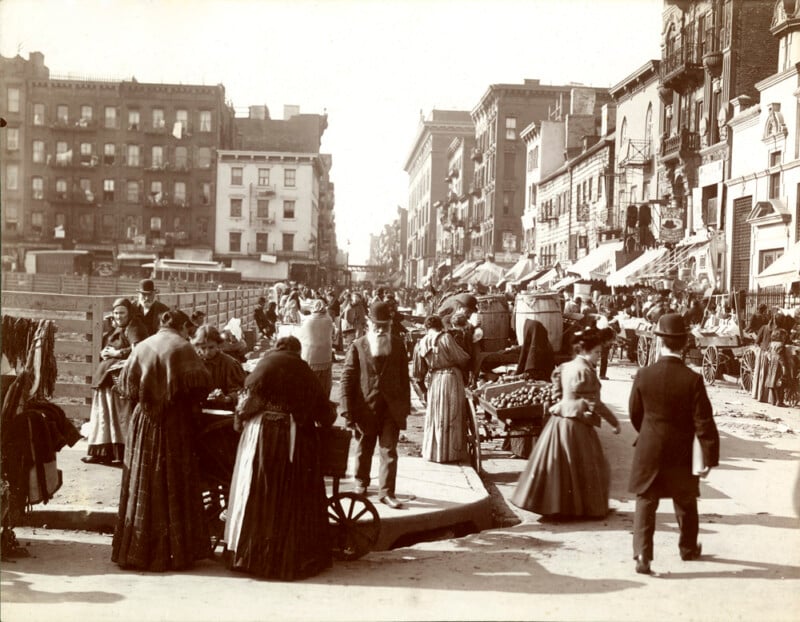 By 1880, New York’s immigrant population had grown exponentially.German-speaking immigrants were the largest group, alongside Irish, Italian, and Eastern European Jews. The streets of the Lower East Side and today’s East Village were teeming with street peddlers and New Yorkers going about their day (Unidentified photographer, Hester Street, West from the Southwest Corner of Norfolk Street, New York City, ca. 1898 | Reproduction Patricia D. Klingenstein Library, The New York Historical, Gift of Samuel V. Hoffman, 1912)
 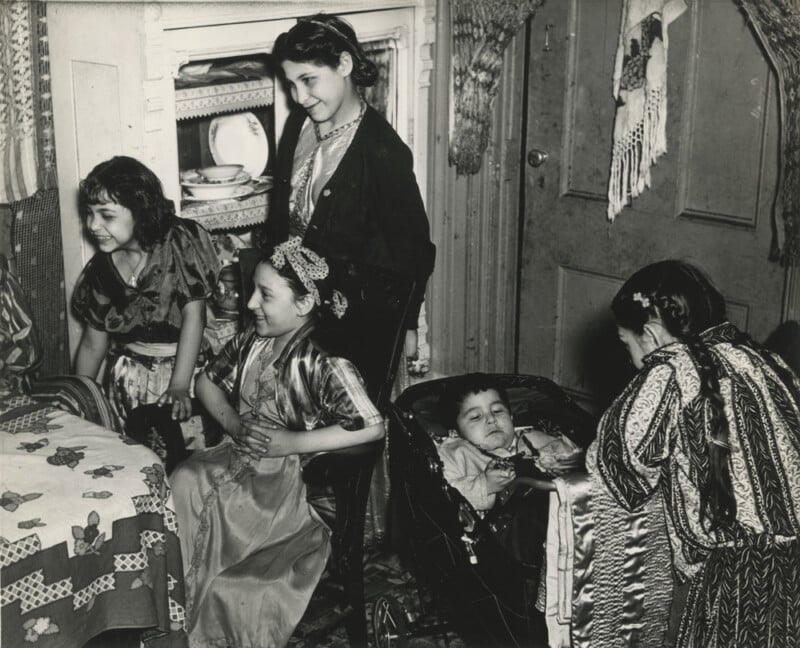 In 1940, Alexander Alland documented New York City’s Romany community and their leader Steve Kaslov, known as ‘the Gypsy King.’ (Alexander Alland, From the photo series ‘Steve Kaslov and his tribe,’ 1941 | Patricia D. Klingenstein Library, The New York Historical, Alexander Alland Photograph Collection)
 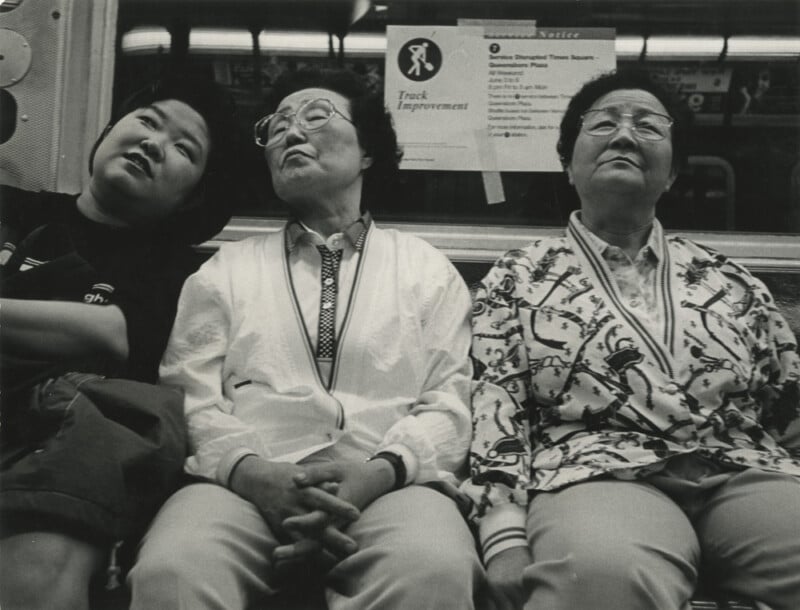 One of photographer Jack Margolin’s favorite subjects was New York City’s mass transit system. A ride on the subway lines that crisscrosses the city’s neighborhoods is often described as “traveling the world. (Jack Margolin, Subway “Side by Side,” 1994 | The New York Historical, Jack Margolin Photograph Collection)
“New York has always been a city of immigrants, and the photographs on view in Stirring the Melting Pot tell the story of resilience, identity, and belonging across generations,” Dr. Louise Mirrer, president and CEO of The New York Historical, says in a press release. “Through candid moments, the images reveal how individuals and families both preserved their heritage and transformed the city itself, creating community along the way.”
Drawn from the extensive holdings of the New York Historical’s Patricia D. Klingenstein Library, the exhibition includes more than 100 photographs and related objects illustrating everyday life in immigrant neighborhoods across New York City. These materials document how newcomers from around the world established routines, built social ties, and left enduring imprints on the city’s cultural and physical environment.
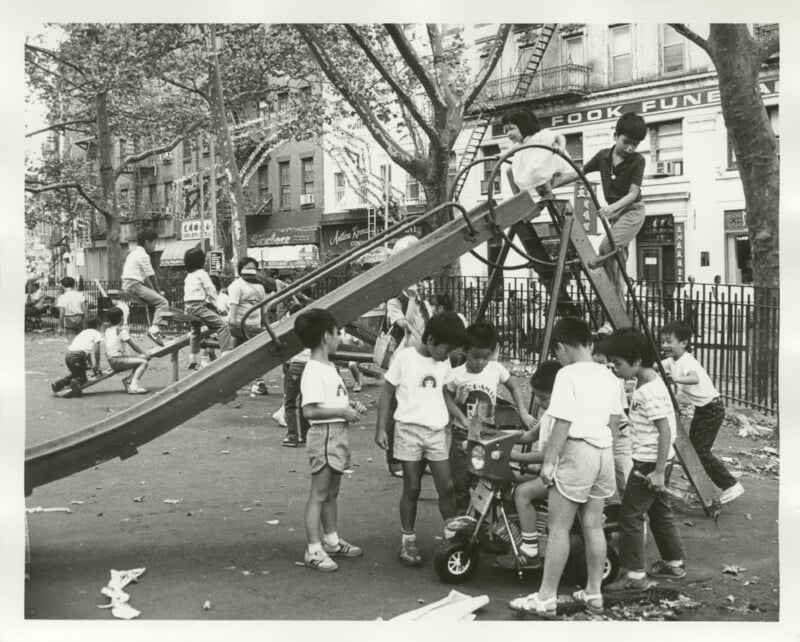 Photographer Eugene Gordon documented New Yorkers’ everyday lives, like the children seen here playing in a Chinatown playground. (Eugene Gordon, Playground, Chinatown, 1985 | Patricia D. Klingenstein Library, The New York Historical, Eugene Gordon Photograph Collection)
 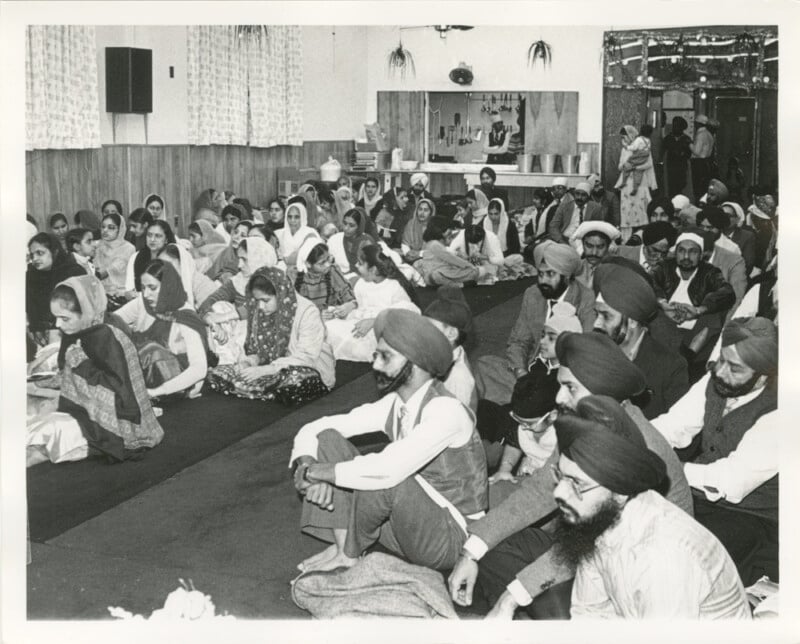 ‘Little Punjab’ is home to a sizable Sikh population in Richmond Hill, Queens. In 1972, they opened the Sikh Cultural Society, the first gurdwara on the East Coast, in a building previously occupied by a Methodist church. (Eugene Gordon, The Sikh Gurdwara (temple), Flushing, Queens, 1985 | Patricia D. Klingenstein Library, The New York Historical, Eugene Gordon Photograph Collection)
 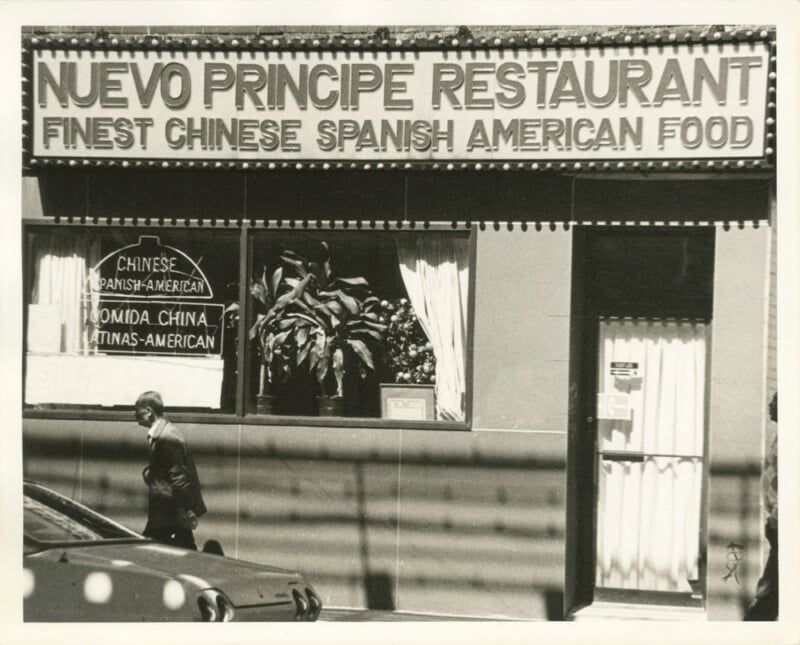 New York City is renowned for its diverse array of ethnic cuisine, reflecting the city’s rich immigrant heritage. (Eugene Gordon, Nuevo Principe Restaurant, Jackson Heights, Queens, 1984 | The New York Historical, Eugene Gordon Photograph Collection)
The photographs depict children in classrooms and at play, older adults gathering at recreational centers, laborers working in sweatshops and factories, families spending time at home, and participants celebrating at parades and festivals. Additional highlights in the exhibition include photographs showing the effect of the 1904 General Slocum steamboat disaster on one family, emphasizing how a single tragedy reshaped immigrant communities and altered the surrounding neighborhoods. The exhibition also documents the wide range of cultural and religious practices present in New York City, with images of Greek Orthodox churches, Cambodian Buddhist temples, Jewish synagogues, and Sikh temples illustrating the city’s diverse spiritual landscape.
The New York Historical is the city’s first museum and a major cultural institution dedicated to more than 400 years of American history. Earlier this year, the museum acquired the archive of renowned fashion photographer Bill Cunningham, ensuring a permanent home for tens of thousands of his images.