
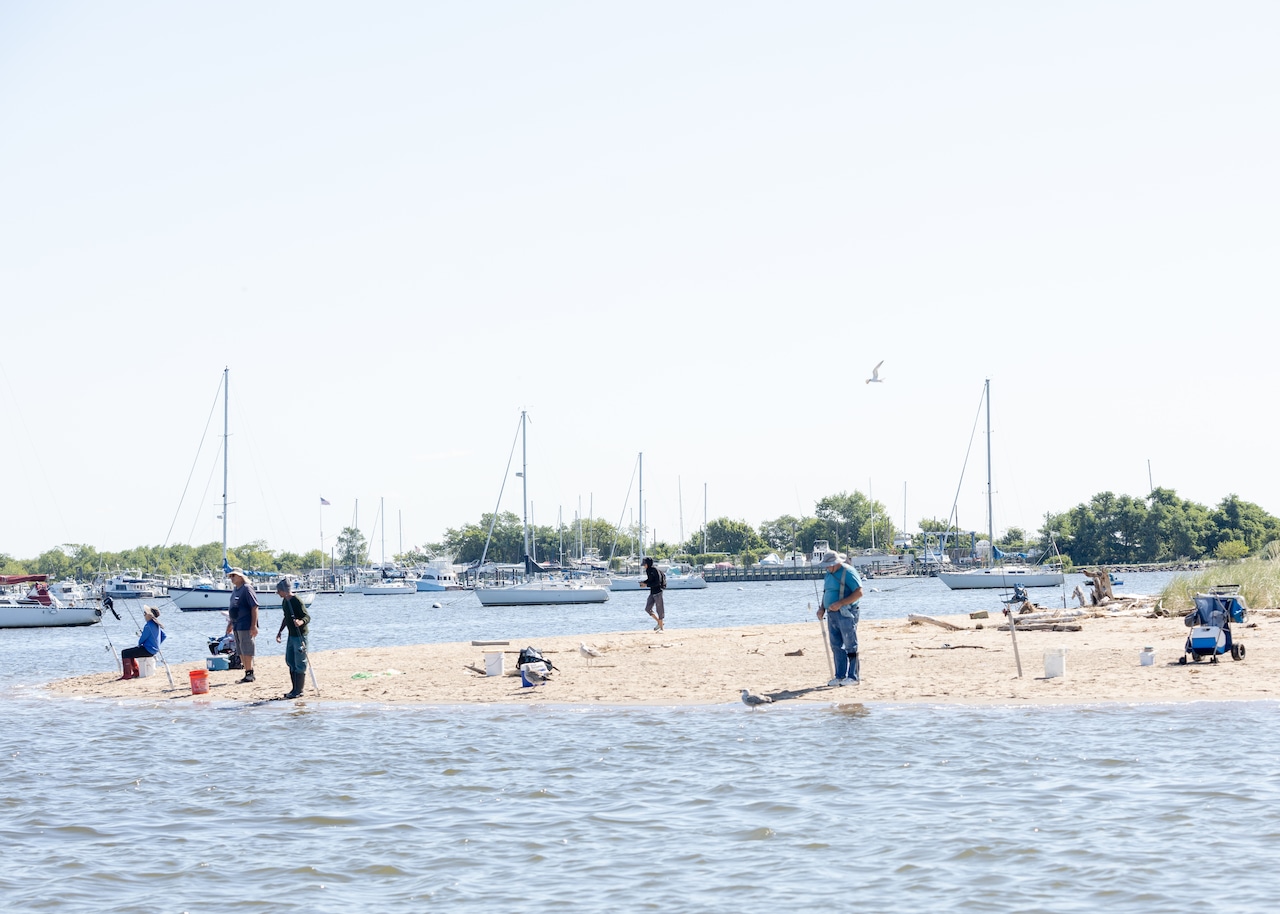
STATEN ISLAND, N.Y. — South Shore Councilmember Frank Morano is seeking “ironclad commitments” as the Northeast Supply Enhancement pipeline lumbers towards fruition.
In early November, the state Department of Environmental Conservation issued a Clean Water Act Section 401 Water Quality Certification, an Excavation & Fill Permit, and State Pollutant Discharge Elimination System permit for the NESE pipeline, which would include a 17.4-mile underwater segment through the Raritan and Lower New York bays, passing Staten Island’s shores.
The pipeline failed thrice in the past to get its Section 401 certificate due to concerns about pollutants being stirred up from the seabed during construction in New York City’s waters.
As a result, there is a deep divide between New Yorkers on what the best course of action should be.
In an interview with the Advance/SILive.com, Morano detailed the need for “cost protections” and “oversight on construction safeguards.”
“There’s two aspects of it that I’m keeping an eye on and that I’m concerned about. One is cost, right? Because we don’t want Staten Islanders to be asked to pay more without real tangible benefits. So, I don’t want to accept a scenario where Staten Islanders pay higher utility bills for a project that doesn’t deliver gas to Staten Island,” Morano explained.
He continued: “Then the other aspect…is environmental protection still matters… I want to see the exact monitoring plan, the independent oversight and the enforcement mechanisms that DEC says will be in place.”
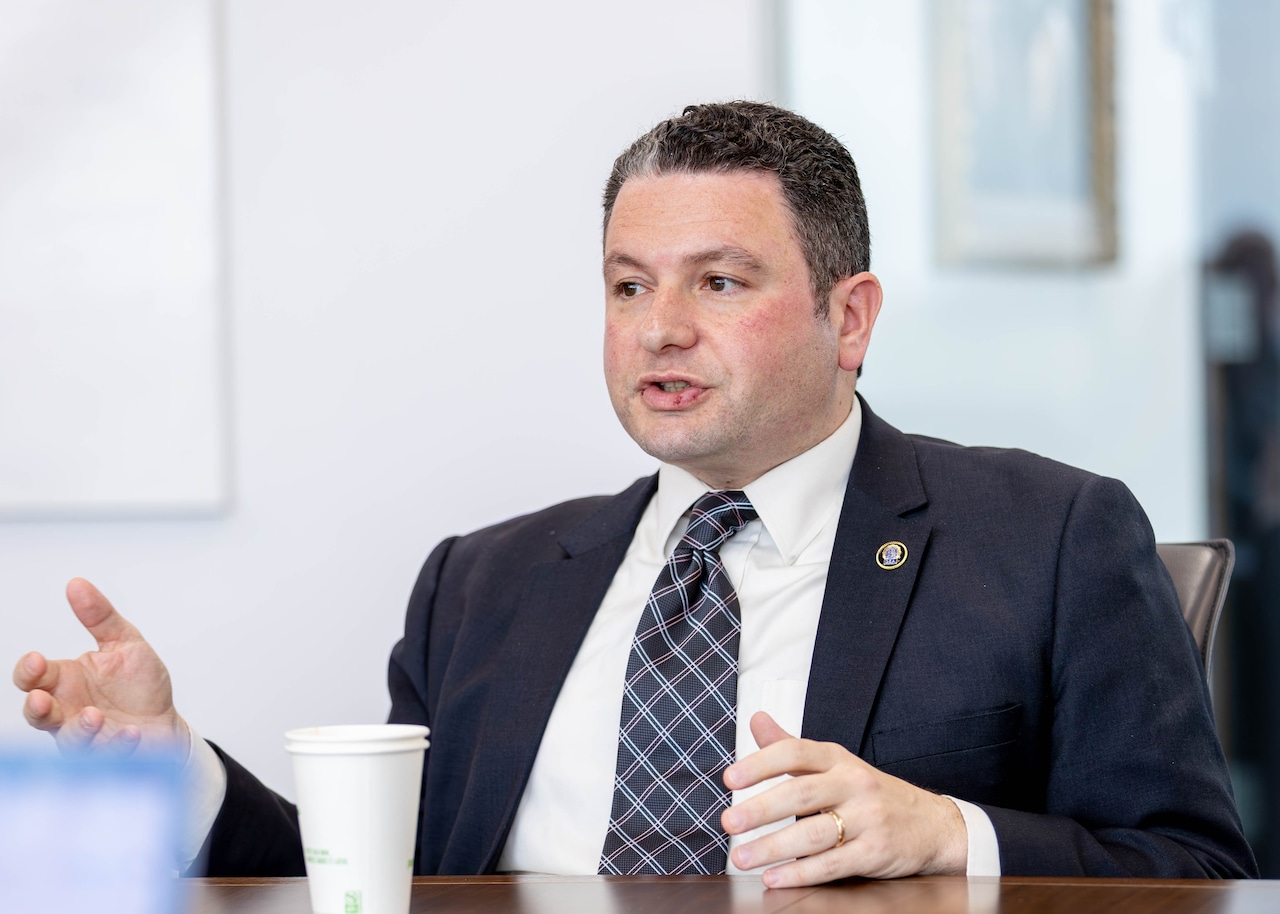 Frank Morano, a Republican candidate for the special election for the South Shore City Council seat, speaks to the Advance/SILive.com editorial board in the Bloomfield newsroom on Thursday, Apr. 3, 2025. (Advance/SILive.com | Jason Paderon). Jason PaderonJason Paderon
“My position has been the same from day one, which is I’d like to do what’s in the best interest of the Staten Islanders — financially, environmentally, and in terms of neighborhood quality of life. But the DEC’s decision, in terms of the permit approval, it doesn’t end the conversation. It raises the stakes,” Morano said.
But in terms of energy generation, be it fossil fuel like the pipeline, or renewable like battery energy storage sites, Morano has concerns.
He said, “…we can’t ignore the explosion of battery storage facilities on Staten Island. There’s a real and growing concern about massive battery energy storage system being placed in residential areas. So if this pipeline meaningfully reduces that pressure, that’s something I have to consider.”
The pressure he references is the amount of energy needed to power the borough.
The battery sites are designed to remove the burden from the city’s stressed grid, using rechargeable batteries to store electrical energy from various sources, and then releasing that stored energy when needed.
Still, the BESS sites are worrisome to residents and elected officials who fear fires and their proximity to people-populated areas.
“I’m trying to approach it with an open mind. I’m trying to hear arguments on both sides, and I’m genuinely listening, and I know it’s a rare thing in politics and in government; but there are environmental groups that are raising red flags. There are ratepayers that are worried about their bills. There are energy experts saying this increases reliability,” Morano listed.
Lawsuit filed
The Protectors of Pine Oak Woods, Staten Island’s largest environmental protection organization, alongside Food & Water Watch, Surfrider, and Sierra Club, filed a lawsuit against the Department of Environmental Conservation for approving a certification that the pipeline failed three times prior.
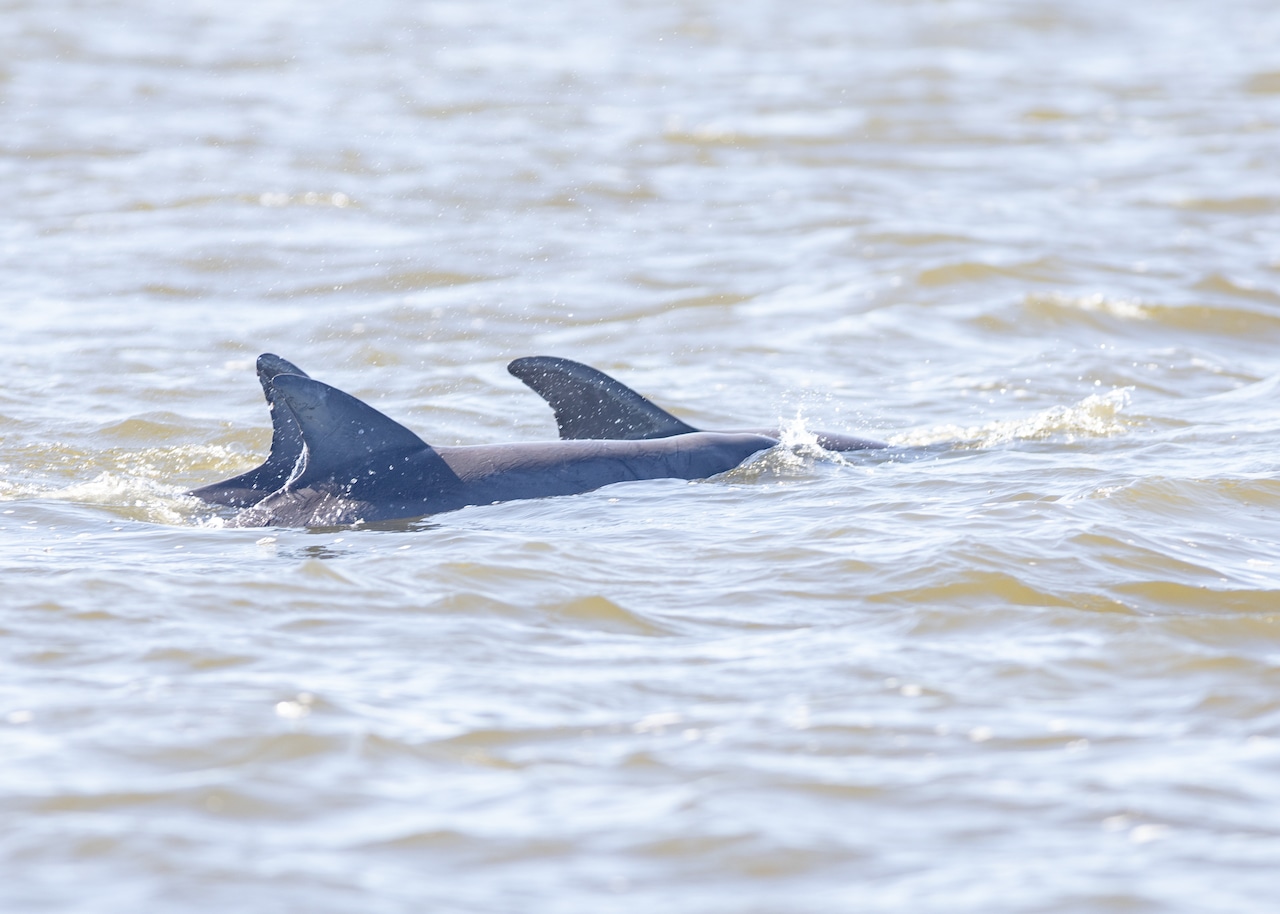 The NESE pipeline is a hot topic in New York’s political, environmental, and residential spheres. (Advance/SILive.com | Jason Paderon) Jason Paderon‘Would not meet New York State’s rigorous water standards’
In its 2020 failure to pass the standards needed to obtain the certification, the state Department of Environmental Conservation (DEC) wrote the following:
“DEC has determined construction of the NESE pipeline project would not meet New York state’s rigorous water quality standards. Construction of the proposed project would result in significant water quality impacts resulting from the re-suspension of sediments and other contaminants, including mercury and copper, and would disturb sensitive habitats, including shellfish beds and other bottom-dwelling marine life, clearly demonstrating that a default mixing zone is not appropriate for this project. New York is not prepared to sacrifice the state’s water quality for a project that is not only environmentally harmful, but also unnecessary to meet New York’s energy needs.”
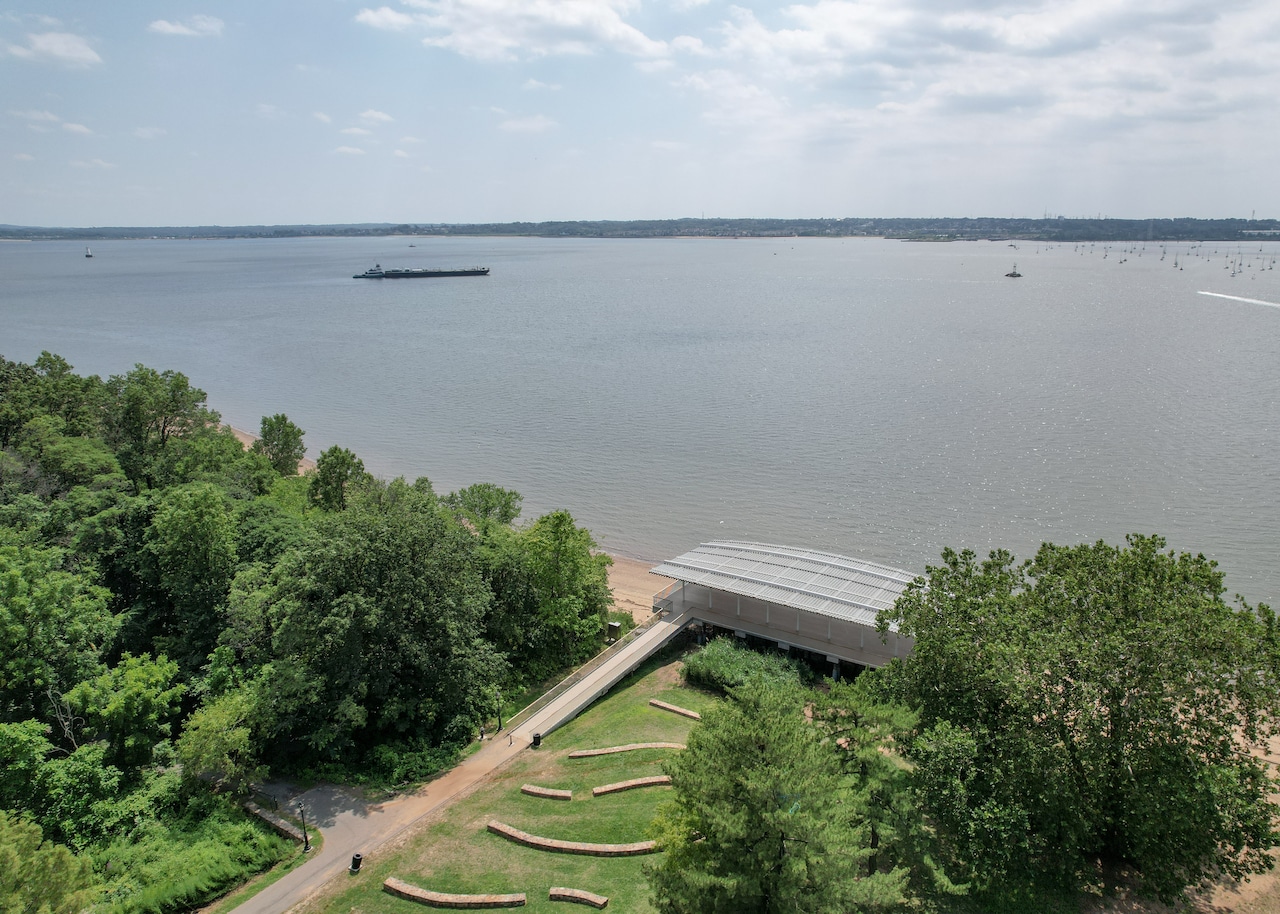 A drone view from Conference House Park shows the Tottenville shoreline overlooking New Jersey where the NESE pipeline could be built. (Advance/SILive.com | Jason Paderon) Jason Paderon
The Clean Water Act is the basis for federal water regulations, including “the basic structure for regulating discharges of pollutants into the waters of the United States and regulating quality standards for surface waters,” according to the EPA.
Deep divisions
The pipeline’s proposal and subsequent approvals stirred deep divisions between environmental groups, businesses, residents, and city agencies.
Paying for the pipeline will come in the form of a 3.5% boost to National Grid bills across New York City and Long Island, despite several areas not receiving any of the energy that will be generated from it.
Staten Island is one of those areas that will not benefit from the gas transferred in the pipeline, though National Grid is firm in their stance that the pipeline will help keep the gas that is on the Island already, on the Island.
“Currently gas is being shared across Brooklyn, Queens, and Staten Island. Additionally, National Grid emphasized the possibility for $2.5 billion in energy savings for New York’s downstate residents, like Staten Islanders, over the next 15 years,” a National Grid spokesperson said.
 The NESE pipeline is a hot topic in New York’s political, environmental, and residential spheres. (Advance/SILive.com | Jason Paderon) (Advance/SILive.com | JJason Paderon)
National Grid touted the news that 96 organizations, representing 1.7 million people, signed on in approval for the pipeline.
However, 130 elected officials from across the state voiced their own issues with the project in a letter penned to Gov. Kathy Hochul.
“What’s changed in the years since these pipelines were denied? Certainly not the science or the environmental dangers posed by the pipelines. The only difference now is that Trump and the gas industry are joining together in an attempt to bully New York into approving the pipelines. These were bad projects when New York denied them previously, and they’re even worse now,” the letter reads.
This is in addition to a slew of environmental groups and others working to raise awareness about the effects this pipeline could incur.
Over 100 environmental groups and community organizations banded together in July to push the now-closed commentary period to have an extension period, allowing more time for people to learn about the pipeline and submit their thoughts.