
If a landlord or broker discriminates against you in New York City, you can complain to the city’s Commission on Human Rights.
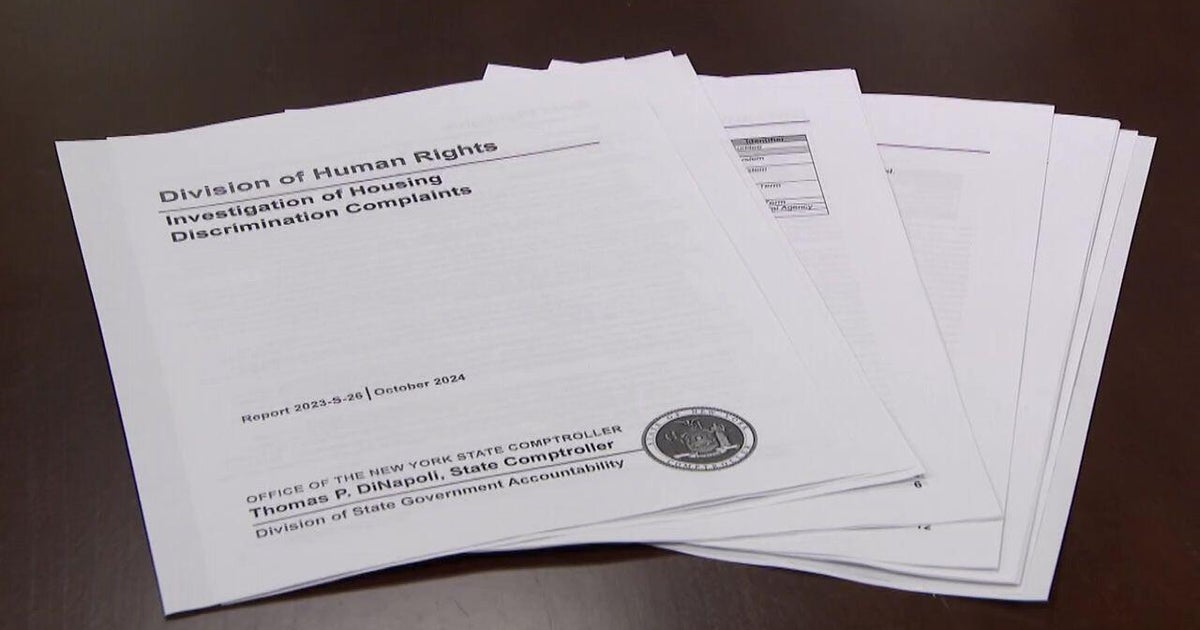
But a new report from the state comptroller finds that those cases drag on for years on average, which can put tenants at risk.
State Comptroller Thomas DiNapoli’s audit
It’s no secret that from affordability to accessibility, housing is top of mind in the Big Apple, and finding the right home can be even harder for New Yorkers who face discrimination from landlords over their race, gender, or even because they use rental assistance programs.
Paris Dickey is a real estate agent who says he has seen it happen to his clients, and he has complained on their behalf to the Commission on Human Rights.
“Sometimes, they have people to work on the files and then sometimes they don’t. What I’m seeing lately is people are missing. You know, there are not that many attorneys there and they need help,” Dickey said.
The city’s Human Rights Law says that city agency should thoroughly and “promptly” investigate complaints, but state Comptroller Tom DiNapoli says his team found that cases drag on for more than two years on average. He shared the findings of his new report exclusively with CBS News New York Investigates, including one case that lasted about seven years.
“The complainant actually passed away before there was a resolution,” DiNapoli said. “That’s just not what government responsibility should be about. To close a case because a person died after seven years, that’s not good.”
The comptroller’s office also says people wait months just for their initial response or intake appointments. However, the Commission on Human Rights says the audit overlooks certain kinds of time-sensitive cases that don’t require intake appointments.
“You know, the law doesn’t set very clear timeframes,” DiNapoli said. “The city administration always tries to encourage, across all agencies, customer service responsive. I think they look for like a two-week timeframe to respond to an inquiry. Clearly, this agency is falling short in that regard.”
The city says the delays cited in the audit happened during staffing shortages that the agency insists it appropriately managed. However, DiNapoli warns delays can have a major impact on renters facing harassment or discrimination from landlords.
“Could be a very unsafe situation. It’s certainly not tenable long term. And that’s why some people resolve the situation by moving. We lose them as residents. Maybe they move out of the city. Maybe they move out of the state,” DiNapoli said.
NYC Commission on Human Rights responds to audit
The agency would not agree to an interview with CBS News New York Investigates, but sent the following lengthy statement:
“For over 80 years, the New York City Commission on Human Rights has fought for a city free where all New Yorkers can live, work, and thrive free from discrimination. The NYC Commission on Human Rights (CCHR) operates strictly within the bounds of the NYC Human City Human Rights Law and relevant city regulations. CCHR remains committed to carrying out its anti-discrimination mandate in a way that best serves New Yorkers. While we appreciate the Comptroller’s attention to the critical issue of tackling housing discrimination, several of the findings in the audit are based on misunderstandings of our legal framework, intake processes, and longstanding enforcement practices. The audit also disregards a critical piece of our work, which is the outcomes that are delivered to New Yorkers when discrimination occurs.
“The audit’s claims about intake delays overlook how our system functions in practice, including the need to reserve capacity for expedited ‘Fast-Track’ appointments in urgent or time-sensitive cases. Many matters – such as attorney filed cases, Commission-initiated cases, and pre-Complaint interventions – do not require intake at all. The timelines cited as ‘delayed’ are arbitrary and have no basis in the law or rules.
“The Commission maintains guidelines for each stage of a case, regularly reviews caseloads, and uses multiple monitoring tools. The indication that process delays put cases at risk of closure before a complaint can be filed is speculative because CCHR monitors cases closely; in fact, the State Comptroller found no instances where CCHR exceeded the statutory or regulatory timeframes. As an additional guardrail, before the audit was announced to CCHR, we began the procuring process for a new case management system to further enable improved data analysis and identify opportunities to streamline file maintenance. As a right-to-file agency, CCHR makes every effort to ensure that any member of the public who contacts us before their statute of limitation expires can file a complaint. Regarding attorney assignments, the few delays cited occurred during staffing shortages. We appropriately managed workloads to protect the quality and timeliness of investigations while balancing the obligations of our legal and administrative teams.
“The NYC Commission on Human Rights remains dedicated to continuous improvement and to ensuring that every New Yorker who seeks our help receives a fair, timely, thorough response. This is true for all the discrimination claims that come to us within areas covered by our law, including employment, housing, and public places.”
Potential solutions to the problem
The comptroller’s number one recommendation is for that agency to have clearer deadlines. He said the main problem here is a lack of clear policies and oversight. The Human Rights Commission is pushing back on that and it says it monitors cases closely, investigative reporter Tim McNicholas reported.
As for whether the agency will make changes because of the report, it’s clear from its statement that it disagrees with much of the audit. The agency did say it is dedicated to continuous improvements and it appreciated the comptroller’s attention to the critical issue of housing discrimination.