
With a population of 2,405,464 as of the 2020 census, Queens is the second-most populous county in New York state, behind Kings County (Brooklyn). Queens is highly diverse, with approximately 47 percent of its residents being foreign-born.
White and Asian groups represent the largest portion of the non-Hispanic population, and the Hispanic/Latino grouping are the largest overall ethnic group. Queens is no longer the predominantly Italian, Jewish and Irish borough that it was in the 1950s when I was growing up, though there are still neighborhoods like Kew Garden Hills (which has a growing population of Bukharin Jews from Uzbekistan, alongside a significant Orthodox Jewish community) and the Italian Howard Beach that are predominantly white ethnic. Queens now contains Tibetans, Bangladeshi, Nepalese, Filipinos and Indian Guyanese among other ethnic groups. It is also the most linguistically diverse place in the world with 140 languages spoken there. Flushing has so many Chinese residents that its downtown is known as Chinese Times Square.
My first venture into Queens was when I was about 12 when I went with my parents to visit their friends who lived in Whitestone. I didn’t have any idea then that New York contained private homes and streets, adorned with Christmas trees, that resembled TV’s version of Main Street America. It stood in vivid contrast to the look and atmosphere of my neighborhood that consisted mostly of tenements, six-floor red-brick walk-ups and a scattering of art-deco apartment houses that were inhabited by some of the lawyers, successful small businessmen and doctors who still lived there in the 1940s and early ‘50s. Though my neighborhood had little beauty or cultural style, it still had moments when it could dynamically burst into existence with much more street life than Whitestone ever could display. In college, I began to date women who lived in Queens, but my mind was centered on my uneasy interaction with my dates, not the neighborhoods I barely experienced.
Today’s Queens plays a different role in both my and the public’s consciousness. In 2025, Queens residents have experienced significant changes, from temporary disruptions in transportation to permanent housing developments, including more affordable options.
The City Council has recently approved a plan to bring 14,700 homes to Queens. It would open 54 blocks of Long Island City, which were filled mostly with warehouses and parking garages, to large-scale building. In addition, the area’s access to several subway lines have made it an appealing location for developers. Supposedly, this would be private development aimed at addressing the city’s affordable housing crisis.
Seven years ago, left-leaning politicians opposed a plan that would have given incentives to Amazon to build a headquarters in the same neighborhood.
The new plan, with its focus on housing and community amenities instead of huge public subsidies for a wealthy company like Amazon, has earned the support of local City Councilor Julie Won and other politicians who were adamantly opposed to Amazon’s headquarters. There was opposition from some community members, who urged Won to vote against the proposal, citing worries about gentrification and affordability.
The opposition could not stop the development this time. As sweeteners, the proposal also includes hundreds of millions of dollars for parks, public housing, schools, sewers and more. About 30 percent of the housing also must be affordable to people of lower or moderate incomes.
A similar rezoning plan is underway for Jamaica, with the public review for the Jamaica Neighborhood Plan set to begin in March 2025. The plan focuses on more than 300 blocks and aims to add 12,000 new units, including 3,000 affordable housing units.
Neither of these plans by themselves will create sufficient affordable housing, but they’re a start.
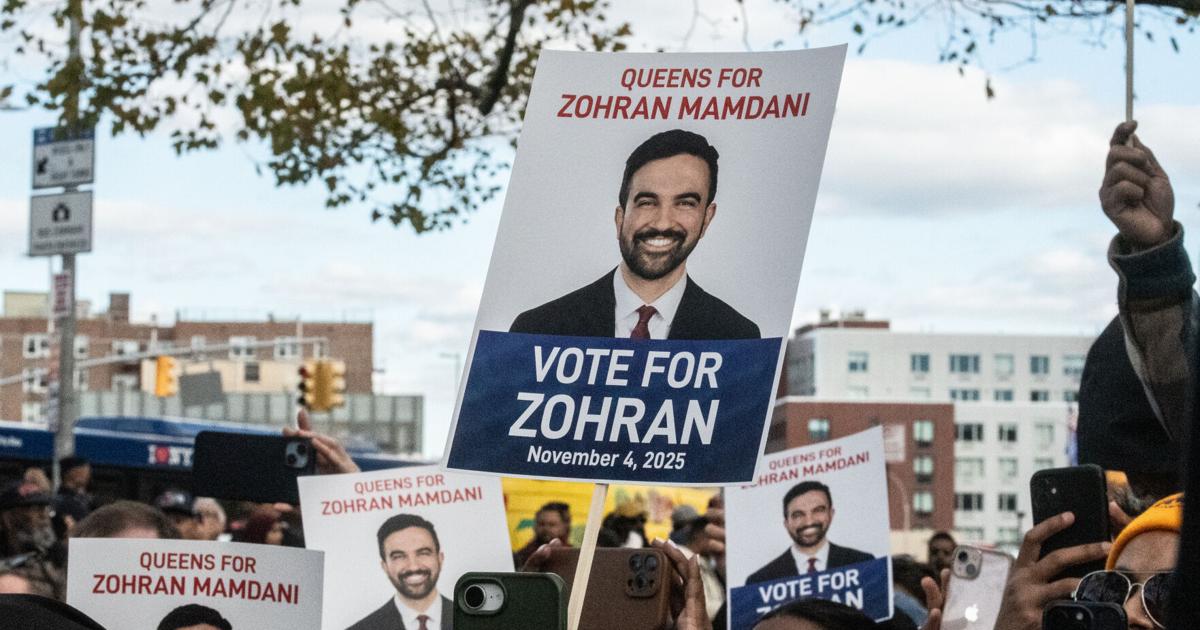
Queens has also changed socially and politically. It’s now more urban than quasi-suburban, and its home to Citi Field and the USTA Tennis Center and MoMA PS1. Mayor-elect Zohran Mamdani and U.S. Rep. Alexandria Ocasio-Cortez (who might be seeking higher office) represent overlapping areas of Queens. Both draw support from the same base of young, progressive and working-class voters in the area.
Mamdani’s mayoral victory occurred after Donald Trump’s 2024 presidential victory was won with large gains in heavily Latino, Chinese and South Asian neighborhoods in Queens. Many of those voters were attracted to Mamdani’s platform of “affordability” — universal child care, free buses and a rent freeze. In 2025 those voters have shifted while Queens feels like it is fully coming of age in the city.