
The controversy surrounding New York City’s congestion pricing program — which went into effect on January 5 and almost instantly improved quality of life — might imply that traffic was its primary source of pollution.
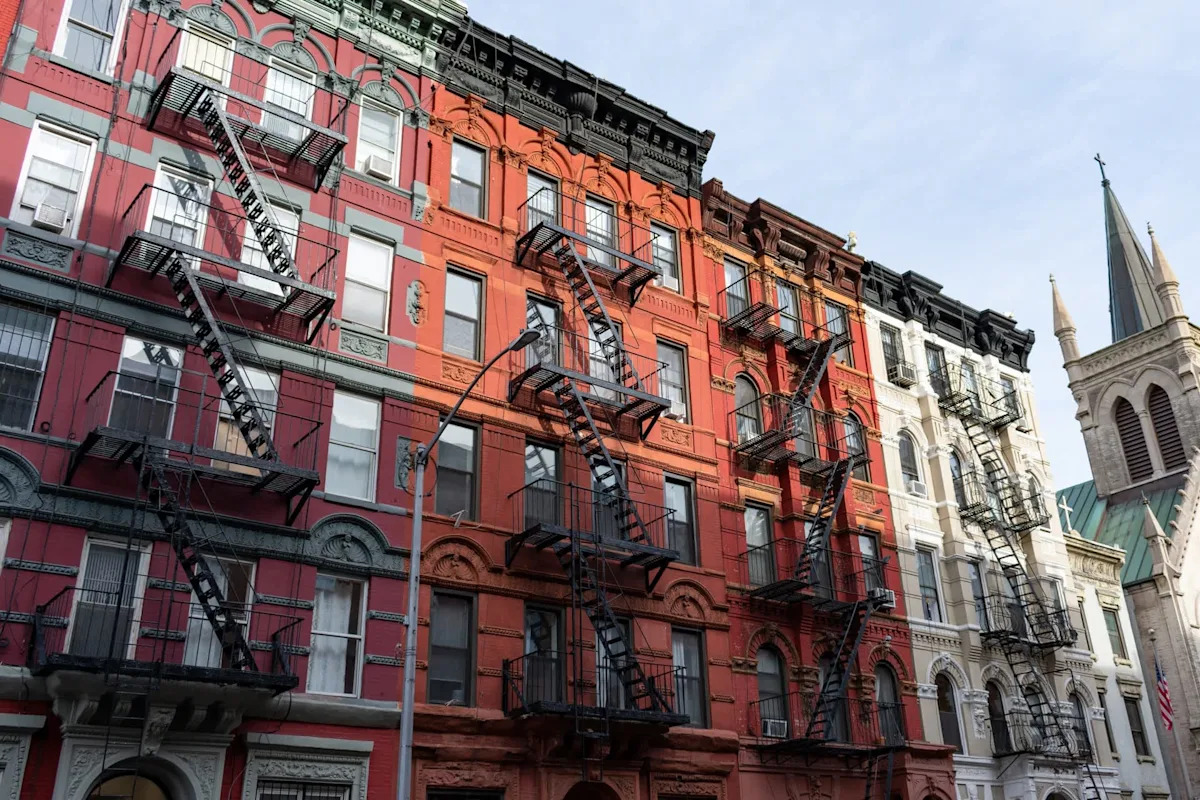
However, even lifelong residents might be surprised to learn that more than two-thirds of New York City’s pollution is wholly unrelated to gridlock, instead generated primarily by residential buildings, as Inside Climate News noted.
In 2019, as part of the Climate Mobilization Act, the New York City Council passed Local Law 97, requiring buildings to cap pollution or face fines. Lawmakers built in three timeframes for incremental compliance, with the first spanning 2024 to 2029.
The International Tailoring Company Building is a co-op located on the corner of Fourth Avenue and 12th Street in the East Village.
Eric Einstein is its president, and he told Inside Climate News that a combination of remortgaging, rebates, and reallocation of funds covered the $9 million cost to bring the iconic building into compliance with LL97.
Today, the historic structure is “almost completely decarbonized,” and the transition was used as a case study by NYSERDA, a state energy agency.
In addition to cutting pollution, upgrading to heat pumps enabled residents to adjust the temperature in their individual apartments.
However, other building managers have said they’ve struggled to comply.
Bob Friedrich and Warren Schreiber both head co-ops in the borough of Queens, and Schreiber asserted that LL97 would unfairly burden his co-op’s residents with higher fees.
“We have senior citizens that are on fixed incomes, we have single parents living here,” Schreiber maintained, per Inside Climate News. “I’ve been the president of my co-op for longer than I want to remember, and this is the first issue that absolutely keeps me up at night.”
Incidentally, both co-op presidents were involved in a May 2022 lawsuit seeking to overturn LL97. A judge dismissed the suit in late 2023, ruling that instead of the plaintiffs’ suggestion that fines for inaction could total millions of dollars, non-compliance would result in a punishment of $23 to $31 per month per unit.
That could still amount to a hefty total, and New York Communities for Change’s climate and inequality director, Pete Sikora, told Inside Climate News that he expected the City to help bridge funding gaps to bring buildings up to code, particularly under the administration of Mayor-elect Zohran Mamdani.
Mamdani, who has “a tentative plan” to assist co-ops, addressed LL97 during an October mayoral debate.
“We have to ensure that we make it easier for condo and co-op owners to follow these laws,” the incoming New York City mayor acknowledged.

��
Get TCD’s free newsletters for easy tips to save more, waste less, and make smarter choices — and earn up to $5,000 toward clean upgrades in TCD’s exclusive Rewards Club.