
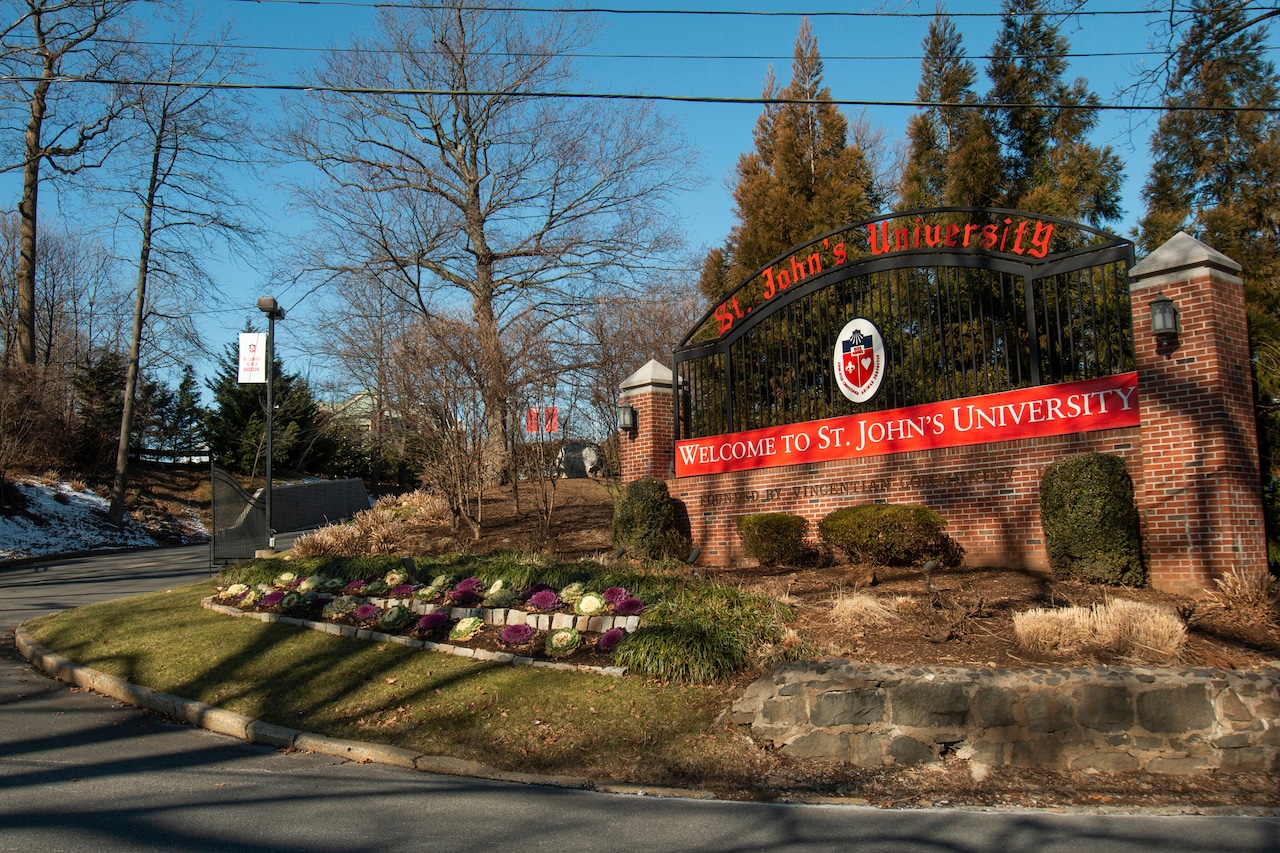
STATEN ISLAND, N.Y. — More than a year has passed since the official closure of St. John University’s Staten Island campus, and plans for the 16.5-acre Grymes Hill property have not yet been disclosed. But the institution has noted it is still working diligently to find a fitting buyer for the educational facility.
“St. John’s University is having encouraging conversations with educational institutions that can best continue the rich tradition of teaching and learning at the site,” Brian Browne, a spokesperson for St. John’s University, noted in a statement. “The University remains committed to finding a suitable partner for the campus.”
St. John’s first announced it would close the Grymes Hill campus in 2022, citing a 63% decline in enrollment, exacerbated by the pandemic. School representatives have hosted several public meetings and expressed an intent to maintain a healthy relationship with the community.
Opened in 1934 as Notre Dame College, a Catholic undergraduate institution for women, the school served the community as a premier women’s college for more than 30 years. St. John’s University acquired the school in the late 1960s, combining the original Notre Dame College with the Brooklyn campus of St. John’s, and offering undergraduate degrees in liberal arts, business and education for the first time on Staten Island in 1971.
The Staten Island campus saw considerable growth over the next two decades, and several buildings were added to accommodate some 3,000 students. In fall 2000, the school reported it had a total of 2,309 undergraduate and graduate students enrolled. But as of fall 2021, that number had dropped to just 861 students, the university noted, which compelled the closure and began the sales process.
Browne has reiterated that the university’s real estate adviser, Savills Inc., has marketed the campus as a “pre-assembled turnkey opportunity,” one that is specifically well-suited for an educational facility. And while the school’s zoning — R3-1 — is residential, and as of right permits building semi-detached one- and two-family homes, as well as detached homes, Browne previously dismissed circulating rumors about the possibility of low-income housing.
“Multiple parties have expressed interest in the site, and conversations continue,” Browne previously told the Advance/SILive.com. “None of the parties that we are in discussion with have expressed any interest in constructing low-income housing.”