
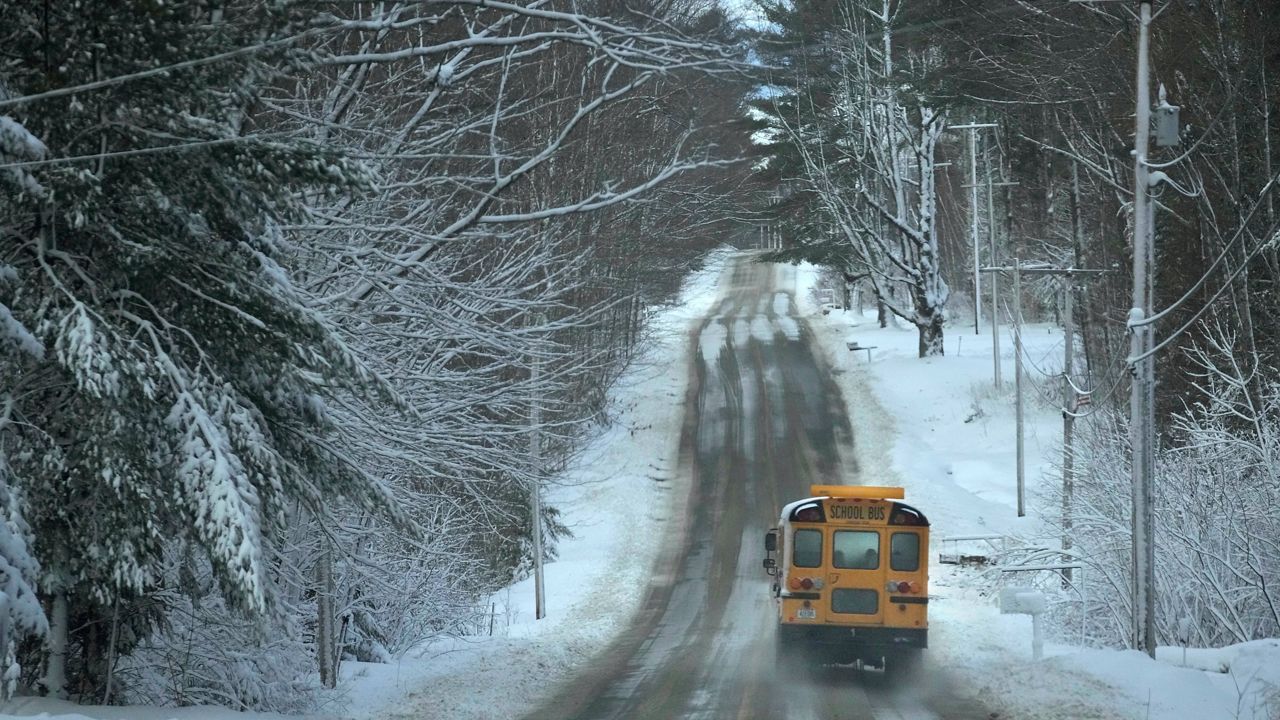
Making the call on whether to close schools during a winter storm is never easy. School superintendents say they face a difficult decision every time flakes start to fall, balancing student safety with the needs of working parents. But the biggest challenge isn’t how much snow is falling — it’s when it falls. And getting that timing wrong can put kids directly in harm’s way.
School leaders have to make these critical decisions hours before the first bus rolls. And in New York state, where lake effect snow can be tricky, timing is everything.
The decision-making process starts early morning for many districts. But even with communication with town officials and transportation supervisors, Mother Nature does not always cooperate with the forecast.
What You Need To Know
School superintendents must balance student safety with working parents’ needs when deciding whether to close schools during winter storms
The biggest challenge is predicting when snow will fall, as inaccurate forecasts can turn safe decisions into dangerous situations when students are on buses
Districts face additional criticism over remote learning days versus traditional snow days, as families and staff have already booked vacation trips during scheduled breaks
The problem is that some weather predictions can be off. For example, a storm predicted to hit at 6 a.m. might not arrive until mid-morning. And that’s when a likely safe decision becomes a dangerous one.
“Sometimes districts do a two-hour delay, but really all they’re doing is now they’re putting kids on buses when the snow actually comes down. So there’ll always be parents who will be upset with a snow day call, it’s impossible to get it perfect,” said Tom Colabufo, superintendent of Central Square Central School District.
Colabufo says the timing dilemma is what makes snow day decisions so difficult. Close school too early, and parents who have already arranged childcare are frustrated. Delay by two hours, and you might send children out exactly when roads become impassable.
The superintendent emphasizes that no district tries to save snow days by gambling with safety. Instead, they work with the best information available before 5 a.m. and then own the decision, even when forecasts do not pan out.
Adding to the complexity, districts now face criticism over remote learning days, which some use as an alternative to traditional snow days.
“I get some criticism from parents about remote days. But we understand the alternative would be cutting into their vacation time. And parents are like, we’re already booked trips. Our kids aren’t going to be able to be there. And it’s the same thing for staff members who book trips,” Colabufo added.
With the lake-effect snow season far from over, New York state school leaders will face this same impossible calculation many more times before spring. It’s always about keeping students safe, even when the forecast is less than perfect.
This week, winter weather forced widespread closures and delays across Central New York, with multiple districts, including Central Square Central School District, making the difficult call to keep students home.