
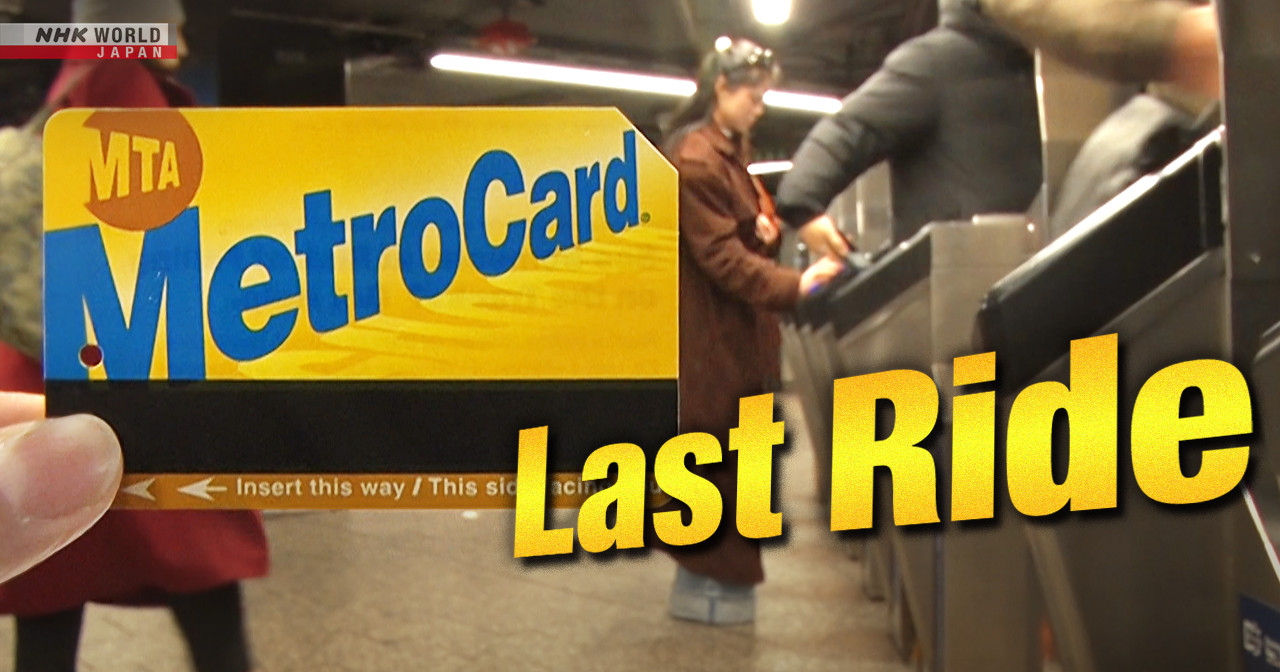
New Yorkers are preparing to bid farewell to a familiar companion: the MetroCard. Sales of the ubiquitous farecard are set to end by late 2025. For more than three decades, the card could be found in almost every wallet or pocket, swiped daily by the millions who navigated the city’s subway. Few of them knew that a Japanese designer’s work quietly shaped the way generations of riders moved through the city.
A symbol of New York life
Since its introduction in 1994, the magnetic-stripe MetroCard has been the standard way to pay for subway and bus rides. As of December 2025, 3.2 billion cards have been encoded by the Metropolitan Transportation Authority, or the MTA. Although cards will remain usable through 2026, they are being replaced by the OMNY contactless payment system.

One swipe and you’re in.
For many New Yorkers, the transition is bittersweet. The MetroCard has accompanied them for decades on their daily routines, school commutes, workdays, and city adventures. Some even called the card part of the cultural fabric of New York.
“Everyone wanted one,” recalled a New Yorker who remembers receiving MetroCards as a student. “It’s nostalgia for me. This card made my high school days way better.”
Another commuter said, “I’m old school, and it worked fine. I think it’s a true icon of our city.”
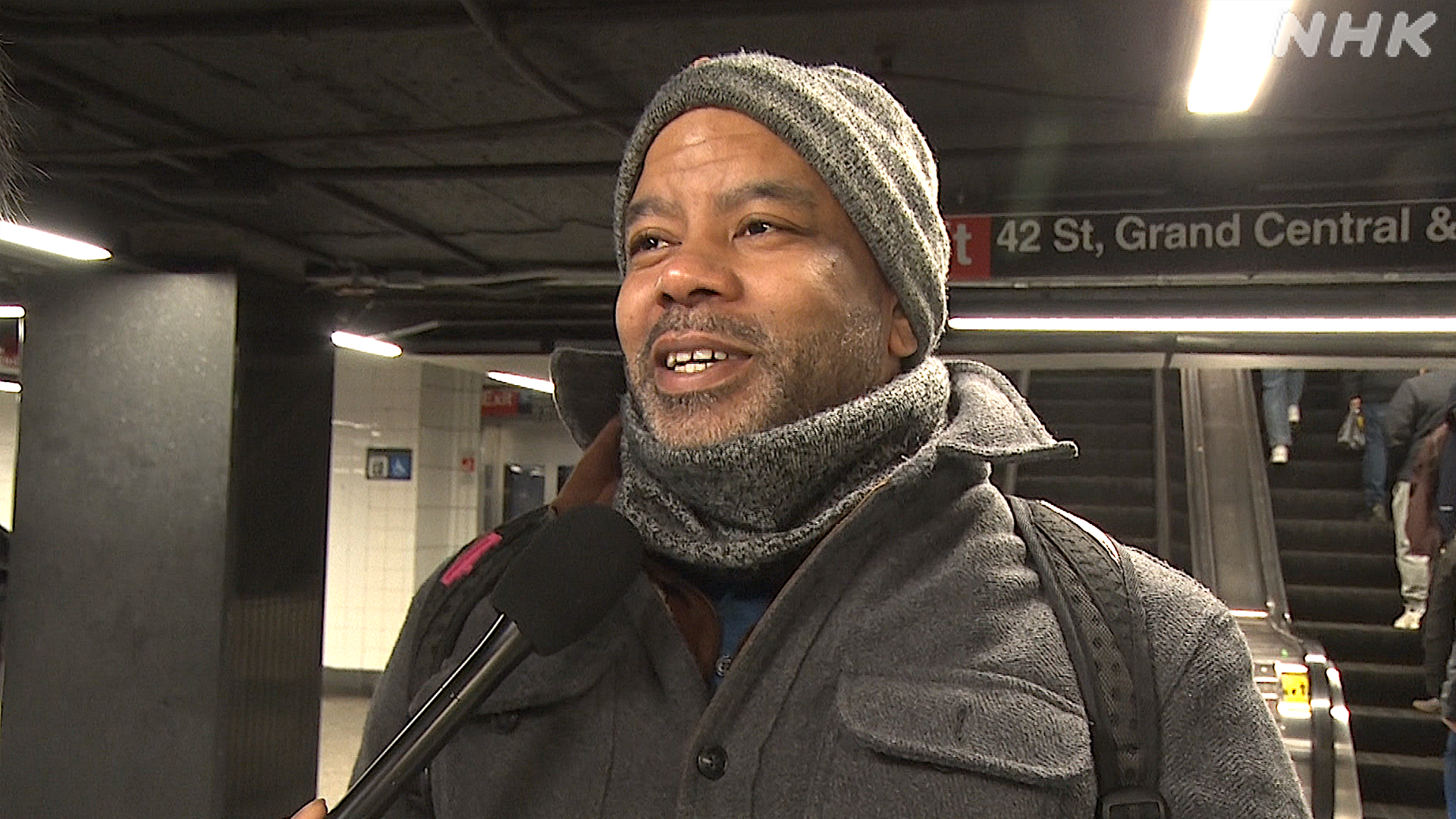
A New Yorker reflects on the MetroCard’s retirement.
The card’s popularity extended even beyond transit. Souvenir shops in stations like Grand Central sell MetroCard-themed goods, including mugs, tote bags and apparel. To commemorate the card’s retirement, they are offering new lines of merchandise such as a festive “ugly” sweater, home decor, ornaments and more. Ahead of the card’s looming phaseout, demand for these items has been surging.
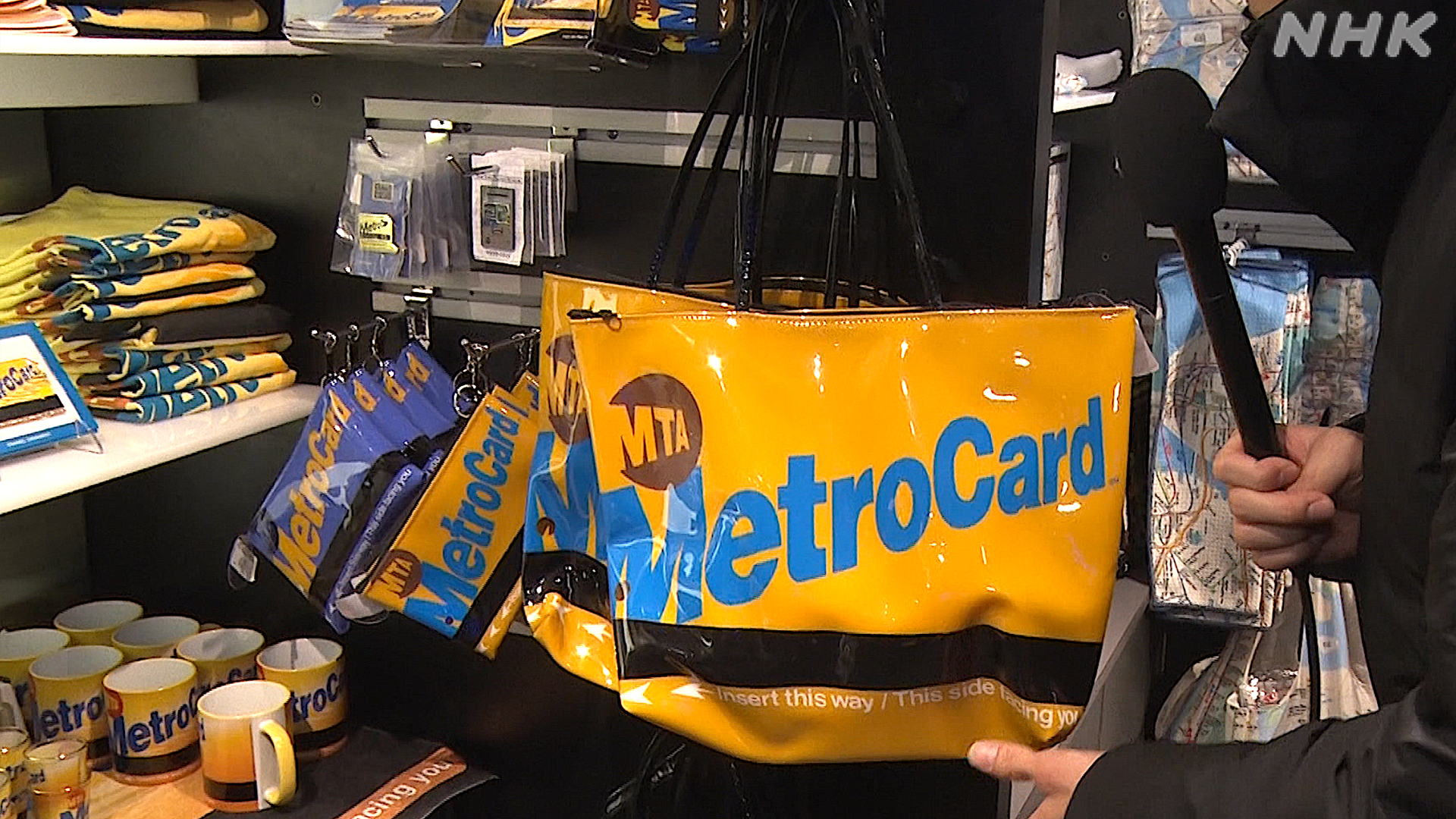
Souvenir shops offer various MetroCard merchandise.
“A MetroCard is part of everyone’s life here,” said William Unotti, a representative of the New York Transit Museum. “People want to take home a piece of it before it disappears.”
Japanese designer behind MetroCard vending machines
The phaseout of the card also marks the end of another familiar piece of infrastructure: the MetroCard vending machine.
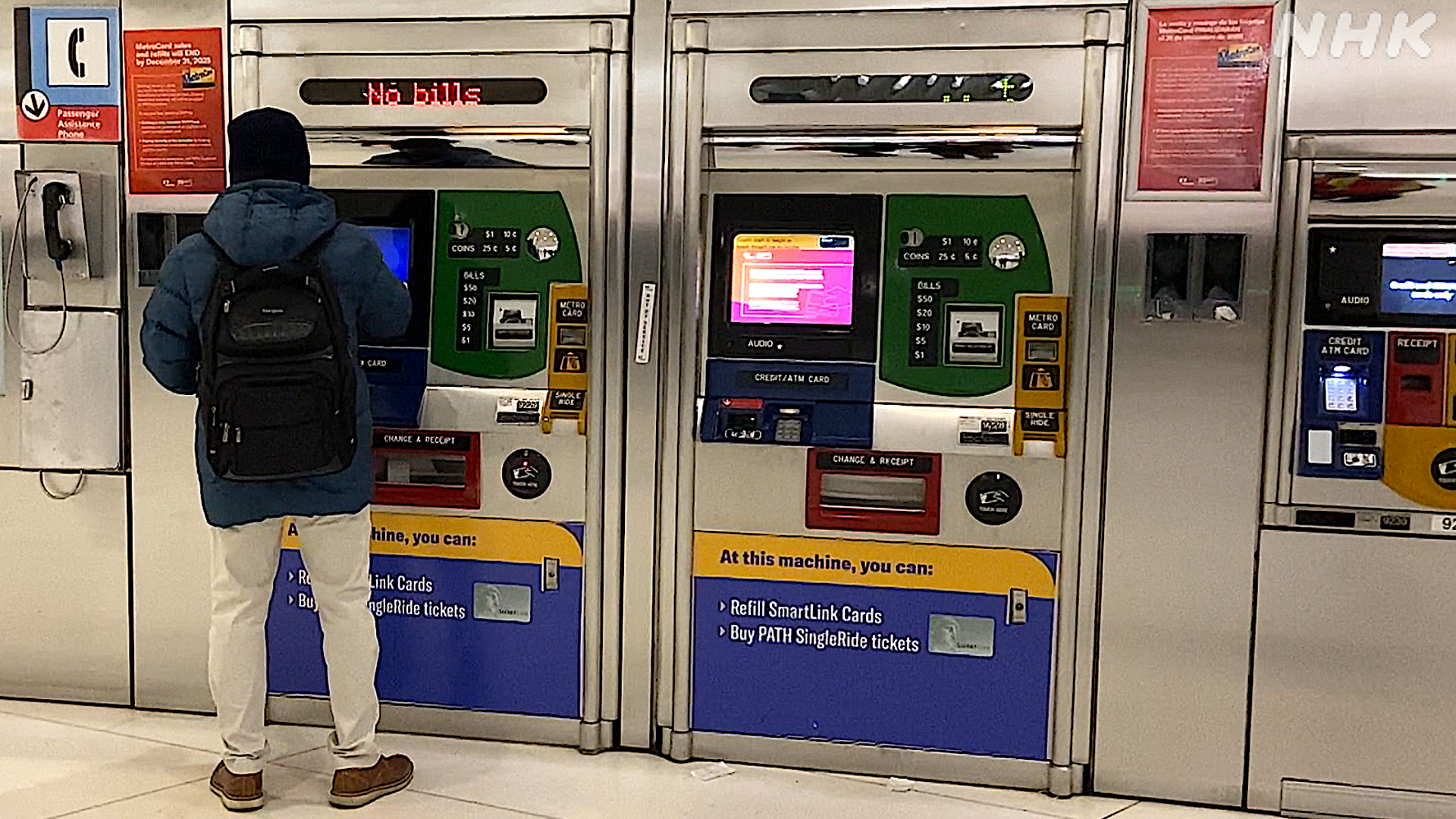
MetroCard vending machines
One of the people behind the machines is Udagawa Masamichi, a New York–based designer from Japan.
Udagawa helped create the machines introduced in 1999 to reduce long lines at station booths. He had two missions: to make them accessible to everyone, and to build them tough enough to endure relentless use — and sometimes abuse — of New York City commuters.
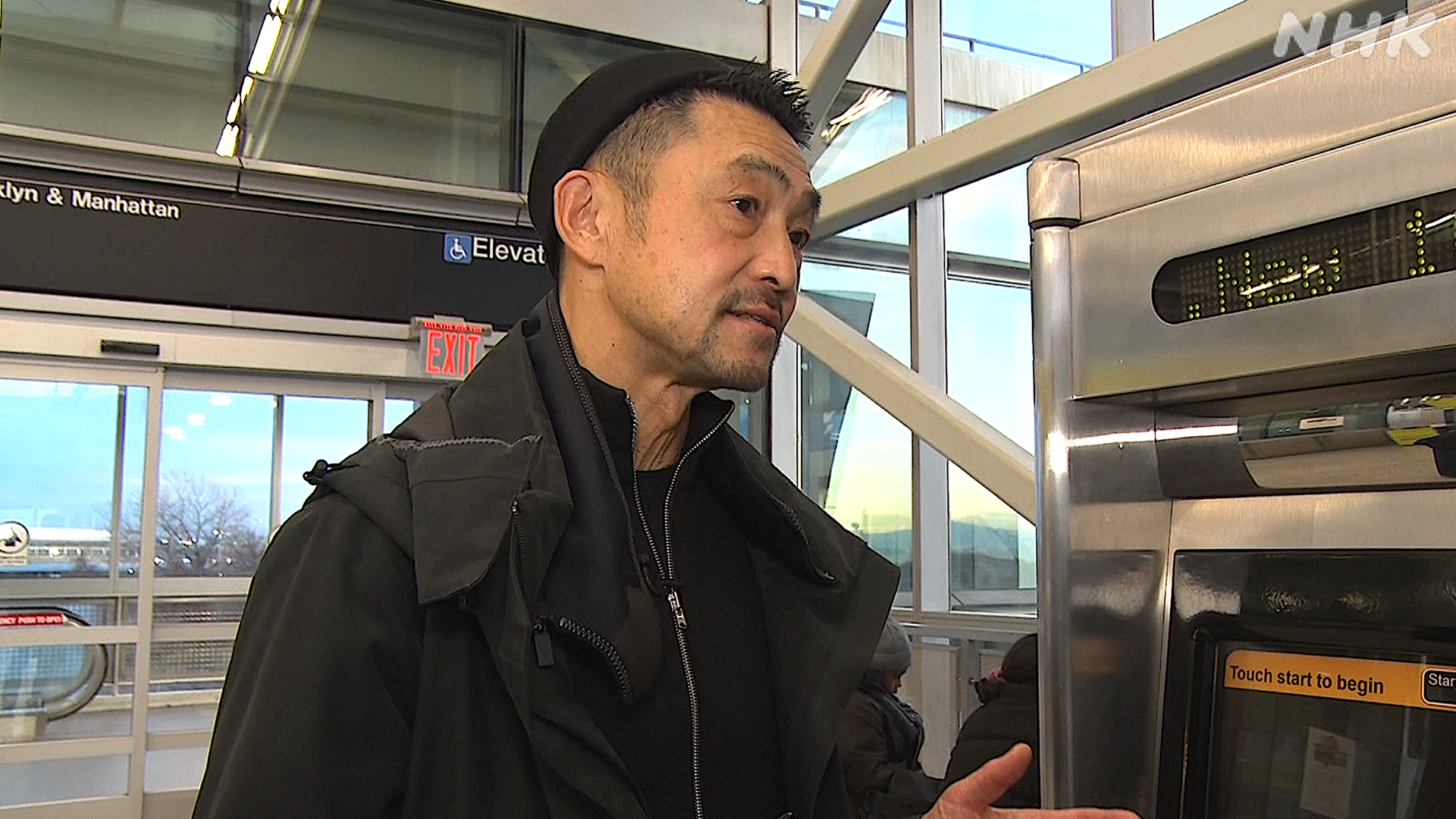
Udagawa Masamichi
At the time, many riders were still unfamiliar with computers, so Udagawa focused on designing an intuitive, step-by-step interface that was more like a conversation with a store clerk. He also incorporated color coding, making it easy for users to see where to insert cash or cards.
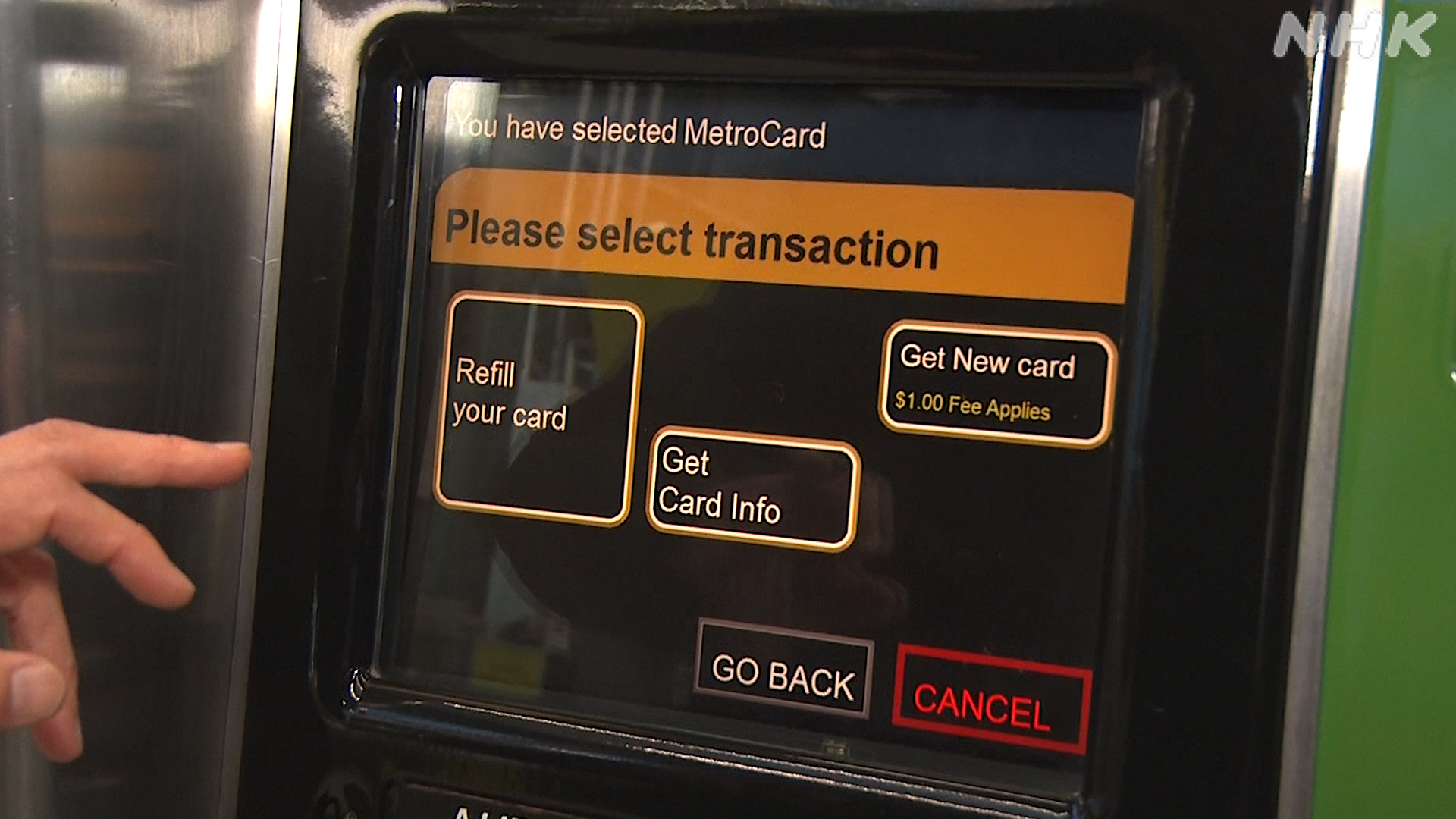
An easy-to-use interface
“How to introduce a new machine to New Yorkers and let everyone use it, that was the challenge,” Udagawa recalled.
Adding color to the vending machine proved to be a surprisingly difficult hurdle. “Under normal circumstances, you can simply paint plastic or steel parts. But paint can be scratched off, and in New York, people will scratch things,” said Udagawa.
“We needed a way to incorporate color using a material that could withstand heavy wear and resist scratching,” he explained.
The solution came from looking back into history: porcelain enamel. Durable, vibrant, and nearly scratch-proof, it offered a proven method for adding color that could survive the daily rigors of New York City.
After 26 years of service, Udagawa said he feels “a little sad” to see the machines retire. “For an electronic machine to survive from beginning to end without major changes, that’s quite an achievement. I’m very happy about that.”
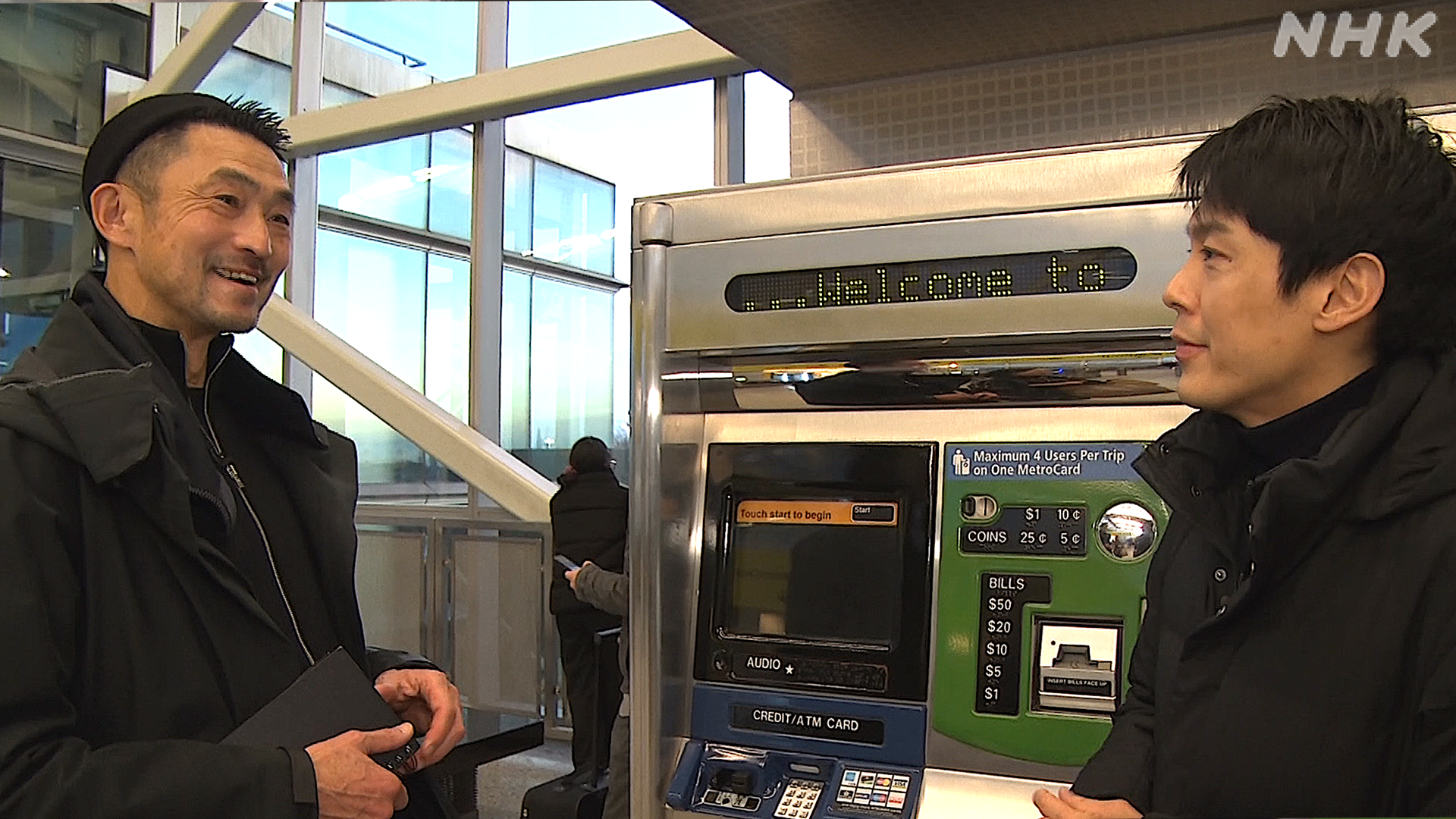
Udagawa looks back on his design.
Designing safer subways
Udagawa’s mark on New York transit will live beyond the MetroCard vending machines. He also helped redesign both the interiors and exteriors of subway cars, beginning with a train model introduced in 2000 at a time when the city was focused on improving safety.
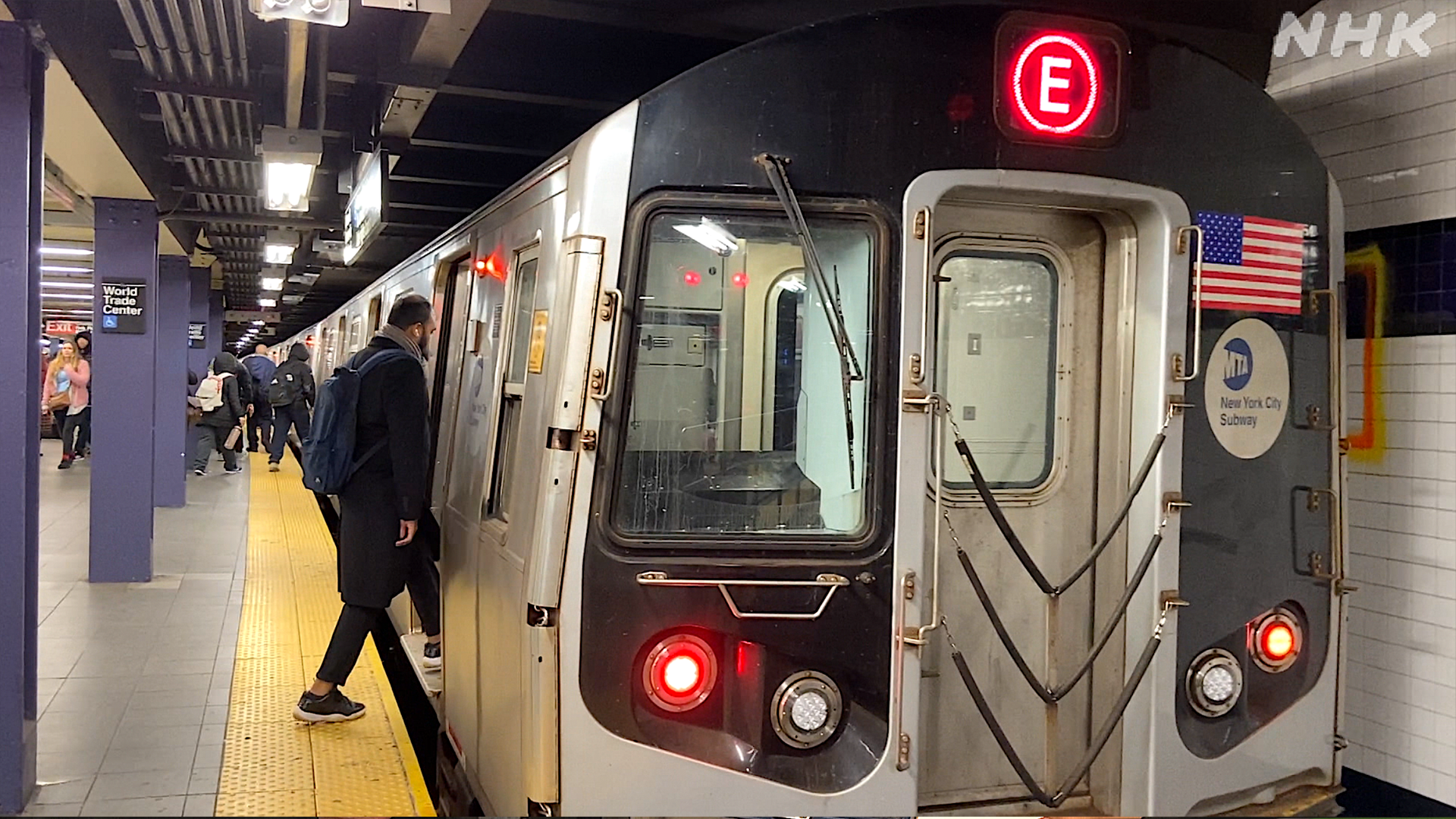
A New York City subway car
One concern raised by the New York Police Department was theft and assault near subway doors. Passengers seated there were vulnerable when trains stopped, as an assailant could reach into the car from the platform.
“We had to provide reasonable protective screens,” Udagawa said. To address this, he added guardrails next to the doors to shield passengers and reduce opportunities for pickpocketing or bag snatching. The bars were intentionally tilted to prevent children from climbing them.
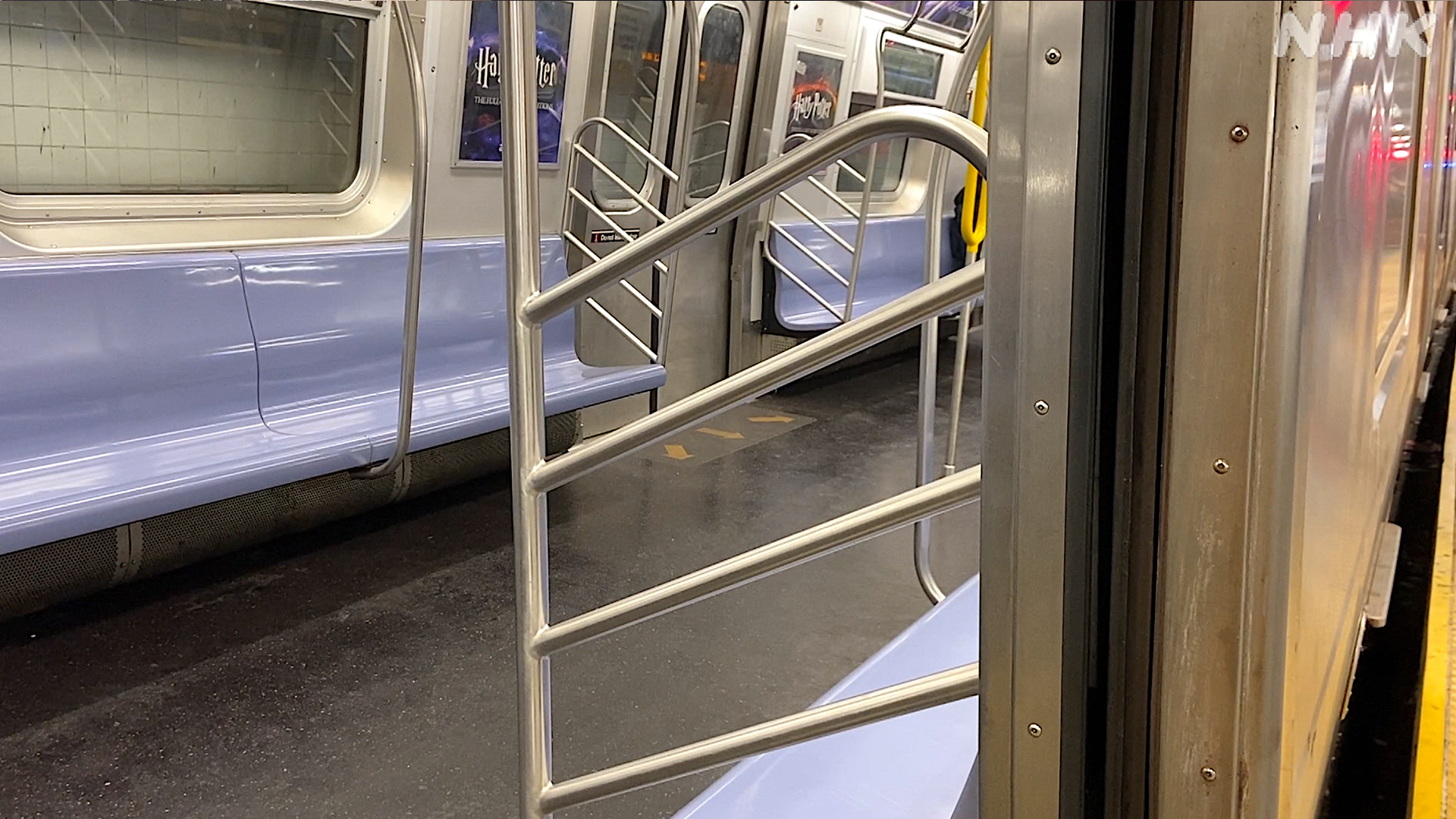
Protective guardrails next to subway doors
Another factor was lighting. Subway cars used to be quite dim, creating an environment which did not discourage criminals. Udagawa brightened the interior lighting to make the cars feel safer and more open.
He later designed the newest fleet of subway trains, introduced in 2023. Green lights indicate the side on which the doors will open at the next station. Udagawa said his design is used in more than 70 percent of the subway cars currently operating in the city.
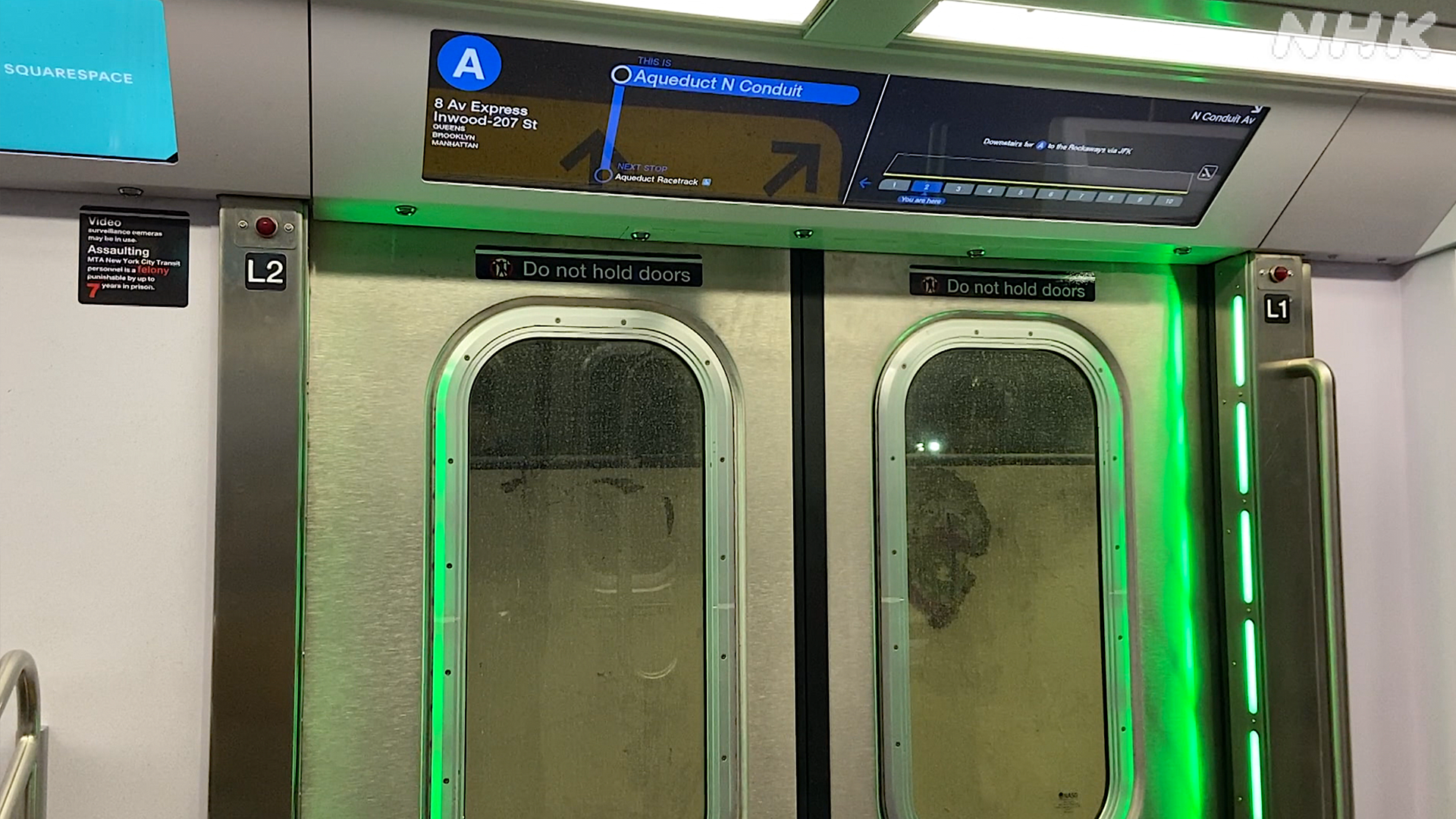
Green lights signal the side on which doors will open.
A lasting mark beneath the city
Udagawa is now working on designing the next generation of subway cars. “We are constantly reflecting on what we learned from the past, little by little,” he said.
One current challenge is how to discourage so-called “subway surfing,” when thrill-seekers ride on top of train cars. The practice has become a serious problem in New York as videos spread on social media, encouraging more young people to try it themselves. According to the NYPD, five “surfers” lost their lives in 2025 alone.
Udagawa is now working to prevent this problem with design changes to new train cars. “We must do something to stop it,” he said.
The MetroCard may be approaching its final stop, but Udagawa’s designs continue to shape the city’s subway system — the transportation lifeline carrying New Yorkers forward to their next destination.