
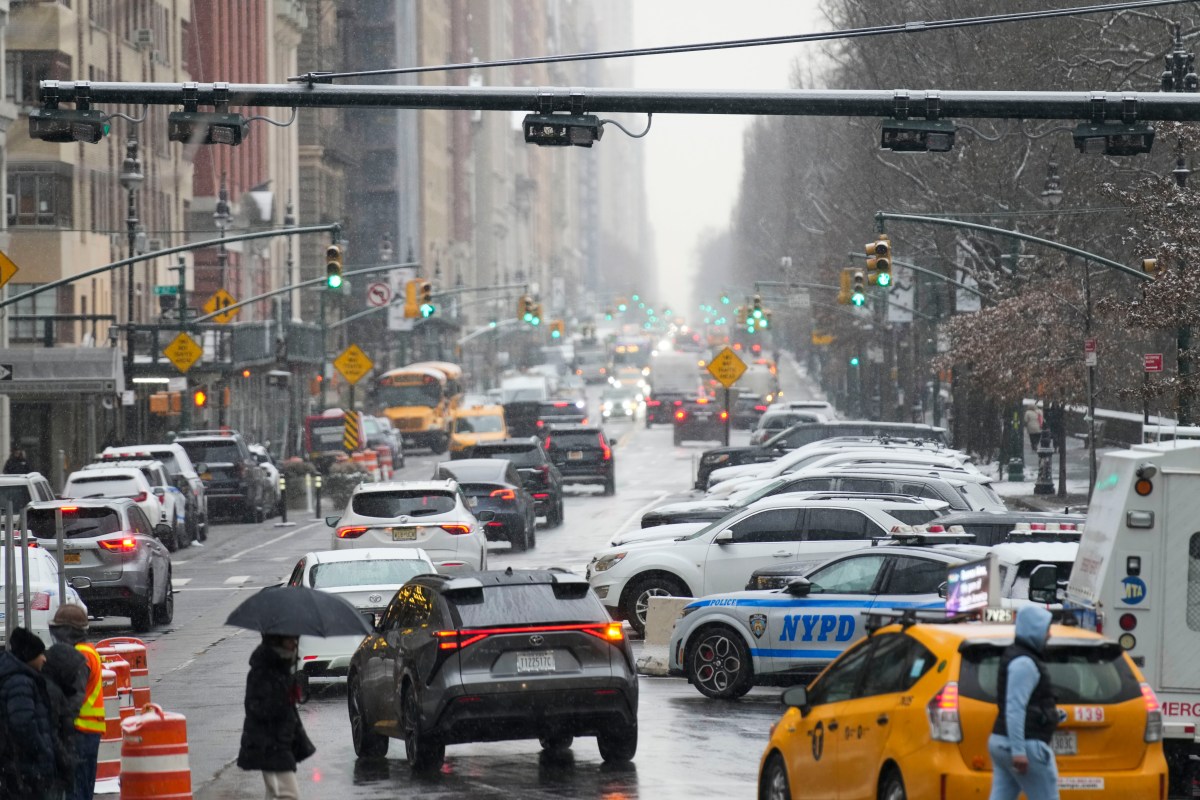
Congestion pricing is functioning as intended in New York, but some critics, including President Trump, still want to slam the brakes on the toll to drive into the busiest parts of Manhattan.
Researchers at Cornell University cited a 22 percent decrease in air pollution south of 60th Street during the first six months of the program, which has imposed a $9 fee for drivers since January. Declines of particulate matter were also reported across New York’s five boroughs and nearby suburbs as overall traffic dropped 11 percent from January through June.
“Our overall conclusion is that congestion pricing in New York City, like many other cities in the world that have implemented it, helped not only improve traffic, but also helped reduce air pollutant concentration, improve air quality and should be good for public health,” Oliver Gao, director of Cornell’s Center for Transportation, Environment and Community Health, said in a statement.
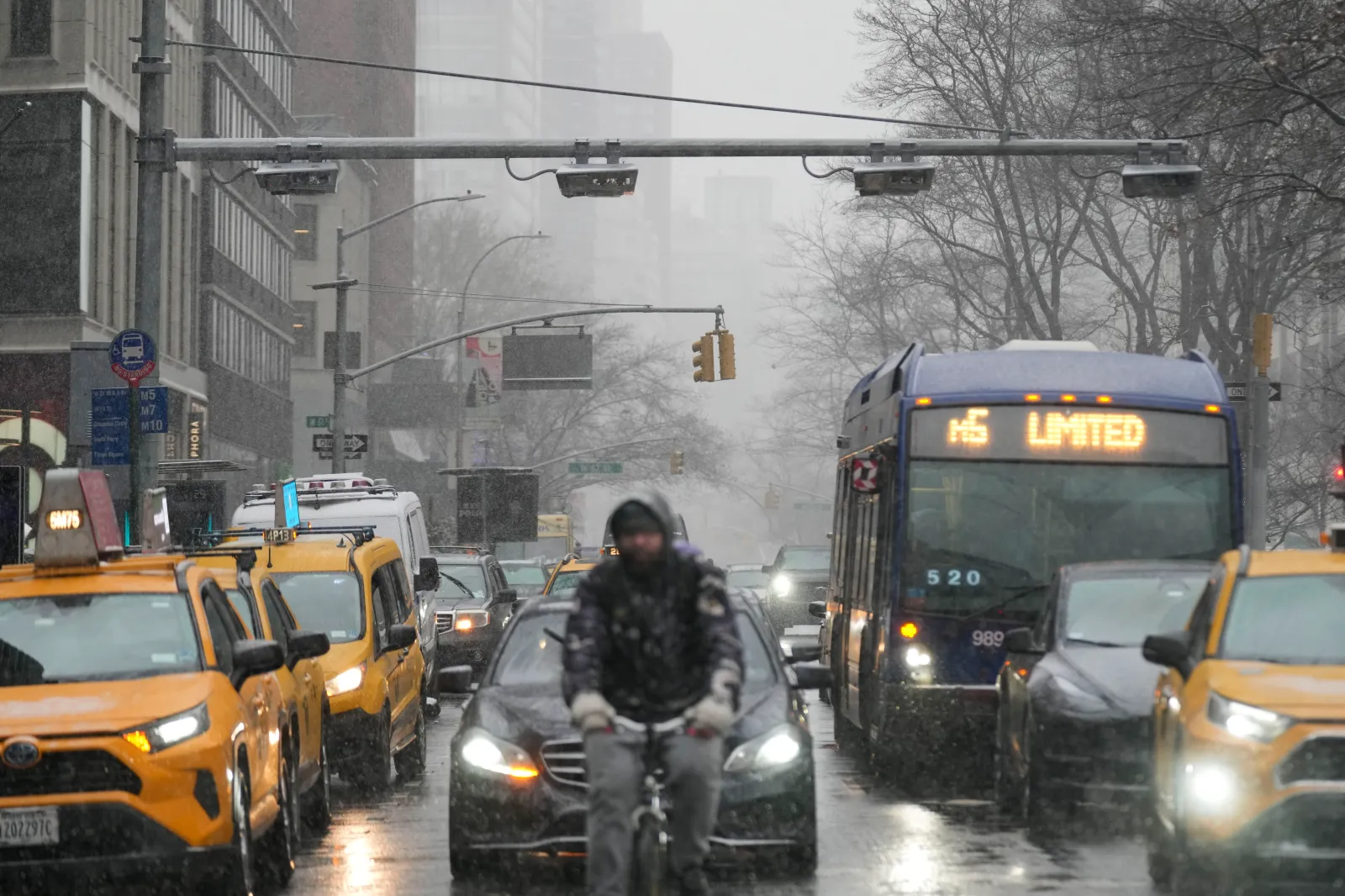
The plunge in pollution coincides with significant reductions in traffic delays, fewer crashes and noise complaints, researchers said, and toll revenue is projected to eclipse $500 million by the end of 2025. The Trump administration, meanwhile, has taken several steps to try to end the nation’s first congestion pricing program, initially pulling federal approval for the plan in February.
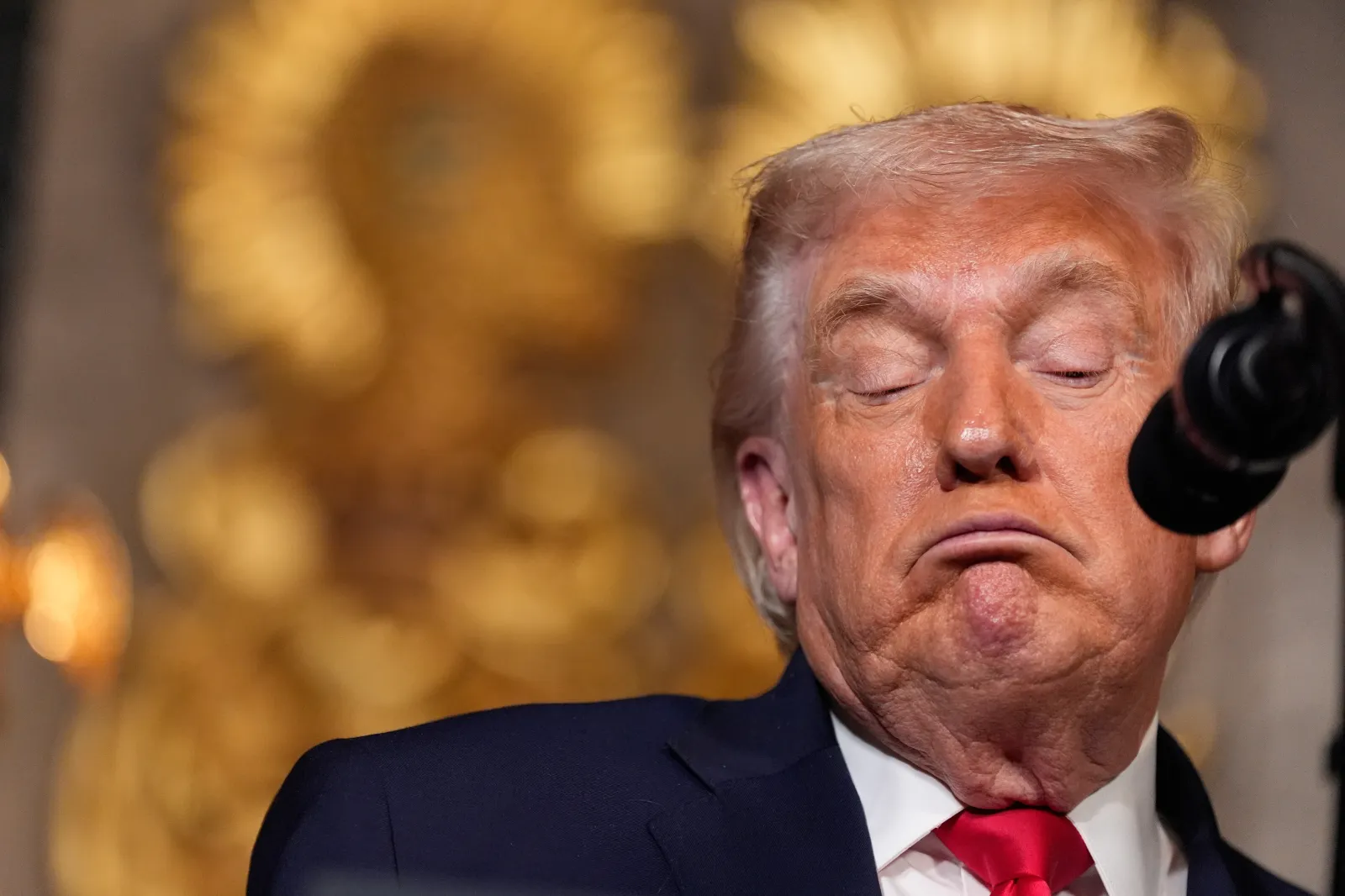
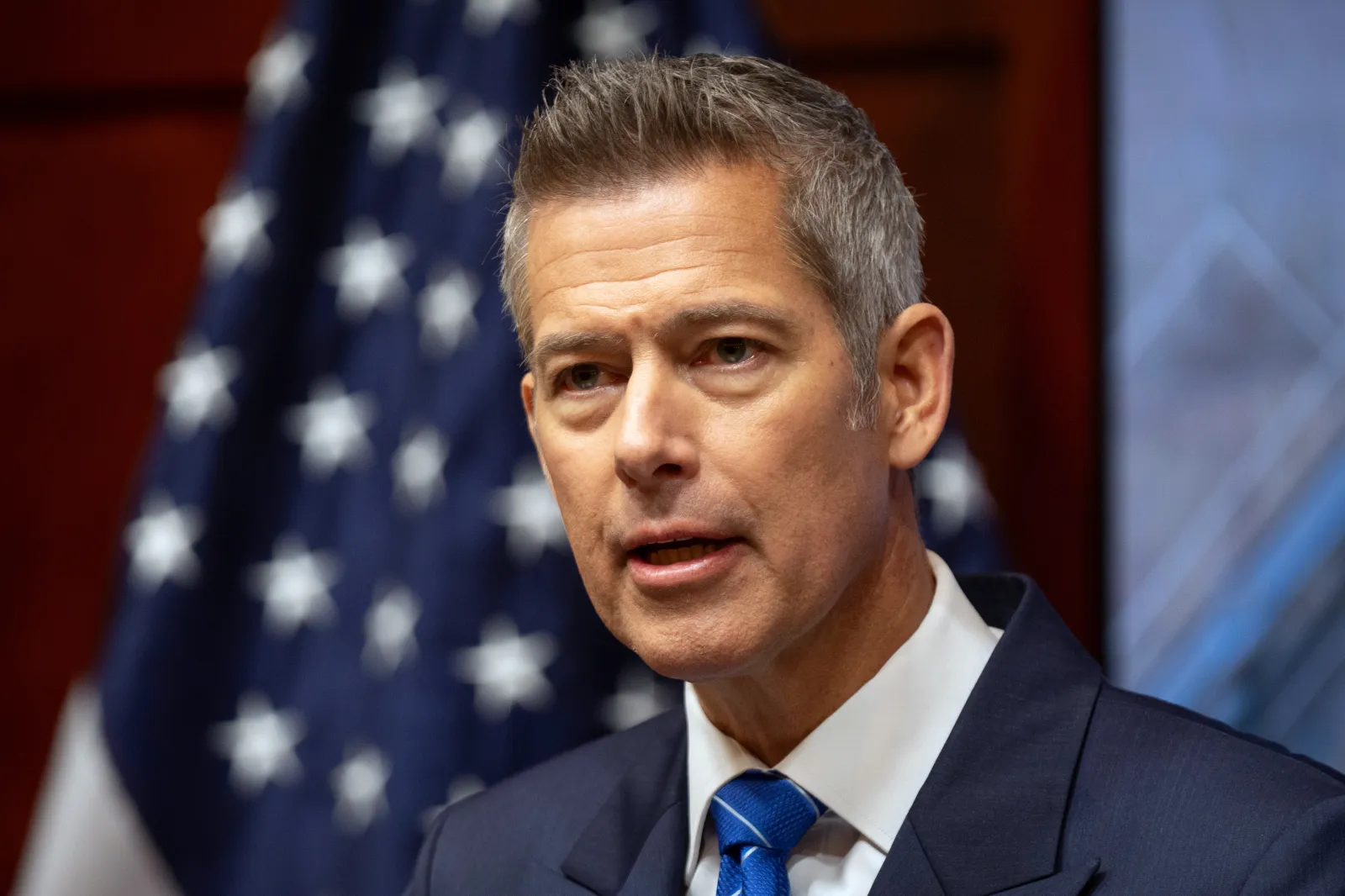
Trump recently renewed his push to end congestion pricing as federal litigation against the program continues, calling on Transportation Secretary Sean Duffy to “take a good, long look at terminating” the toll in a post on Truth Social in early November.
Duffy later asked a judge to issue a ruling as soon as possible as the Trump administration seeks to rescind an agreement signed under the Value Pricing Pilot Program that greenlit the toll prior to Trump retaking office this year, the New York Post reported.
Assistant Attorney General Brett Shumate “respectfully” asked Judge Lewis J. Liman to make a decision on summary judgment filings in the ongoing lawsuit to end congestion pricing in a letter filed on behalf of Duffy, the newspaper reported earlier this month.
The Metropolitan Transportation Authority has filed a lawsuit to try and block the Trump administration from ending the toll program, but Liman granted the transit agency a preliminary injunction in June, stopping any immediate changes to the program as the legal fight continues. The judge has promised a ruling by the end of the year, according to the Post.
Researchers at Cornell, meanwhile, said congestion pricing is clearly improving air quality in and around New York — with average declines of pollutants of 1.07 micrograms per cubic meter across the five boroughs and 0.70 micrograms per cubic meter in surrounding suburbs.
“It’s really exciting to me that air quality improved throughout the entire metro area,” said Timothy Fraser, an assistant teaching professor at Cornell Engineering. “This tells us that congestion pricing didn’t simply relocate air pollution to the suburbs by rerouting traffic. Instead, folks are likely choosing cleaner transportation options altogether, like riding public transportation or scheduling deliveries at night. This thins traffic and limits how smog compounds when many cars are on the road.”
Gao, the study’s senior author, expected to see a decrease in pollution, but said he was surprised by the size of the decline, which exceeded values from other cities that have implemented congestion pricing zones, including Stockholm, Sweden, which saw a 5 to 15 percent decline between 2006 and 2010, and London, where pollution fell 7 percent between 2019 and 2022.
“When I thought about that, it actually makes sense,” Gao said. “Just look at how many people live in New York City compared to London and Stockholm. As a result, you can see the impact of such a policy, the scope and scale, can be larger than what we observed in London and Stockholm.”
Gao’s team is now studying how congestion pricing impacts driver behavior and the use of mass transit throughout New York City. They’re also simulating the potential benefits in other cities, including Boston, Los Angeles and Chicago.
“Maybe in five years, those cities will catch up with their congestion pricing and cite our study,” he said. “This is how academic research can help inform the general public and, in turn, drive good policy.”
The MTA is expected to generate $548.3 million from the new toll through December, according to internal documents cited by Bloomberg.
The agency is also planning to sell congestion-pricing bonds for the first time next year and will issue $15 billion to help modernize train signals and extend the Second Avenue subway to Harlem, Bloomberg noted.
“I undoubtably see it as a success, in the reduction of traffic, the improvement of public safety and air quality and the funding of public transportation needs,” Sarah Kaufman, director of New York University’s Rudin Center for Transportation, told the outlet.