
NYC’s school bus system is failing students, especially those with disabilities, according to a new Comptroller audit citing 150,000 complaints and outdated technology.
In a recent audit and policy report, New York City Comptroller Brad Lander detailed deep and long-standing failures in the City’s school bus system and called on City Hall to overhaul a system marked by chronic delays, missed routes and weak oversight that disproportionately harms students with disabilities and children experiencing homelessness.
New York City Public Schools, the largest school system in the country, transports more than 145,000 public, charter and private school students each day at a cost approaching $2 billion annually. The Comptroller’s audit of the Department of Education’s Office of Pupil Transportation found widespread vendor underperformance and significant lapses in oversight.
During the 2023–24 school year, OPT logged more than 150,000 service complaints, including over 14,000 no-show pickups, yet lacked effective mechanisms to analyze failures, identify root causes, or hold bus companies accountable.
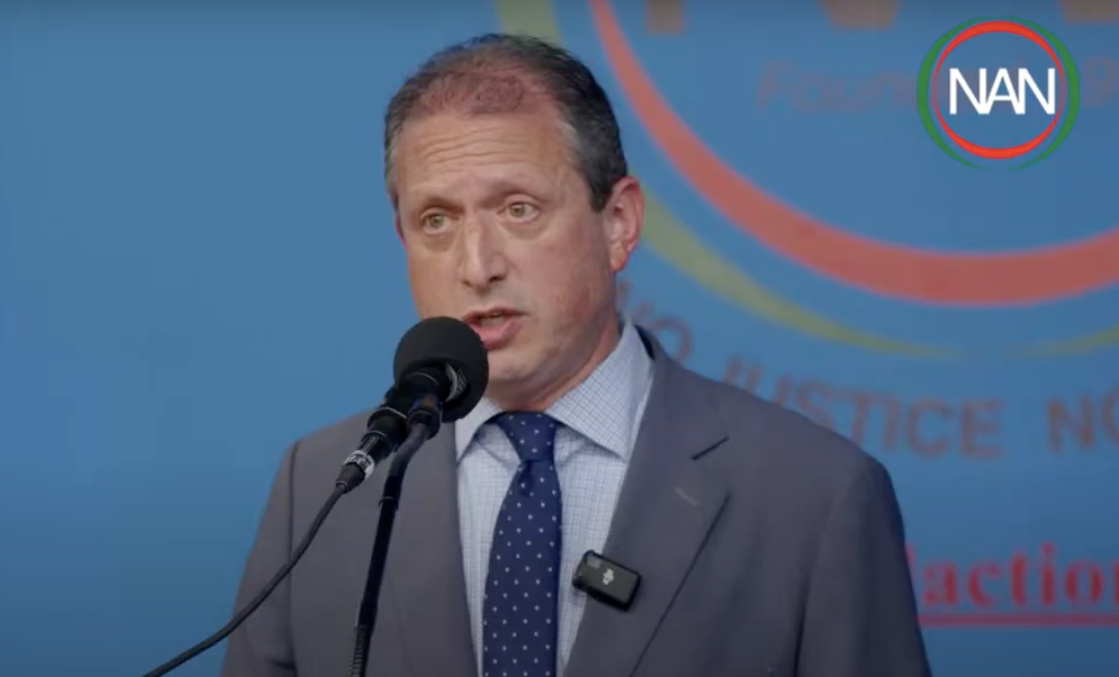
“For decades, our City’s school bus system has failed our students and families,” said New York City Comptroller Brad Lander.
The audit also found that the DOE failed to collect $42.6 million in penalties for GPS tracking violations in the 2024–25 school year and continues to rely on a routing system first built in 1994, using software that has not been supported since 2015. Nearly all identified “problem runs” involved students with disabilities, underscoring the system’s outsized impact on the most vulnerable riders.
Lander said the consequences of the broken system ripple across families and schools, with parents missing work, students missing class and meals, and children with disabilities left stranded. He noted that recent changes to long-standing bus contracts create a rare opportunity for meaningful reform after decades of dysfunction.
According to the audit, many service failures stem from contracts that are more than four decades old. In November 2025, the Panel for Educational Policy approved three-year contract extensions, breaking a long pattern of longer renewals with all contracts now set to expire on Jun. 30, 2028. The shortened timeline is intended to give the City leverage to pursue structural fixes.
Among the audit’s key findings:
More than 150,000 transportation complaints were filed during the 2023–24 school year.
$42.6 million in penalties for GPS log-in violations went uncollected in 2024–25.
OPT showed no evidence of systematically analyzing complaints to enforce contracts or improve service.
Ninety-nine percent of problem routes involved students with disabilities.
Required pre–school year dry runs were frequently skipped, with 19 vendors failing to comply ahead of the 2023–24 school year.
The DOE awarded Via Transportation $51.7 million to modernize transportation technology, but key routing and student badging systems are up to five years behind schedule.
To guide reform by 2028, the Comptroller’s policy report outlines three potential paths forward and calls for broad input from families, educators, advocates and students. Lander also recommends that City Hall appoint a School Bus Czar within the first month of 2026 to stabilize daily operations, assess family needs and system performance, coordinate the legal, fiscal, labor and legislative strategy for reform.
The report presents three possible models to address the crisis:
Under competitive procurement, the City would rebid all school bus contracts, contingent on state legislation to preserve existing labor protections. If proposed bills S1018/A8440 pass in 2026, the DOE could begin an 18-month reprocurement process, though risks include legislative uncertainty, continued fragmentation among dozens of vendors, unresolved routing and oversight issues.
Municipalization would create a City-run school transportation agency, similar to the MTA, consolidating all operations under public control. Supporters cite improved oversight, technology, and working conditions, while challenges include significant upfront costs, pension obligations and the operational risks associated with large public agencies.
The non-profit management option would expand NYCSBUS into a citywide operator, removing the profit motive and consolidating services under a governance structure focused on accountability and service quality. This approach would require absorbing pension and fleet costs and restructuring governance to ensure independence and effectiveness.
Public Advocate Jumaane Williams said the audit underscores the urgent need for stronger oversight of a system responsible for transporting tens of thousands of students each day and highlighted the three proposed pathways as viable options for an incoming administration.
Brooklyn Borough President Antonio Reynoso said families have witnessed repeated failures and a lack of accountability for years, arguing that true change will require comprehensive, systemwide reform, state action to protect workers, and a transparent, competitive procurement process that prioritizes safety and reliability.
Advocates for Children of New York emphasized that unreliable transportation disrupts students’ education while placing emotional and financial strain on families, urging immediate action to modernize the system before current contracts expire.
Parents to Improve School Transportation NYC said the audit confirms long-standing concerns from families and workers, pointing to an inefficient model that relies on dozens of private vendors and route structures that can harm students’ educational outcomes.
New York Appleseed and other advocacy groups noted that students with disabilities, children in foster care, and students in temporary housing are especially affected, calling the current moment a rare window for long-overdue reform as contracts near expiration and a new administration approaches.
“For parents like me, this report is no surprise. We see our school bus system fail our children all year, and we see our government fail to hold bad actors accountable time and time again. But accountability alone is not the path to real change for our students,” said Brooklyn Borough President Antonio Reynoso.
Disability rights organizations highlighted that roughly 43 percent of students who use school buses in New York City have at least one disability and delays often mean missed instructional time, mandated services, meals, access to afterschool and summer programs.
Student advocates, including District 75 students, said the audit validates years of lost instructional time and advocacy, expressing hope that the findings lead to real accountability and a transportation system that reliably serves every student.