

STATEN ISLAND, N.Y. — Community leaders are cautiously optimistic because Staten Island has experienced a dramatic decrease in fatal drug overdoses, signaling a possible turning point in an epidemic of deaths mostly linked to the opioid fentanyl.
However, deadly drug mashups continue to threaten the lives of borough residents, according to members of the Staten Island Fentanyl and Overdose Task Force. Founded in 2023 by District Attorney Michael E. McMahon and Borough President Vito Fossella, the task force is composed of community leaders dedicated to the prevention and treatment of substance use disorder and law enforcement initiatives that hold dealers accountable.
Here is a look at five key developments in the drug crisis on Staten Island:
Significant drop in OD deaths
Staten Island bested all the other boroughs with a 49% reduction in accidental deaths from overdoses last year, from 157 in 2023 to 81, according to the most recent statistics available from the city Department of Health and Mental Hygiene.
In addition to the work of the task force, the borough is leading the nation with the AI-based Hotspotting the Overdose Epidemic program, which garnered a 77% drop in fatal overdoses among active participants for the 12 months ending in April 2024.
The district attorney’s office was unable at this time to share year-end statistics for drug overdoses on the Island in 2025.
Preliminary estimates indicate that over 76,000 people died of overdoses nationwide in the 12 months ending in April of this year, a decline of nearly 25% from about 100,000 fatalities the previous year, according to the Centers for Disease Control and Prevention in Atlanta.
Unintentional overdose deaths fell 28% last year citywide, with decreases occurring in all five boroughs. Unintentional drug overdoses caused 2,192 deaths last year compared with 3,056 deaths in 2023, a decrease of 864 fatalities, the Health Department said.
However, overdose continues to be the leading cause of premature death citywide, claiming the lives of nearly 20,000 people since 2016, the Health Department said.
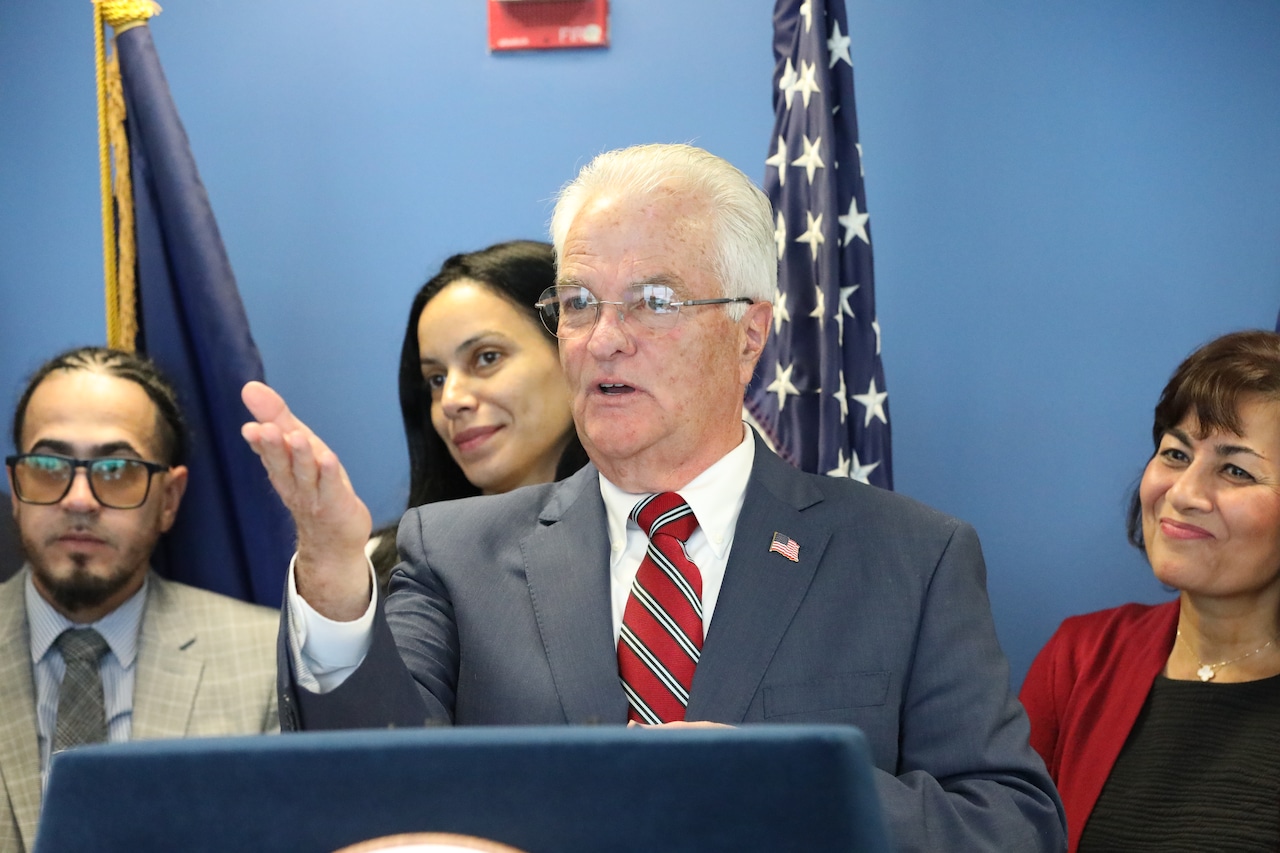 The Staten Island Fentanyl and Overdose Task Force reveals its legislative agenda during a news conference Wednesday hosted by District Attorney Michael E. McMahon at his office in St. George on Wednesday, Nov. 12, 2025. Here, McMahon speaks at the podium. (Advance/SILive.com | Jan Somma-Hammel)Feds squeeze fentanyl traffickers
Fentanyl, a synthetic opioid that is up to 50 times stronger than heroin and 100 times stronger than morphine, remains the leading cause of fatal overdoses in the borough and throughout the city. However, its dominance is waning both locally and nationwide as evidenced, in part, by declining rates of overdose deaths.
The U.S. Drug Enforcement Administration announced this month its launch of “Fentanyl Free America,” described as “a comprehensive enforcement initiative and public awareness campaign aimed at reducing both the supply and demand for fentanyl.”
The agency has increased its intelligence gathering and enforcement operations, “applying unprecedented pressure on the global fentanyl supply chain, forcing narco-terrorists, like the Sinaloa Cartel and CJNG Cartel, to change their business practices.”
Testing by the agency has revealed that 29% of fentanyl pills analyzed this fiscal year contained a potentially lethal dose, down a whopping 76% from 2023.
Purity of fentanyl powder also has dropped from about 19% to 10% during the same time frame, according to the agency.
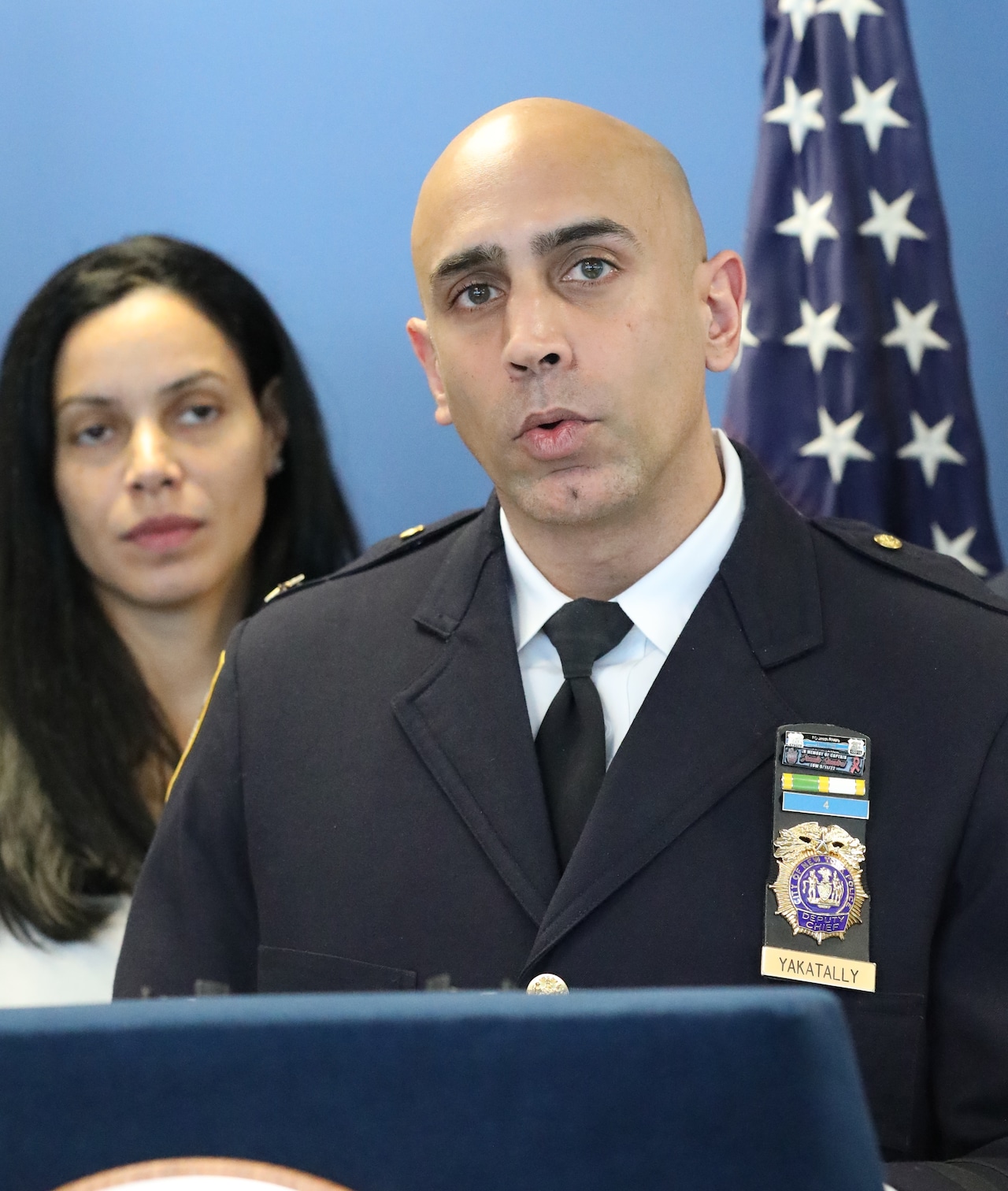 NYPD Deputy Chief Amir Yakatally of Patrol Borough Staten Island speaks at the Staten Island Fentanyl and Overdose Task Force news conference.(Advance/SILive.com | Jan Somma-Hammel)Drug mashups proliferate
A recent decrease in the amount of fentanyl flowing into the city has prompted a rise in the use of cocaine and heroin. Drug traffickers are combining fentanyl with other potentially deadly substances in order to maintain supply and potency, according to a report by the Staten Island Fentanyl and Overdose Task Force.
Polysubstance use, where multiple drugs are ingested, is becoming more prevalent. These drug mashups are more likely to trigger overdoses and complicate efforts by emergency responders to revive users.
The task force report states that fentanyl-cocaine combinations are increasing.
Some Staten Islanders who think they are using cocaine are ending up in the borough’s emergency rooms because that stimulant was laced with fentanyl, officials said.
Heroin, the veterinary sedative xylazine and microplastics are also being mixed with fentanyl. Seeping into the illegal drug pipeline are even more potent medications designed for animals, including the sedative medetomidine and the opioid carfentanil, according to the report.
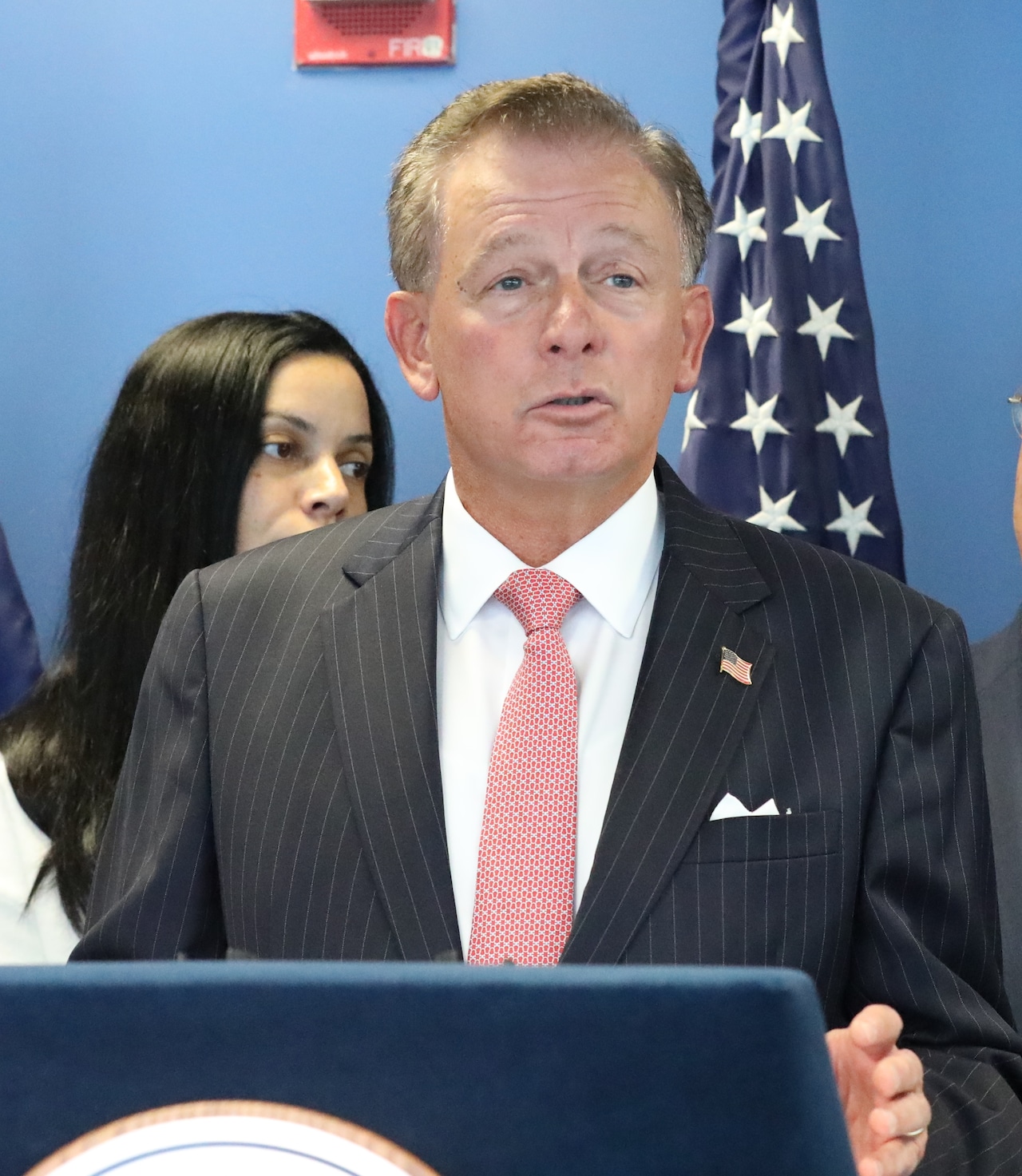 Dr. Joseph Conte, executive director of the Staten Island Performing Provider System, speaks at the Staten Island Fentanyl and Overdose Task Force news conference.(Advance/SILive.com | Jan Somma-Hammel)Opioid Settlement funds needed
The Staten Island task force is urging Gov. Kathy Hochul and New York state legislators to provide more funding in the new year for prevention and treatment of drug addiction in the borough.
At the top of the task force’s list is ensuring that Staten Island receives its fair share of the state’s Opioid Settlement Funds. The money was provided by pharmaceutical companies, pharmacies and related entities to resolve lawsuits over their roles in the opioid epidemic. People who became addicted to pain pills often turned to street drugs when their prescriptions ran out.
A central point of frustration for the task force is the vast amount of unallocated state money intended to combat the opioid crisis. The report highlights that $500 million from the state’s Opioid Settlement Fund remains unallocated.
The task force identified a critical flaw in the state’s funding allocation process: a complete lack of local input. The report notes there are no Staten Islanders on the advisory board that determines how the state’s Opioid Settlement Funds are distributed.
Concern over kratom
The task force is calling for a statewide ban on the sale of kratom, a legal but dangerous substance that critics say is being marketed to children and sold in gas stations.
Kratom, an opioid-like substance, could become the next major gateway drug that sets children on the path to addiction, according to the task force.