
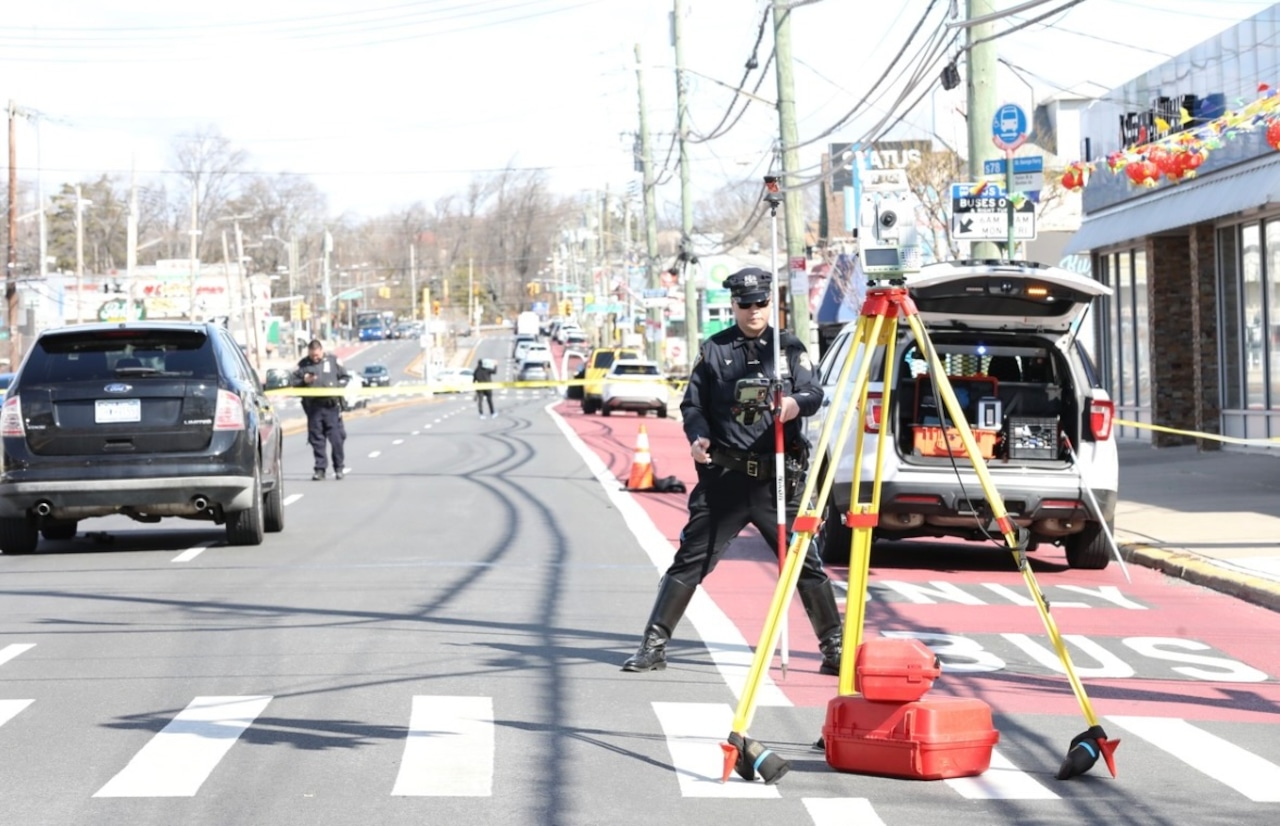
STATEN ISLAND, N.Y. — Families are left shattered — parents without children, children without parents and partners without one another.
While New York City ended 2025 with the fewest traffic deaths since records began in 1910, Staten Island was an exception, seeing a rise in fatal crashes, according to New York City Department of Transportation data. The borough recorded 13 traffic deaths in 2025, up from 12 in 2024.
Among them was 80-year-old Chaosheng Wu, who was struck and killed in Dongan Hills in March. Two months later, 58-year-old Jose Luis Gomez-Guallazaca, of the Bronx, lost his life after being struck by an e-scooter while crossing a street in Concord.
Summer brought more loss. On the Fourth of July weekend, 16-year-old electric scooter rider Nacere Ellis died in Westerleigh, and 34-year-old motorcyclist Jeremy Claudio died in Clifton.
In October, Staten Island experienced a particularly devastating series of crashes. A 66-year-old woman, Meiyun Chen, was fatally struck by an SUV in Richmond Valley.
Shortly after, a crash on the Staten Island Expressway claimed the lives of 25-year-old Raymond Irizarry Jr. and brothers Joshua Mendez, 26, and Jose Pazos, 27.
Around the same time, 68-year-old Felipe Calyeca Moranchel was struck in West Brighton and 60-year-old Robert Farina died in Greenridge.
2026 began tragically with the deaths of 6-year-old Anheli Vasquez-Trinidad and 90-year-old Gerardo Avila, who died days after a New Year’s weekend crash in New Springville.
These fatalities follow a series of high-profile incidents in 2024 and early 2025 that renewed public attention to traffic safety in the borough. Advocates say such losses are a stark reminder of the stakes as city officials continue to implement countermeasures.
City officials point to Vision Zero, launched in 2014, as the foundation for efforts to address traffic violence. The initiative seeks to eliminate all traffic fatalities and severe injuries by treating crashes as preventable rather than inevitable.
Under Vision Zero, the city has expanded 24/7 speed camera enforcement, added hundreds of miles of bike lanes and protected bike lanes, provided traffic safety education to school-aged children and strengthened driver training and vehicle safety standards.
Despite these measures, Staten Island’s road-related fatalities present ongoing challenges unique to the borough, including wide roadways, higher vehicle speeds and limited pedestrian infrastructure in many neighborhoods.
Transportation officials say no level of traffic death is acceptable — a principle that continues to guide city policy as families across Staten Island mourn lives lost on local streets.