
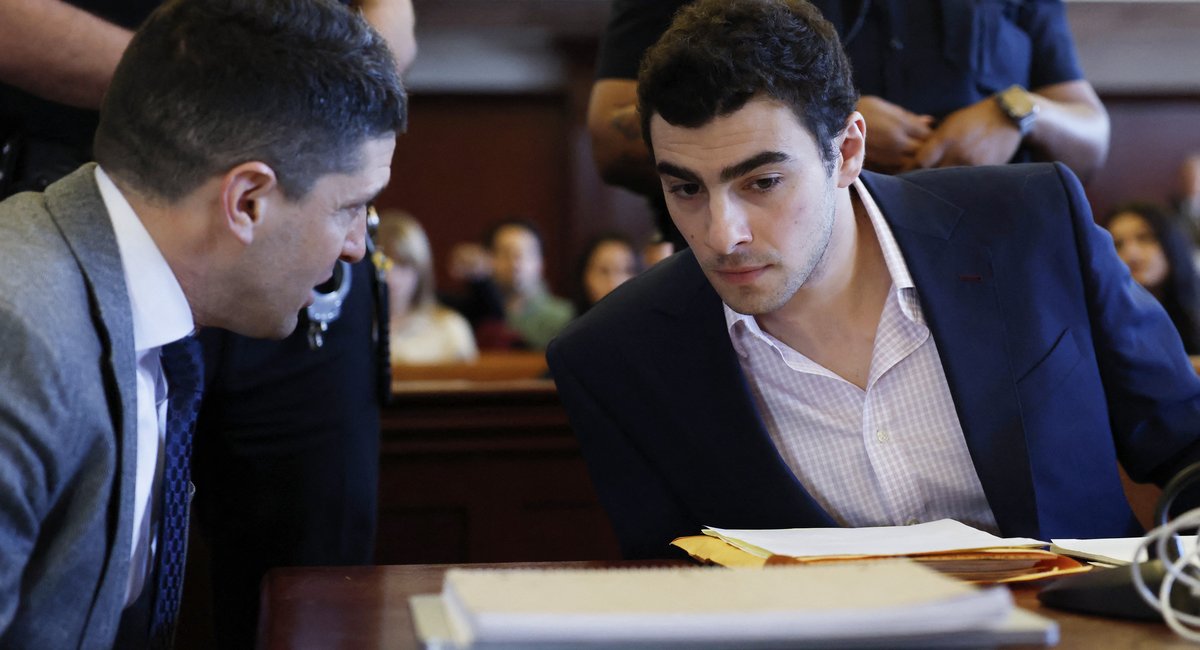
Luigi Mangione is due in federal court Friday morning for a hearing that could determine whether he continues to face the death penalty if he’s convicted of killing UnitedHealthcare CEO Brian Thompson.
Mangione, 27, has pleaded not guilty to federal charges of stalking, murder through use of a firearm and another firearms offense. Federal prosecutors have pledged to seek the death penalty against Mangione if he is found guilty of the murder charge.
On Friday, Mangione’s attorneys are expected to argue that the most serious charges against their client should be thrown out because federal prosecutors are relying on flawed legal arguments, according to court papers. Prosecutors are expected to argue that the indictment against him is legally sound and that the case should move forward as is.
Mangione, an Ivy League graduate from the Baltimore suburbs, has become a divisive and high-profile figure since his arrest. President Donald Trump and members of his administration have condemned Thompson’s killing, including his press secretary, who referred to the late CEO’s alleged killer as a “left-wing assassin” at a press conference last year. Meanwhile, throngs of supporters have praised Mangione online and flocked to his court appearances, with some using the shooting as an opportunity to call for reforms to the country’s health insurance system.
U.S. District Judge Margaret Garnett will decide whether to uphold or dismiss the federal murder and firearm charges against Mangione. Defense attorneys have also asked her to hold an evidentiary hearing regarding items that police found while searching his belongings when he was arrested in Altoona, Pennsylvania. They made similar arguments last month during a dayslong pre-trial hearing in Manhattan state court, where Mangione has pleaded not guilty to state murder and firearms charges.
The lawyers have argued in court papers that the evidence — including a notebook, a hand-drawn map and a bus ticket — should not be used at trial, because they say police broke procedures and violated Mangione’s constitutional rights. Prosecutors have denied those claims.
The judge overseeing Mangione’s state case is expected to decide in May whether to allow the evidence from Mangione’s backpack to be used at his state trial.