
Expanding dairy processing, improving climate-resilient farming practices, increasing food access and overcoming challenges remain top priorities for the state, agriculture leaders said Thursday.
“Supply chain disruptions, ongoing tariff changes, immigration actions, the impacts of the longest-ever federal shutdown and cuts to important programs are all adding to this uneasiness we are all feeling,” said state Commissioner of Agriculture Richard Ball during the annual State of Agriculture address.
Despite these challenges, Ball said the agriculture industry in New York can adapt.
“Agriculture is very strong, I’m actually very excited about our future and the possibilities. New York is such a unique state,” Ball said during an interview. “Many states specialized in certain kinds of crops, think corn and soybeans, but in New York, we rank 10th nationally in over 30 different crops.”
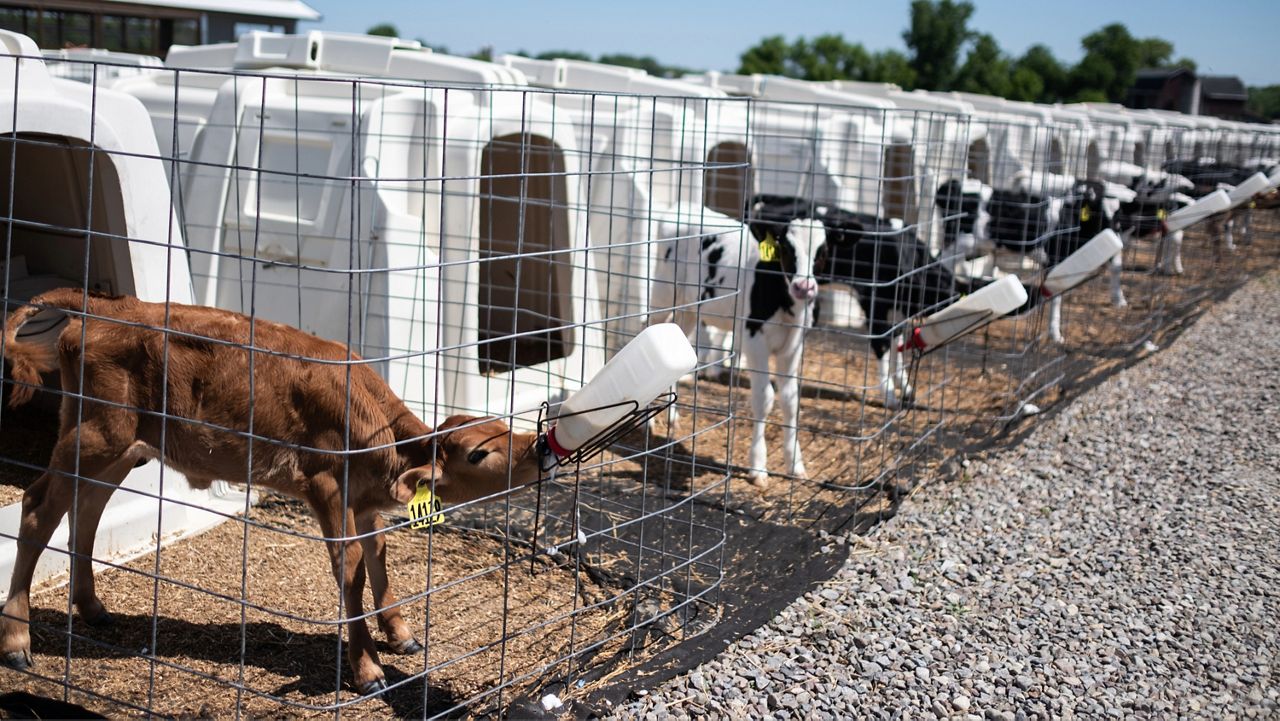
With dairy ranking as the state’s number one agricultural commodity, there have been multiple investments into dairy processing in the last few years.
“There are nearly 300 world-recognized dairy processing plants across New York. There is no question we are good at dairy,” Ball said.
In April, Chobani announced they will build a $1 billion facility in Rome, Cayuga Milk Ingredients announced an expansion in Auburn, and Fairlife is constructing a facility in Webster.
“These facilities represent millions of dollars in investment, will add hundreds of jobs to their communities and importantly, will be using a tremendous amount of New York milk,” Ball said.
With the expansion, Ball points to the dairy modernization grant that allocated $34 million to help farms expand milk storage capacity and update their infrastructure to support more milk production. The U.S. Department of Agriculture predicts lower milk prices in 2026, but Ball said these investments will benefit New York’s dairy farmers.
“We always watch the price of dairy very closely. It’ll take some dips through the seasons. It’ll take some dips when national and international events occur but long-term, I think our view for dairy is very, very positive,” he said.
Food access
“Another big priority for us as we shore up the food system is making sure that all New Yorkers can access fresh, local products from our farmers,” Ball said.
Since 2020, New York has allocated $500 million to increase access to local food and provide new markets for farmers to sell their products, Ball said.
“And that’s before we added some emergency programs in recent weeks to respond to SNAP cuts and the impacts of the federal shutdown, helping families access more food during the holiday season,” he said.
Ball highlighted the Farm-to-School program, and the 30% New York State Initiative that allows farmers to sell their products into state-run facilities such as schools, prisons and nursing homes. Since 2021, more than $66 million has been allocated for locally produced foods to be put into New York schools.
Climate-resilient farming
“As we’re on the front lines of experiencing the more frequent, extreme weather patterns we’ve been seeing, I’m proud that agriculture is and has been at the table of this important conversation,” Ball said.
Last year, a record $25 million was given to farms to fund conservation measures like cover crops, nutrient management, manure storage and other practices that protect the water system. Van Patten Farms in Cortland County was a recipient of one grant through this program.
“The grant that we got is amazing for us. It’s going to be used on a 1.4-million-gallon manure pit,” said Lynn Van Patten, one of the co-owners of the farm during the announcement in September.
An additional $26 million was awarded through the Climate Resilient Farming Grant program, and Ball highlighted the soil and water conservation districts that work with farmers to complete and implement these projects.
“There are real economic benefits to our farmers who complete these projects, yes, but our farmers are also doing this work because they care for the land, our water and our natural resources,” Ball said.