
Queens is the world’s borough. Guinness World Records crowned New York’s largest borough, on the western end of Long Island, the most ethnically diverse urban area on the planet and at least 138 languages are spoken here. It seems as if just as many cuisines are represented too, by the immigrant entrepreneurs who brought their generational recipes from their native lands.
The borough also had an important role in New York’s shipping industry in the first half of the 20th century, and many of those vestiges remain. So, this itinerary features not just the best of each culture but also some of the city’s oldest buildings. All stops along the way are easily accessible by subway or bus. If you’re starting out in midtown, go east, past the East River and on to Long Island and you’ll end up in western Queens.
48 hours in Queens — at a glanceDay 1
Morning Gantry Plaza State Park
Lunch Beija Flor
Afternoon Parrot Coffee
Drink at Ruta Oaxaca
Evening Museum of the Moving Image
Dinner Sabry’sDay 2
Morning Food trucks at Jackson Heights
Lunch Urubamba
Afternoon Bowne House
Drink at Yedang
Evening Flushing Meadows Corona Park
Dinner Alley 41What to see and doGantry Plaza State Park
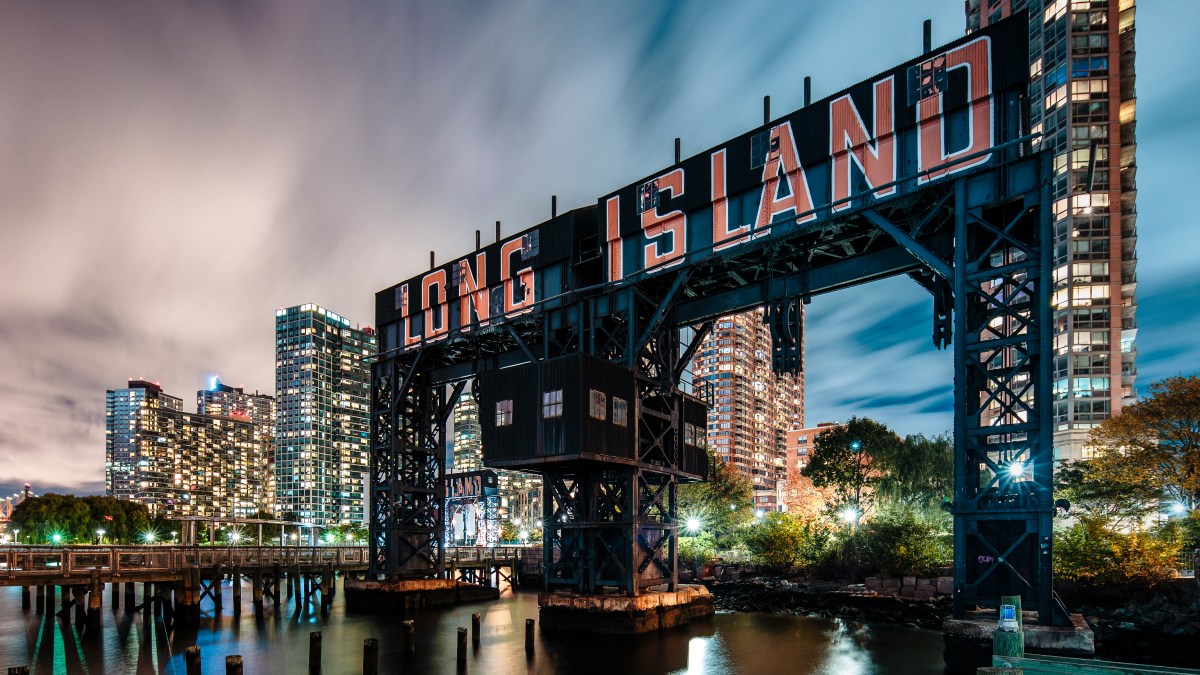
Stroll along the shimmery East River between two glittery skylines (Manhattan and Queens) in this park in Long Island City, one of the westernmost neighbourhoods in Queens. The new high-rises are set against the original shipping gantries and Pepsi-Cola sign, hallmarks of the area’s industrial era of the early to mid-20th century (free; parks.ny.gov).
Parrot Coffee
Travel through the Mediterranean and eastern Europe at Parrot Coffee, a grocery shop in the Astoria neighbourhood. Pick from coffee beans in burlap sacks, olives at the bar, and blocks of chilled cheeses from Albania, Bulgaria and more. Not to mention the shelves packed with honey, jams, cookies, pastas, olive oil, and beers (parrotcoffee.com).
Museum of the Moving Image
Discover the process of producing film, TV and digital media at the Museum of the Moving Image
PETER AARON
This area of western Queens, including the Astoria, Long Island City and Sunnyside neighbourhoods, is home to several film studios, so it makes sense that it hosts the Museum of the Moving Image, a fantastic exhibition of the history, technology and process of producing film, TV and digital media. Make an animated flip book that you can bring home as a souvenir (£15, free on Thursdays; movingimage.org).
Food trucks at Jackson Heights
Asia and Latin America come together in Jackson Heights, where the mix of immigrants from Nepal, India, Bangladesh, Mexico, Ecuador, Bhutan and Colombia gives rise to an only-in-Queens panoply of languages and cuisines. Stroll among taco carts, momo trucks, samosa shops and empanada spots. Sample one or all — and bring cash. If you get off at the 74th Street/Roosevelt Avenue subway stop, walk in any direction — 74th Street, Roosevelt Avenue, 37th Avenue — and you will see the streets lined with food trucks.
Flushing Meadows Corona Park
The Arthur Ashe tennis stadium is within the park grounds
STU GRAY/ALAMY
Inside the park, at the northern edge of Meadow Lake, rent a quadricycle and pedal around trees, football games and historic structures from the 1964 World’s Fair at the sprawling Flushing Meadows Corona Park. Snap shots by the Unisphere, a 350-tonne, 140ft globe that’s emblematic of Queens. The park grounds also include the Hall of Science, the Citi Field baseball ground and the Arthur Ashe tennis stadium (bike hire from £10 an hour; wheelfunrentals.com).
Bowne House
One of the oldest homes in NYC, Bowne House was built in 1661 by John Bowne, a Quaker English settler and champion of religious freedom amid persecution. In later centuries the house became a stop along the Underground Railroad, a secret network of free black people, abolitionists and allies aiding enslaved African-American freedom-seekers. Schedule a tour during the museum’s regular Wednesday hours or check for special tours of other historic houses in Flushing (£8; bownehouse.org).
• 28 of the best things to do in New York
Where to eat and drinkBeija Flor
This corner restaurant doles out Brazilian classics and has rustic decor with wisteria streaming from the ceiling. The picanha steak is charred and tender. The moqueca de peixe (fish stew) is delightfully coconutty. And the pao de queijo (cheese bread) is warm and chewy (lunch specials from £12; beijaflor.nyc).
Ruta Oaxaca
A bold variety of high-end tequilas and mezcals flow into fun tasting flights and perfect cocktail concoctions at this charming Mexican restaurant. Sit at the bar to witness the magic of muddled serrano peppers, house-made tamarind purees and grilled pineapples (cocktails from £12; rutaoaxacamex.com).
Sabry’s
Little Egypt, in Astoria, a little more than a mile north of the Museum of the Moving Image, has become a destination for some of the city’s best Arab food, spanning cuisines of Yemen, Morocco and Lebanon. And the Egyptian seafood spot Sabry’s helps to uphold that lofty reputation. Its bounty includes pan-seared scallops, fried anchovies, shrimp tagine, butterflied branzino — all spiced boldly and served with fluffy flatbread hot from the oven (mains from £15; sabrys-seafood.com).
Urubamba
This family-owned restaurant is the paragon of traditional Peruvian food. Since 1976 a honed menu has gone beyond the better-known ceviche. Standouts are grilled and tender baby octopus, tangy with aji panca (a deep-red chilli); the goat stew; grilled tripe; tallarin verde, a type of Peruvian spaghetti; or pesto pasta (mains from £14; urubambany.com).

It’s easy to find somewhere great to eat in Downtown Flushing
ALAMY
Yedang
It’s a temple of ancient Korean teas and tteok (rice cakes) made by a Buddhist grandmother who studied the labour-intensive craft in Korea and now makes these handmade-from-scratch sweet treats in NYC. The tteok is soft and chewy — try the one stuffed with honey and sesame. Sweet and earthy drinks are infused with jujube, burdock and green plum (drinks from £7; yedangusa.com).
Alley 41
Downtown Flushing, also known as Chinatown, is home to a huge spectrum of Chinese-American residents with discerning tastes. There is such stiff competition between restaurants from which numerous fantastic dishes of all price points and regions have emerged. Stroll through the exhaustive options, including the food court at the New World Mall. For a relaxed sit-down dinner, eat at Alley 41. It’s a modern Chinese restaurant that specialises in impeccable shareable plates of Sichuan food. Stir-fried beef gains a smoky sheen from the wok, and garlicky string beans deliver a delightful crunch (mains from £13; alley41.com).

Dumplings are prepared at the New World Mall
ALAMY
• Read our full travel guide to New York City
This article contains affiliate links that will earn us revenue
Where to stayFeather Factory Hotel
A Long Island City hotel that doesn’t try to be more than it is: simple, budget-friendly accommodation. It’s more than a half-mile away from two subway stops but it’s close to the railyards, so light sleepers should bring ear plugs. Breakfast is available and there’s an all-night convenience shop in the lobby (room-only doubles from £111; featherfactoryhotelqueensny.us).
Boro Hotel
This industrial-chic, newish boutique hotel embodies Long Island City. Bask in dazzling views of Manhattan and beyond through the floor-to-ceiling windows and from the rooftop patio. The beers on tap are sourced from local breweries, and Beebe’s on the ground floor churns out fantastic old-school, thin-crust pizza pies (room-only doubles from £120; borohotel.com).
Renaissance New York Flushing Hotel at Tangram
The stylish rooftop terrace of Renaissance New York Flushing Hotel at Tangram
You could easily spend a day indoors at this luxury hotel inside Tangram, a huge shopping centre. The hotel has a pool, sauna and terrace, and rooms have a sleek, industrial vibe — lots of white and grey with black metal bars for shelves and pops of red from the cushions and minibar. Visit the mall itself for nonstop entertainment including a cinema, arcade, cat café, and lots of food options, from full-blown restaurants to the neon-lit food court (room-only doubles from £190; marriott.com).
• 38 of the best hotels in New York City
Getting there and around
John F Kennedy International Airport (JFK), in Jamaica, southeast Queens, is the main hub for travel to and from NYC, and a taxi is the fastest and easiest way to reach the hotels recommended. The extensive subway and bus networks run 24/7, but service delays and pauses may hit during late-night hours. Each fare (about £2) can be paid with the OMNY card. Buy one from the vending machines at any subway station. The yellow taxis are less common in Queens so use Uber or Lyft.
Visit responsibly
Queens offers a super opportunity to shop local. Not only does it support struggling small businesses, but many such stores are havens for their cultural communities.
Caroline Shin is a food journalist who grew up in Queens and still lives there